Fit to Serve
Redesigning the military uniform around the women who wear it.
- Fashion design
- Ergonomics
- Gender
- Military
- Role
- Designer & organizer
- Works
- Uniform prototype + Unspoken Valor
- Shown at
- DMZ Military Surplus Store, Itaewon, Seoul
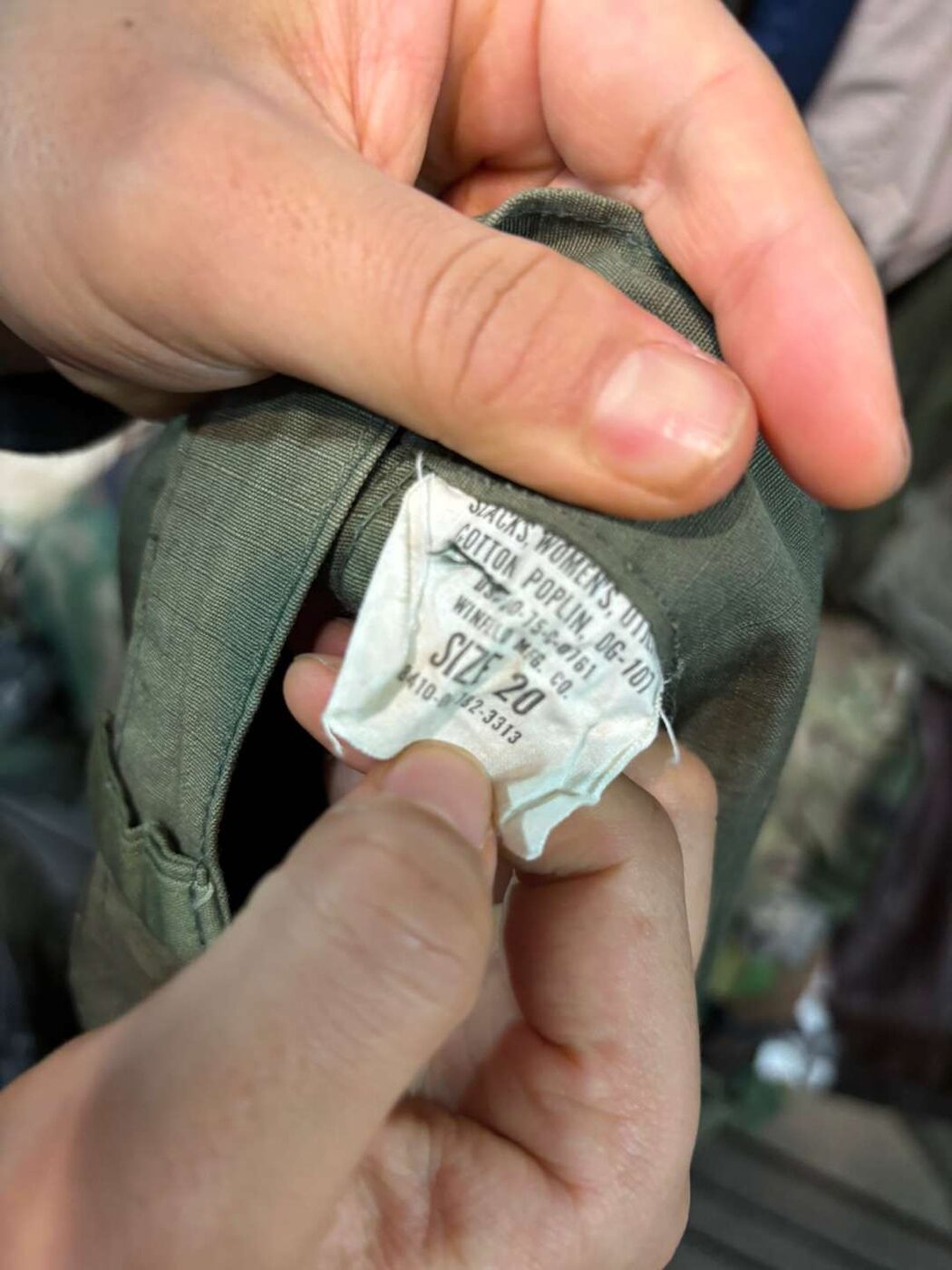
Standard military uniforms were designed around a male body. Women have worn them anyway, adjusting, making do and putting up with the discomfort. Fit to Serve starts over, with women’s bodies, movements and needs as the baseline instead of an afterthought. It is a design project, and it is also an argument: being included in the design means being recognized as someone worth designing for.
01Background
Where it started
I came to this through bioengineering and a belief that science can improve people’s lives. But science solves what it can measure. Suffering without a language, and people whose lives fall outside the data, are too often left at the edges of the systems meant to serve them. Prosthetic limbs came from engineers designing for people those systems overlooked, and art has long made the unheard audible. Fit to Serve sits where the two meet.
The problem
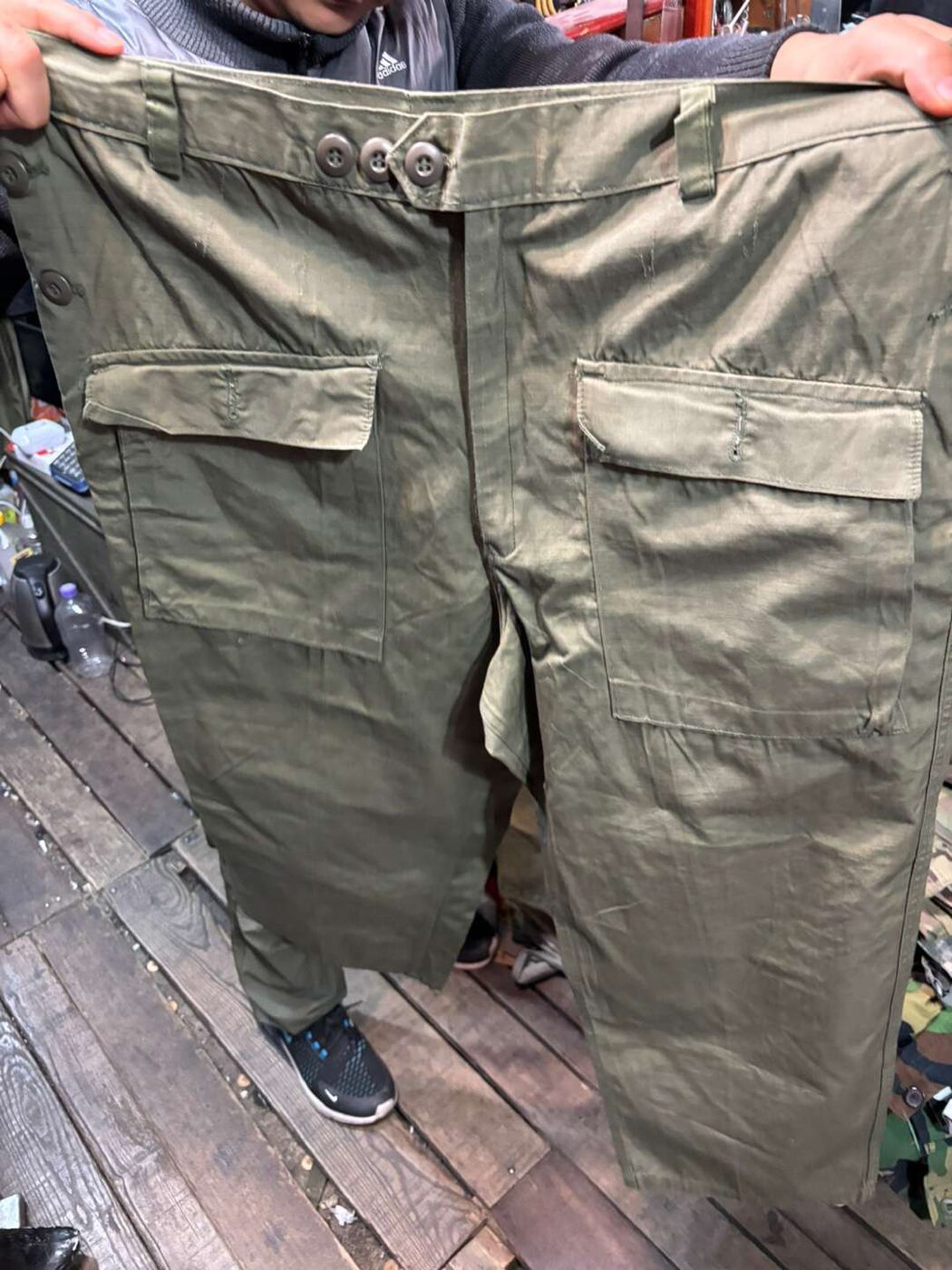
Talking with women veterans, I learned that uniforms cut for men caused problems ranging from small daily discomforts to real limits on how they could move and work. Each seemed minor alone; together they affected mobility, comfort and performance.
If a uniform could be designed around women’s bodies at roughly the same cost, why should women keep adapting themselves to clothing that was never made for them?
02The redesign
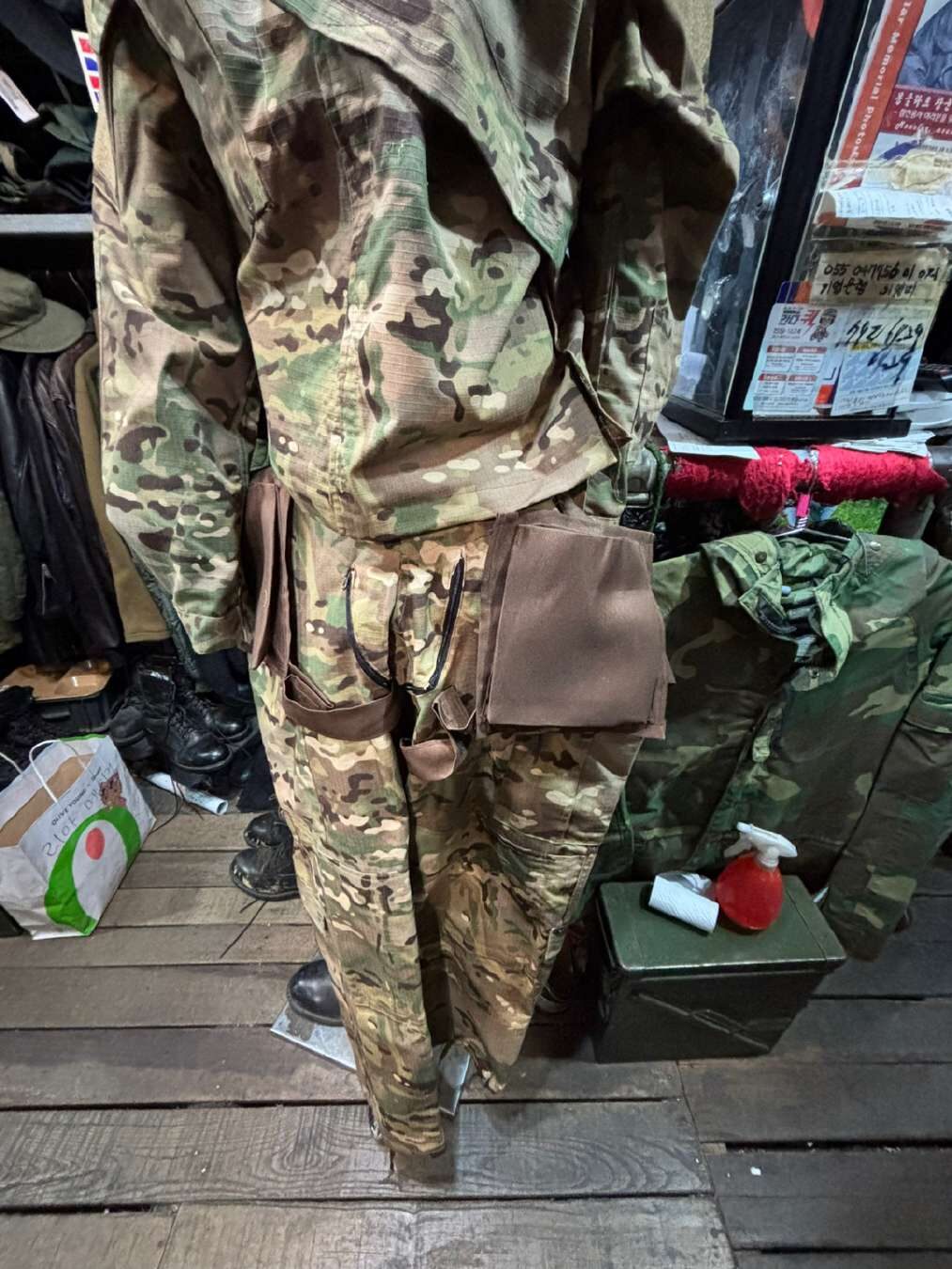
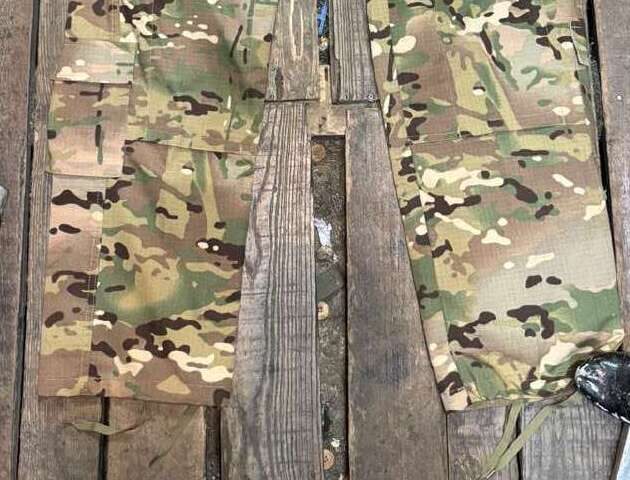
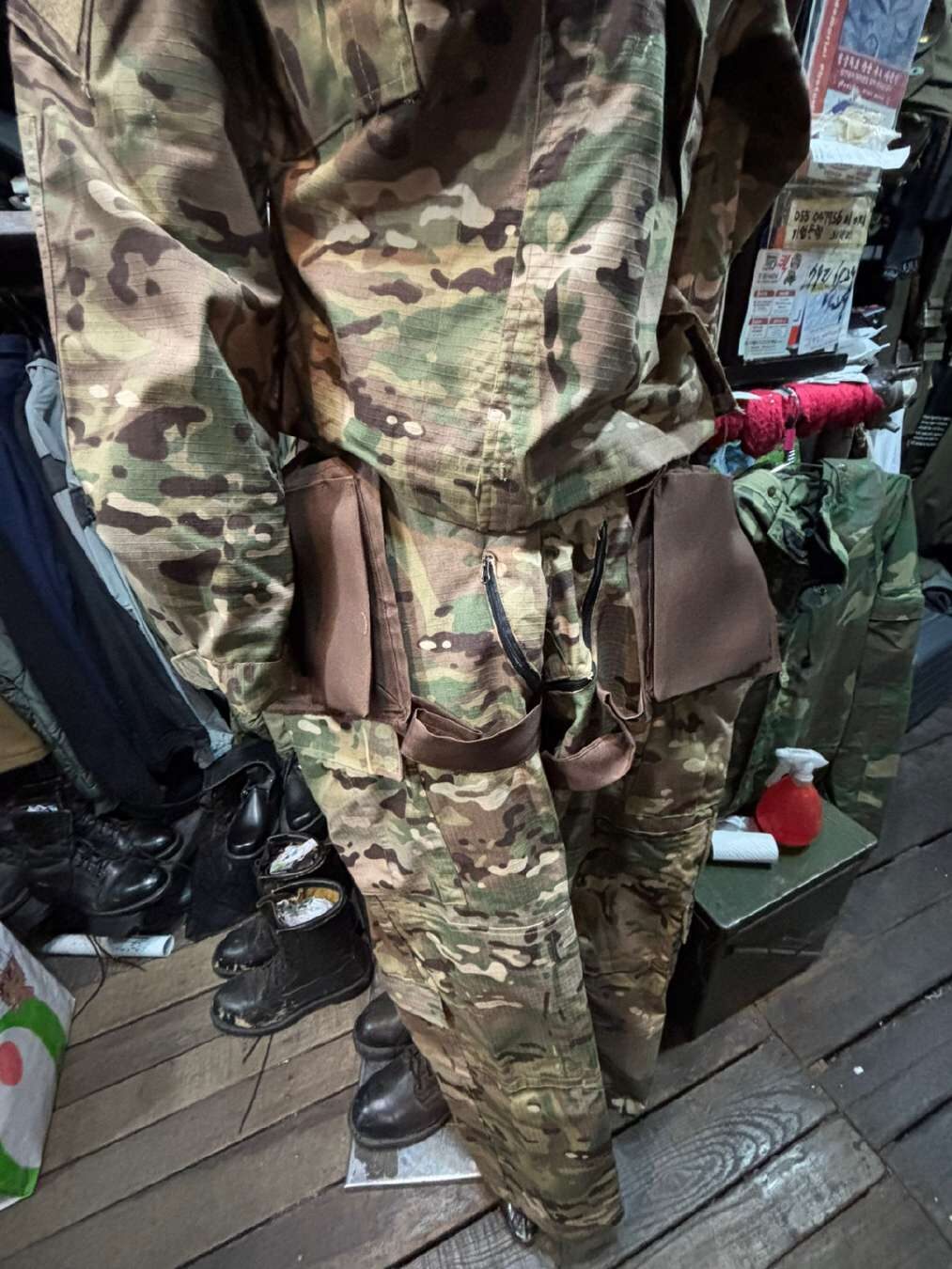
Seven modifications, each answering a specific problem the veterans described.
 01
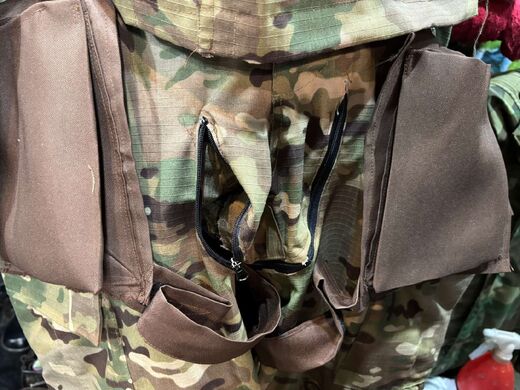
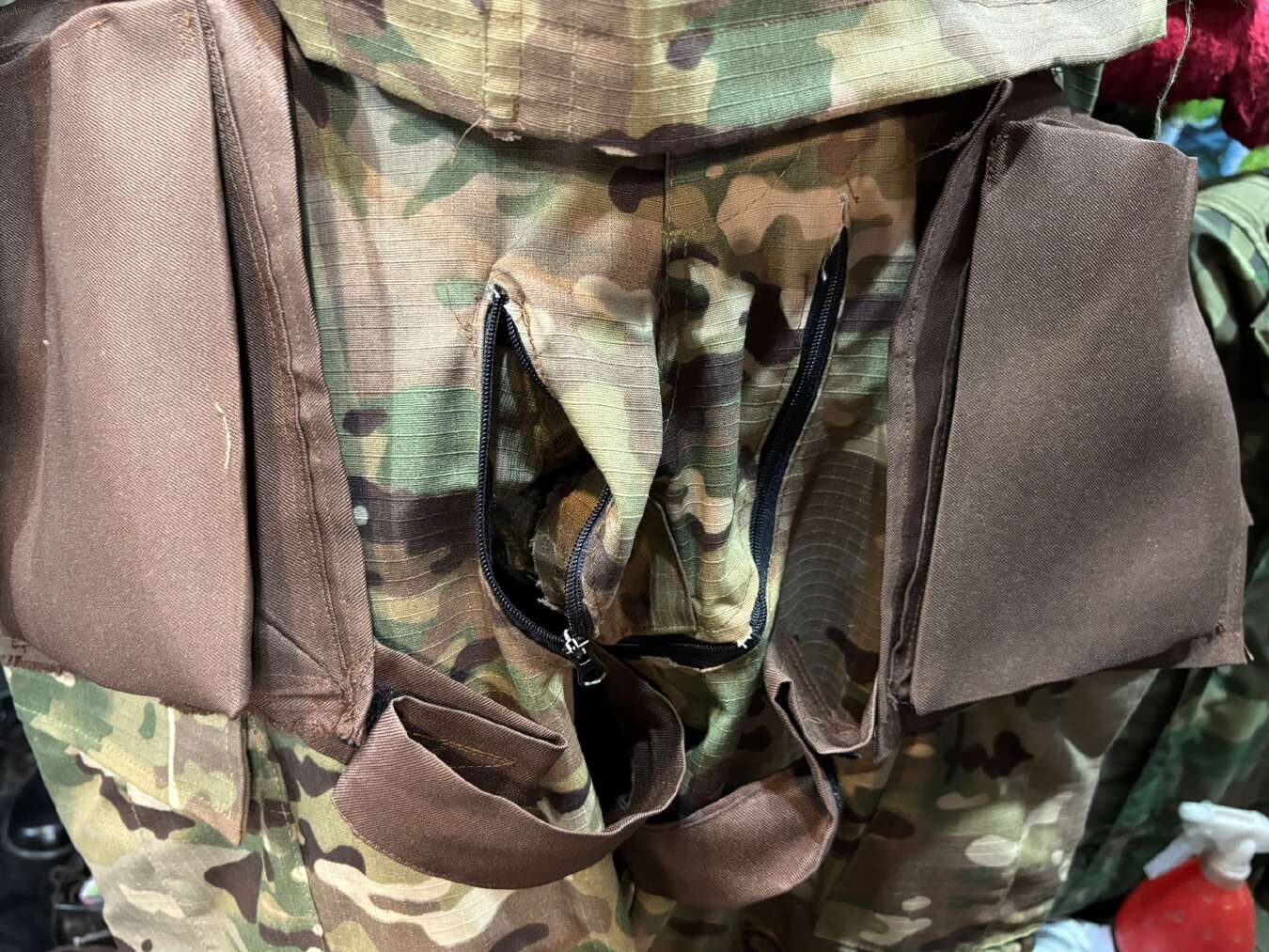
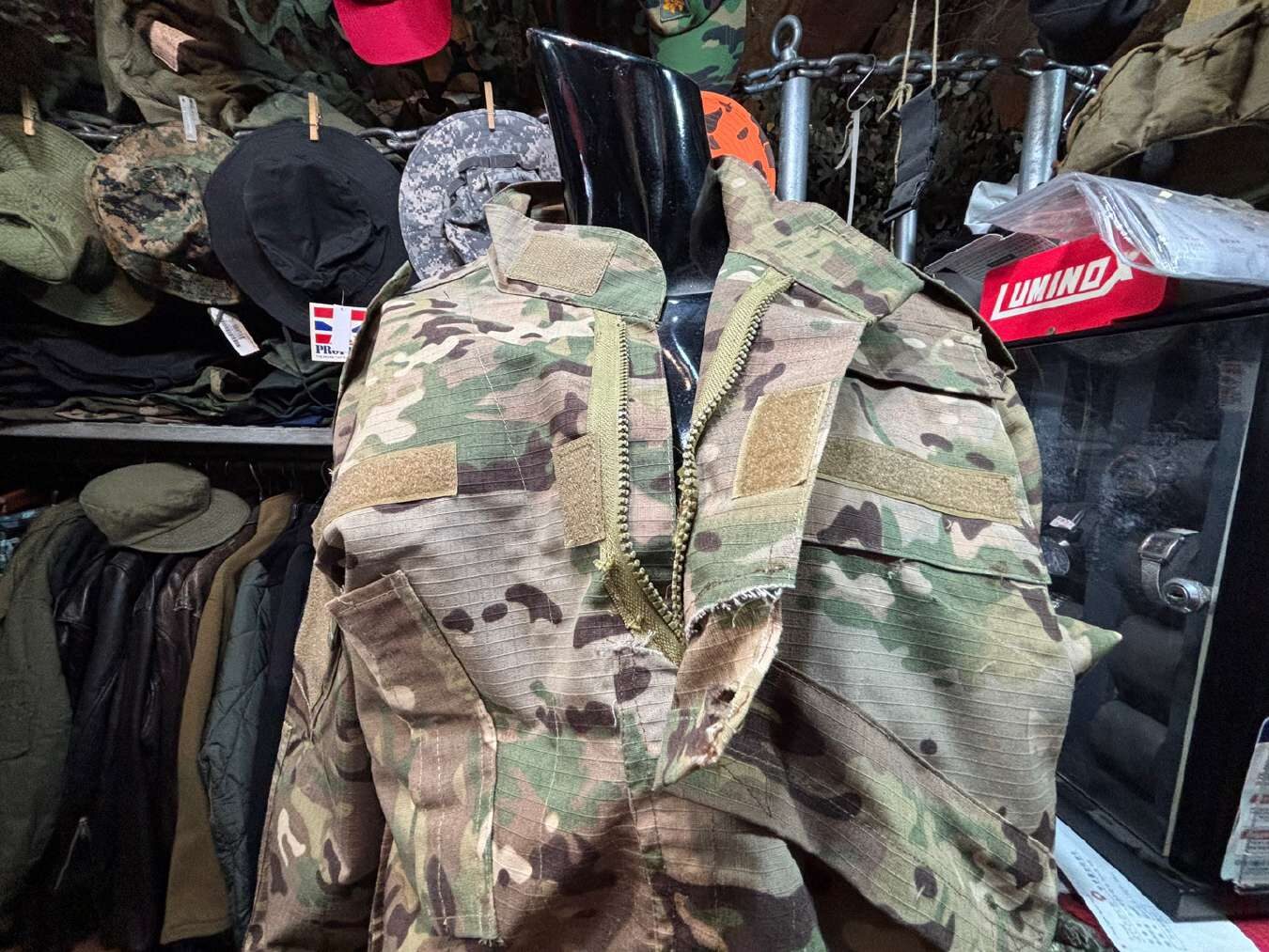
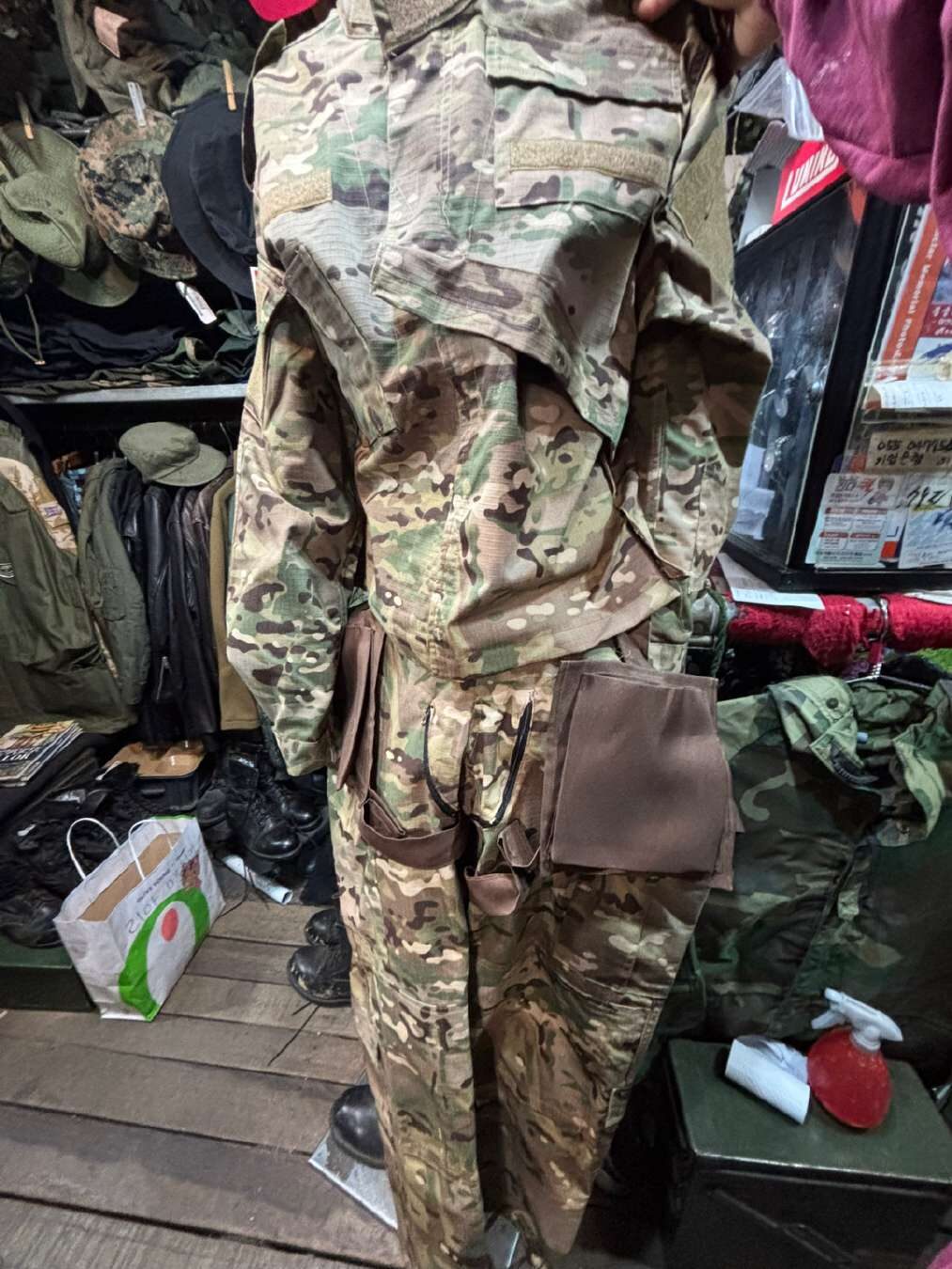
Accessible lower-body zipper
A standard front zip is designed for male anatomy and isn’t practical for many women. A second, lower zipper makes restroom access and menstrual hygiene faster and easier, especially in demanding field conditions.
 02
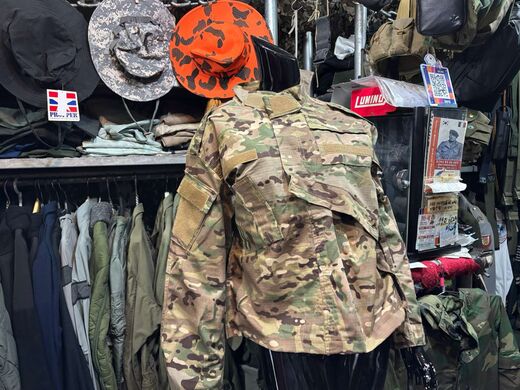
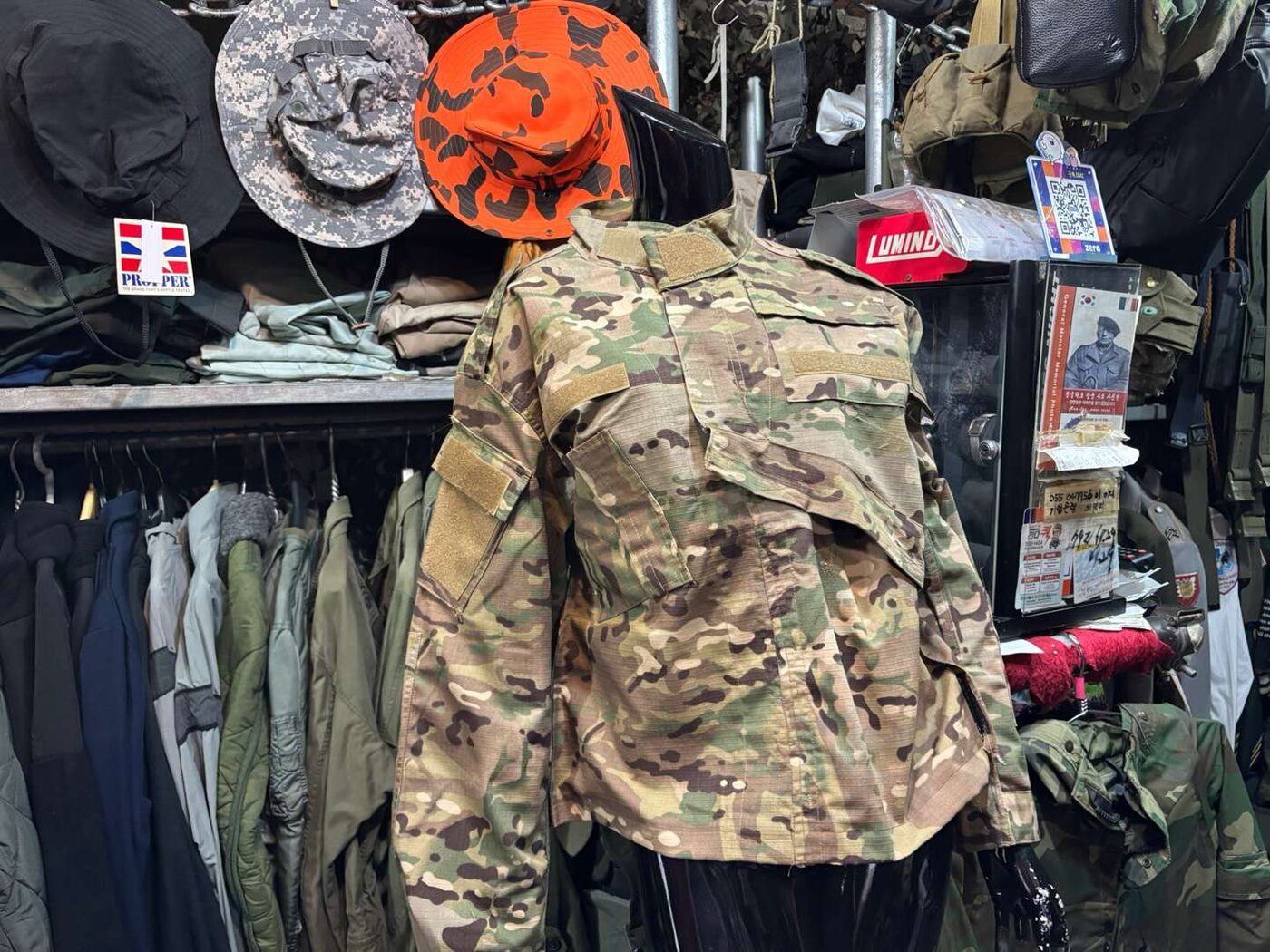
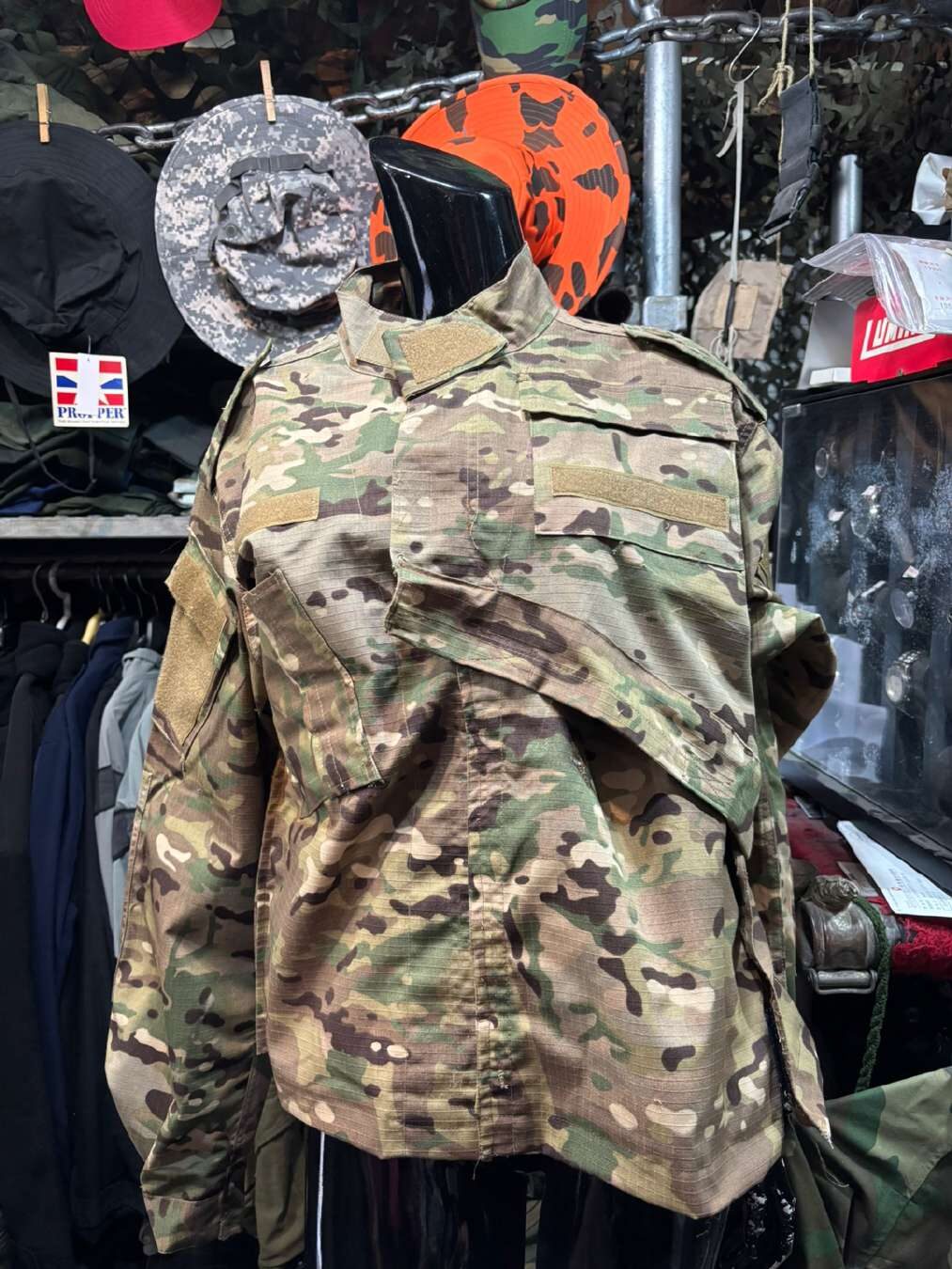
Diagonal upper-body closure
A straight front closure presses directly against the chest. The jacket fastens diagonally instead, following the contours of the chest and taking pressure off the upper torso.
 03
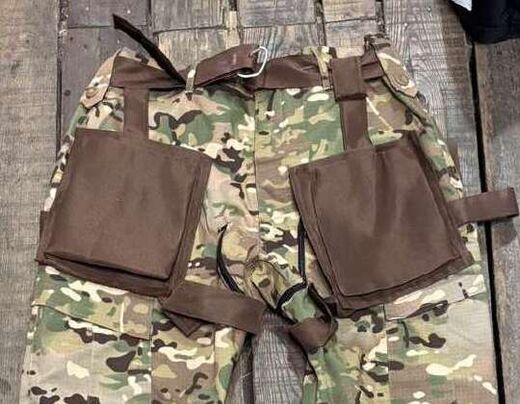
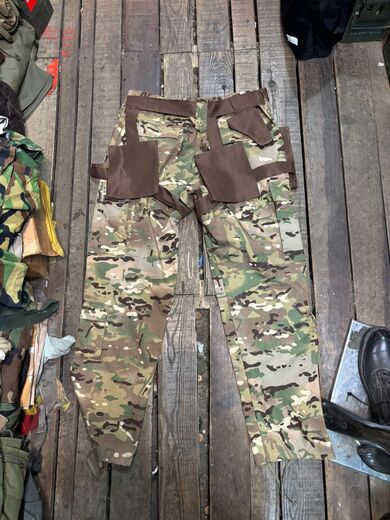
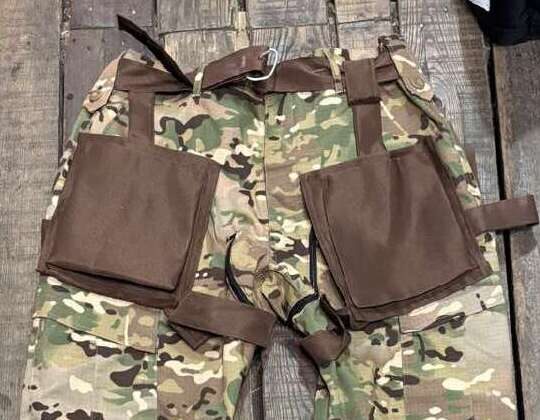
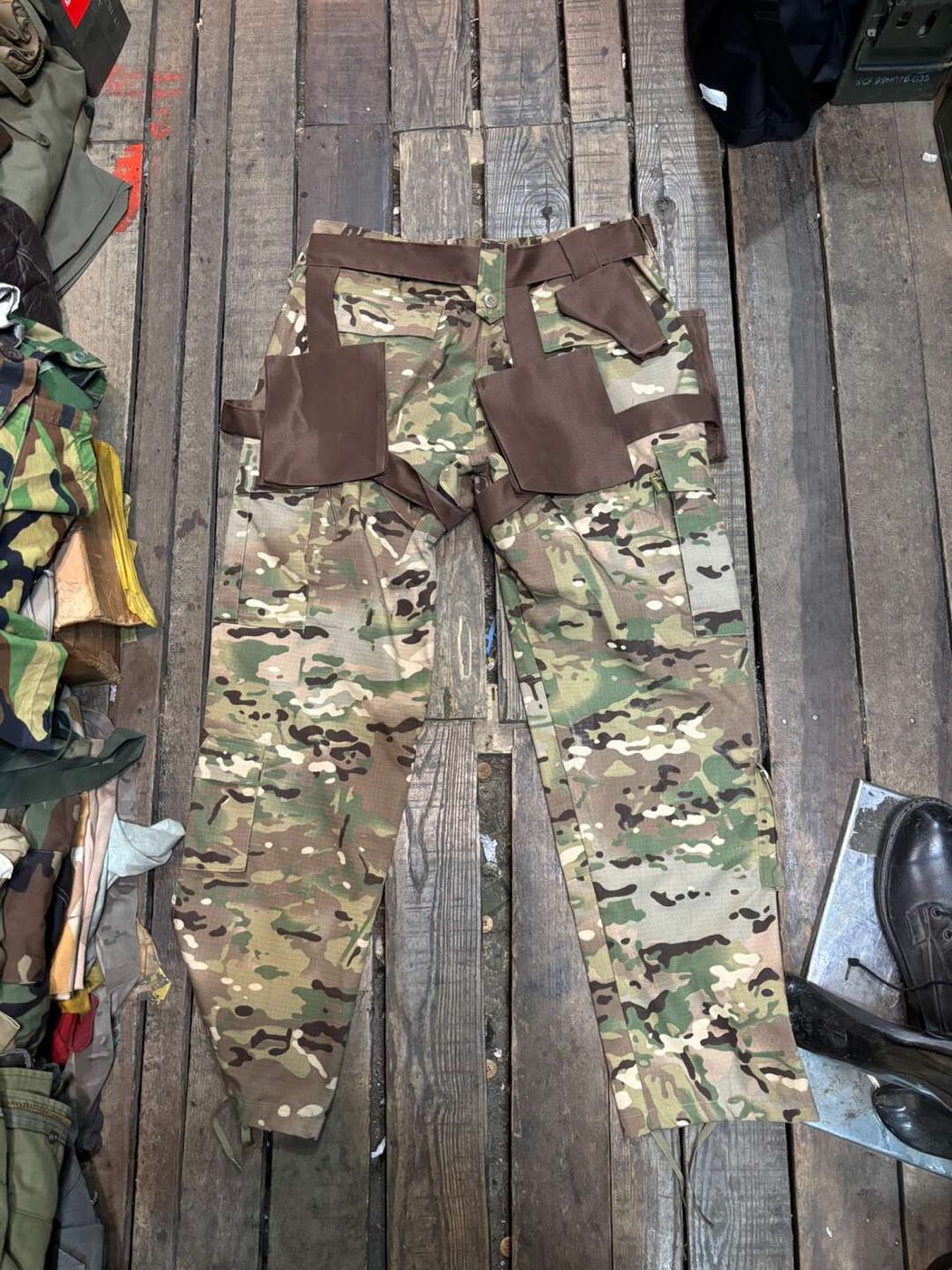
Load-distributing harness
Women tend to outperform men in endurance more than in strength-based tasks; in mixed-gender 200 km races, women often come out ahead. A multi-pocket harness moves load from the shoulders down toward the hips, and an extra leg pocket adds storage that is easy to reach.
 04
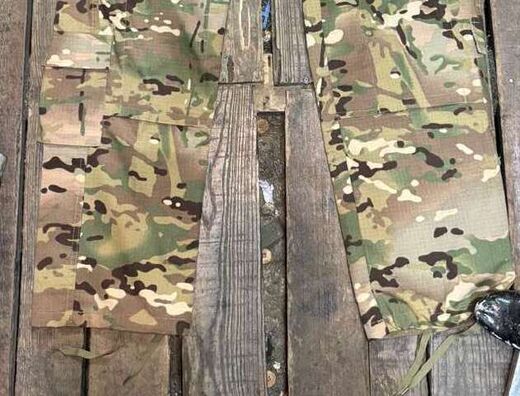
Adjustable knee ventilation
Women hold and release more heat through the lower body. Velcro-closed vents at the knees let the wearer adjust airflow to the weather and the workload, without giving up protection.
 05
Adjustable ankle straps
Women with smaller frames often end up with extra fabric at the hem when switching between combat, insulated and field boots. Straps at the cuffs fit the hem to the leg and the boot, keeping movement clean and cold out.
 06
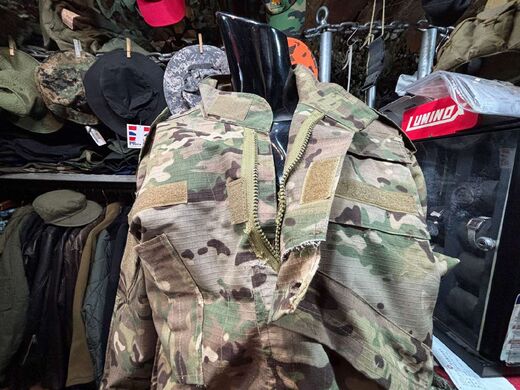
Modular attachment points
Velcro points across the chest and shoulders let equipment be fixed to the body wherever it is needed: less reaching, less lifting with the arms, less fatigue.
 07
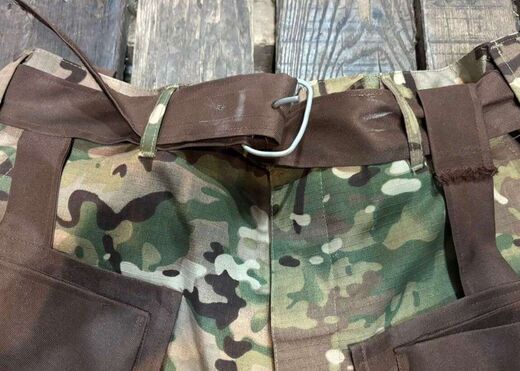
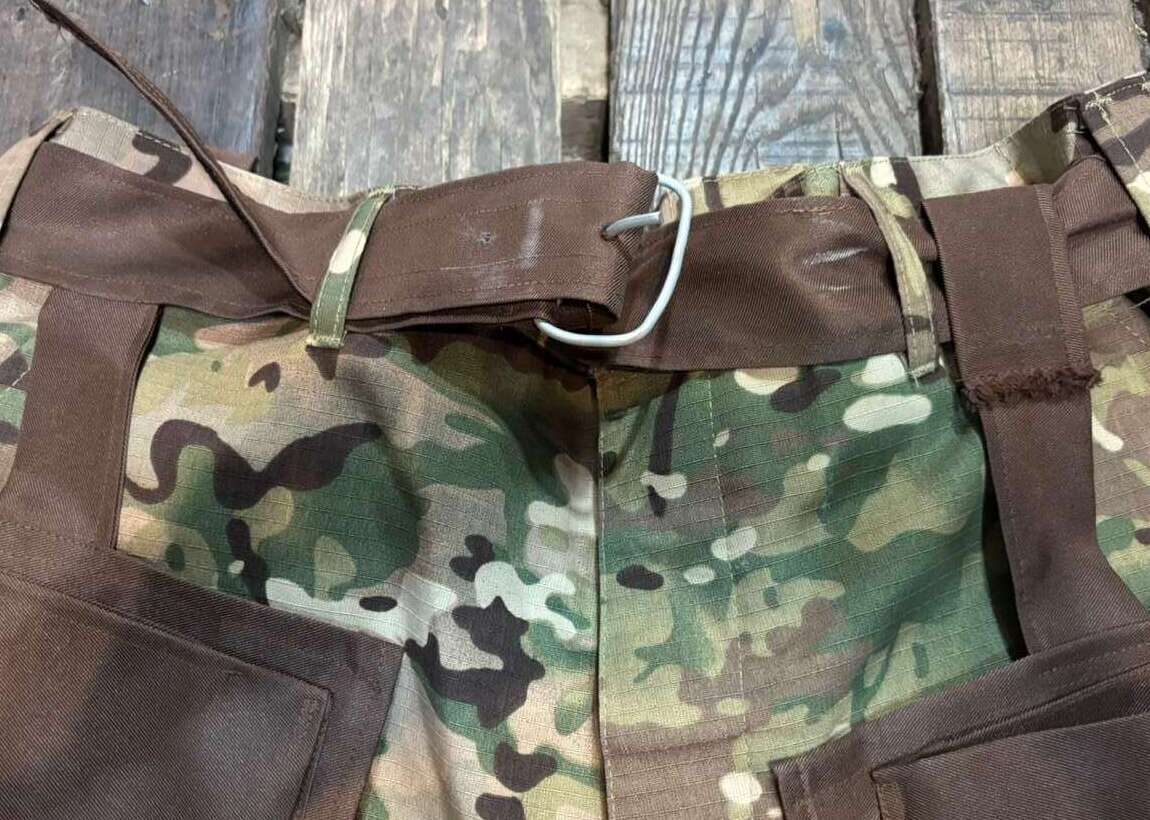
Adjustable rear waistband
An adjustable elastic waistband at the back lets the wearer change the fit throughout the day, so the uniform moves with the body instead of shifting or bunching.
Rather than asking women to adapt to a uniform, the uniform should adapt to the women who wear it.
03Pop-up at DMZ
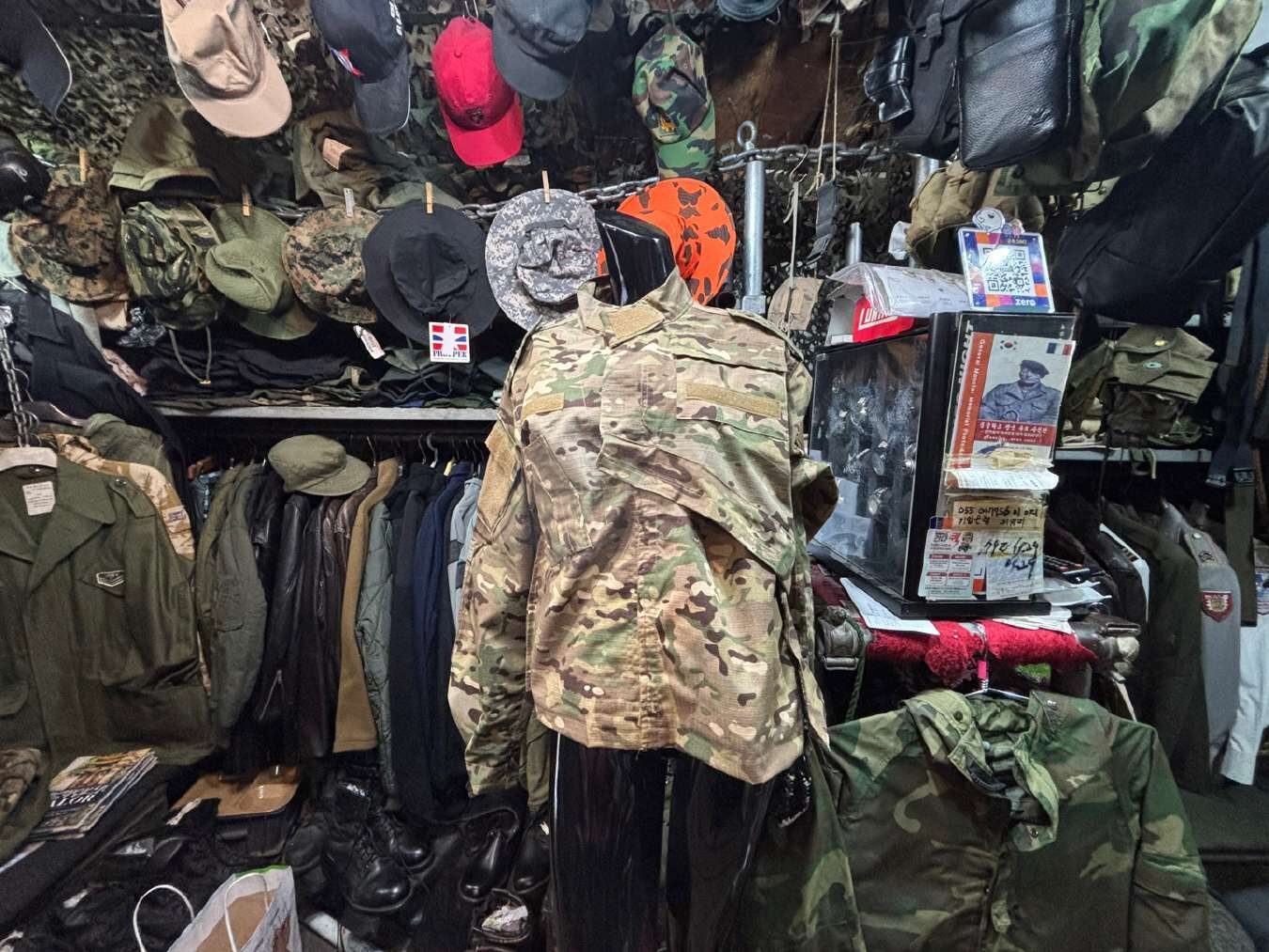
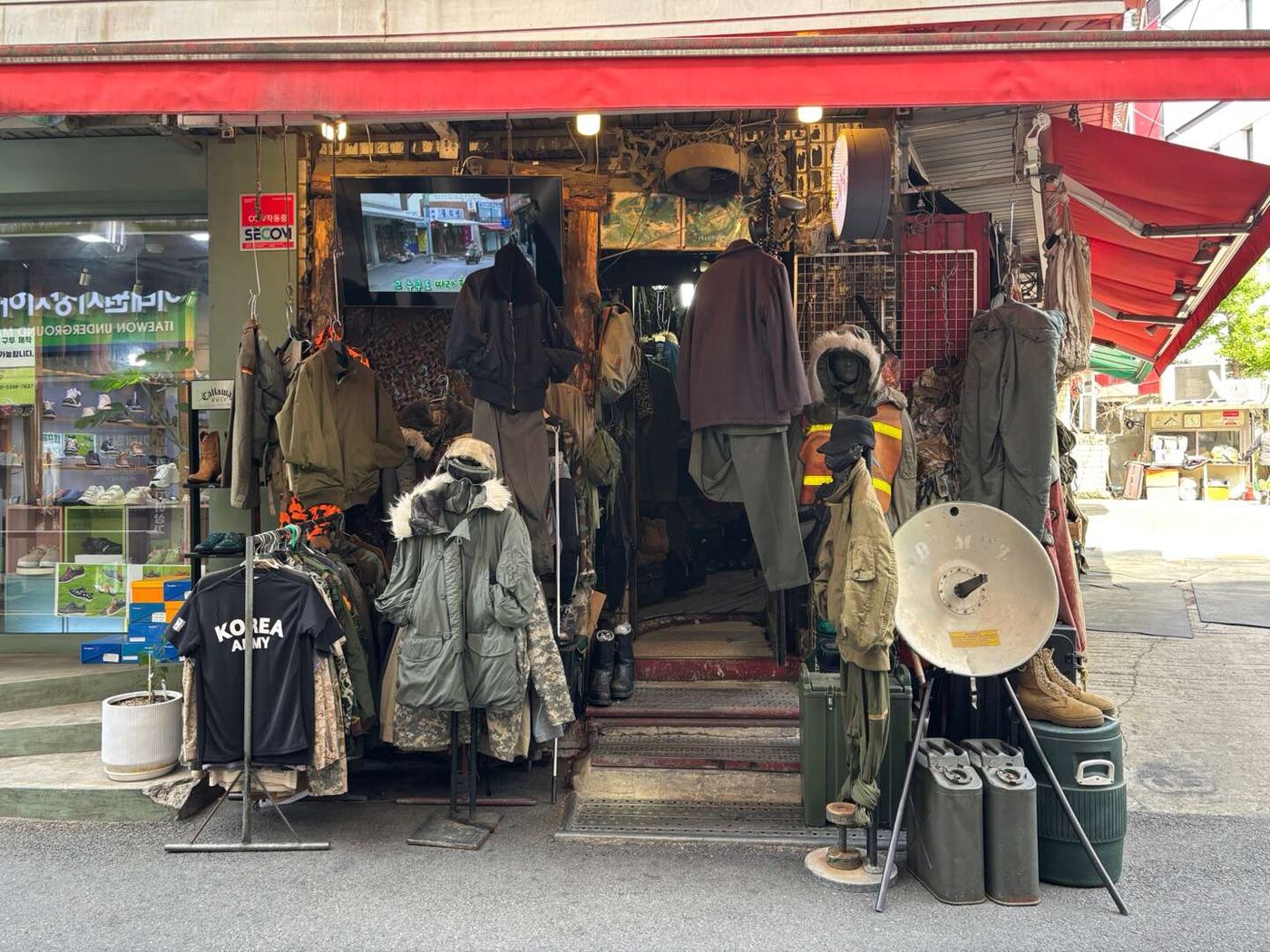
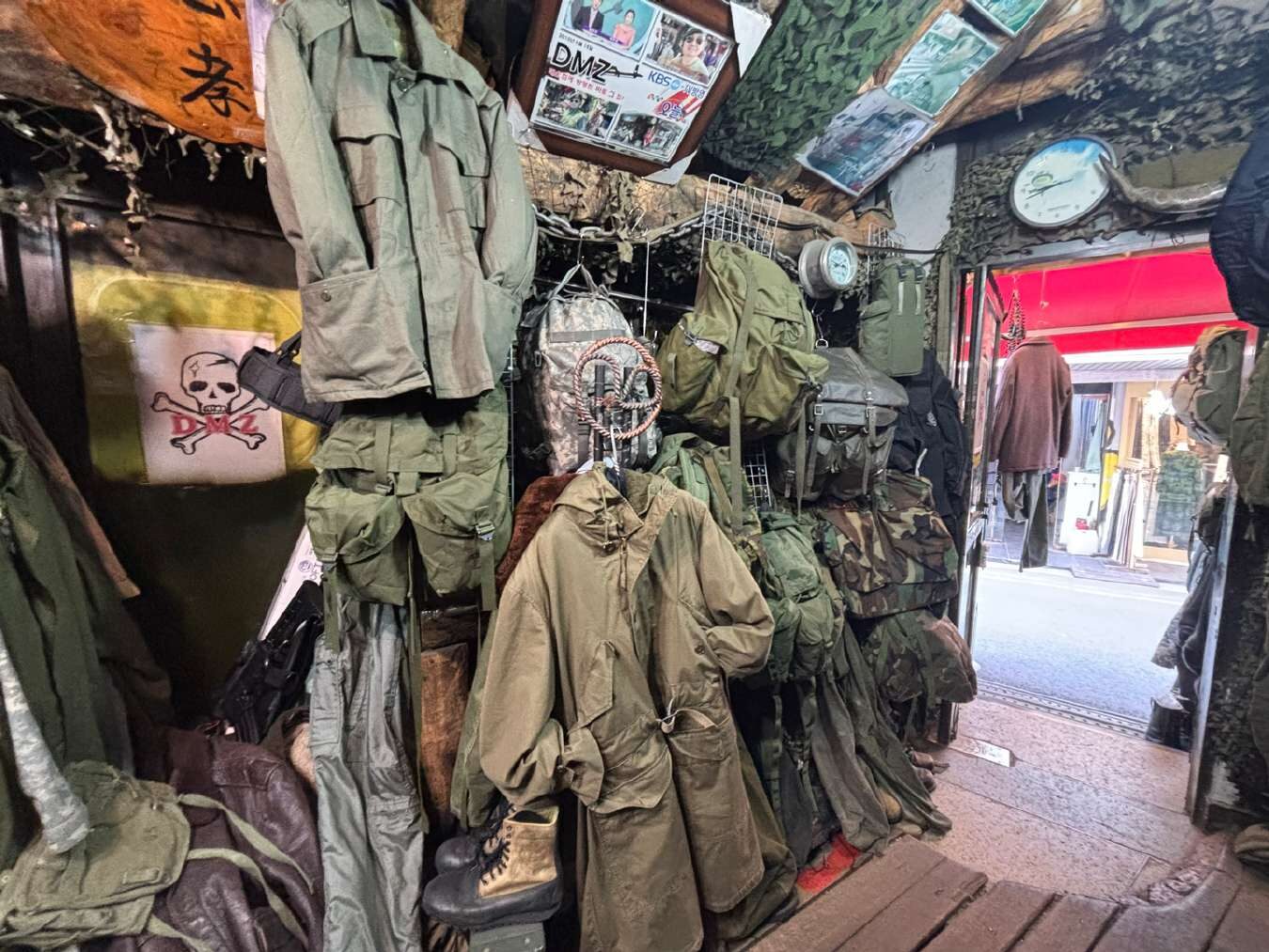
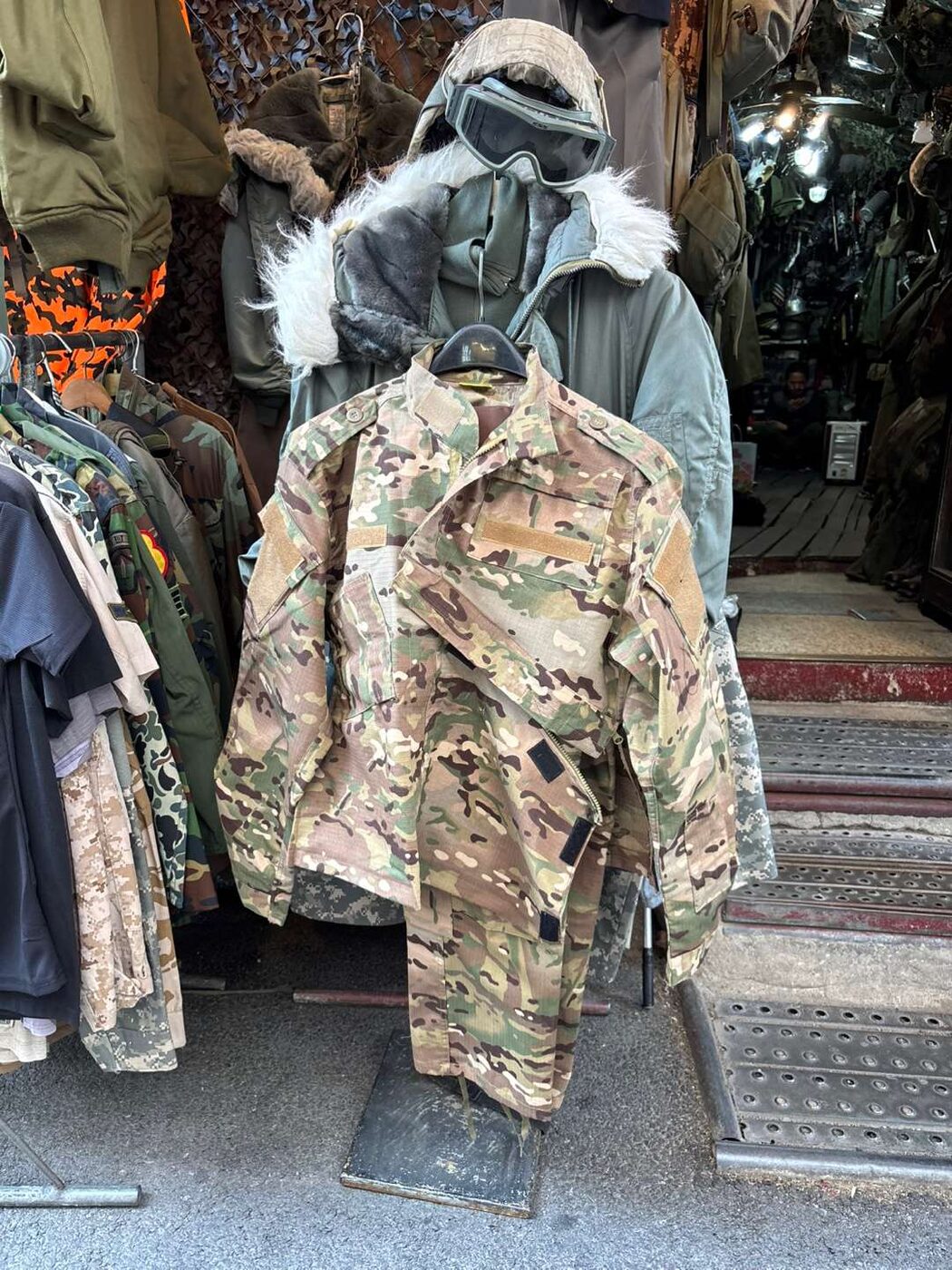
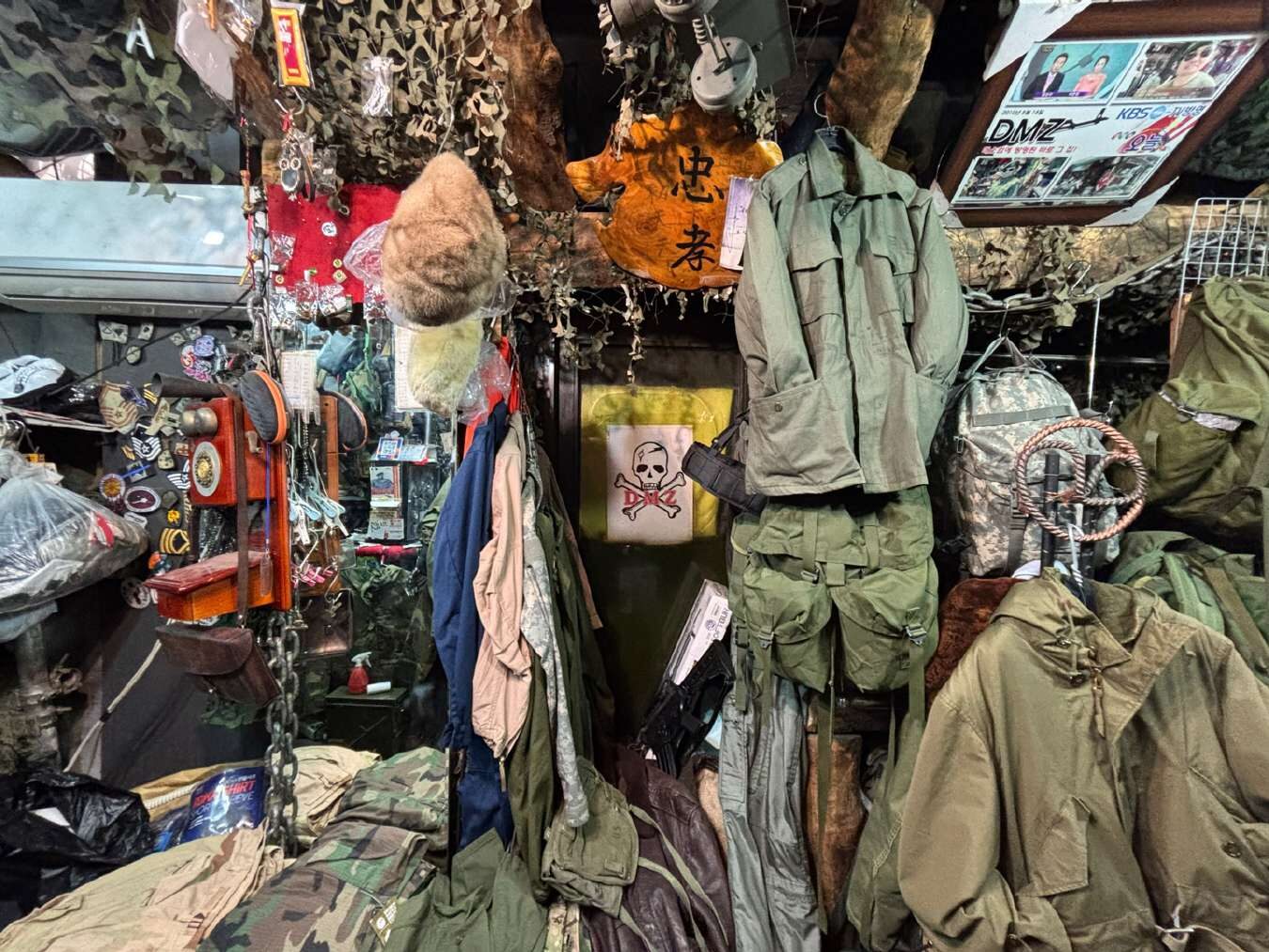
DMZ is a military apparel shop in Itaewon that draws people interested in uniforms, military history and military-inspired fashion. Its owner has spent more than 35 years researching, collecting and archiving military uniforms, and that knowledge grounded each design decision in how military garments are actually built, used and worn.
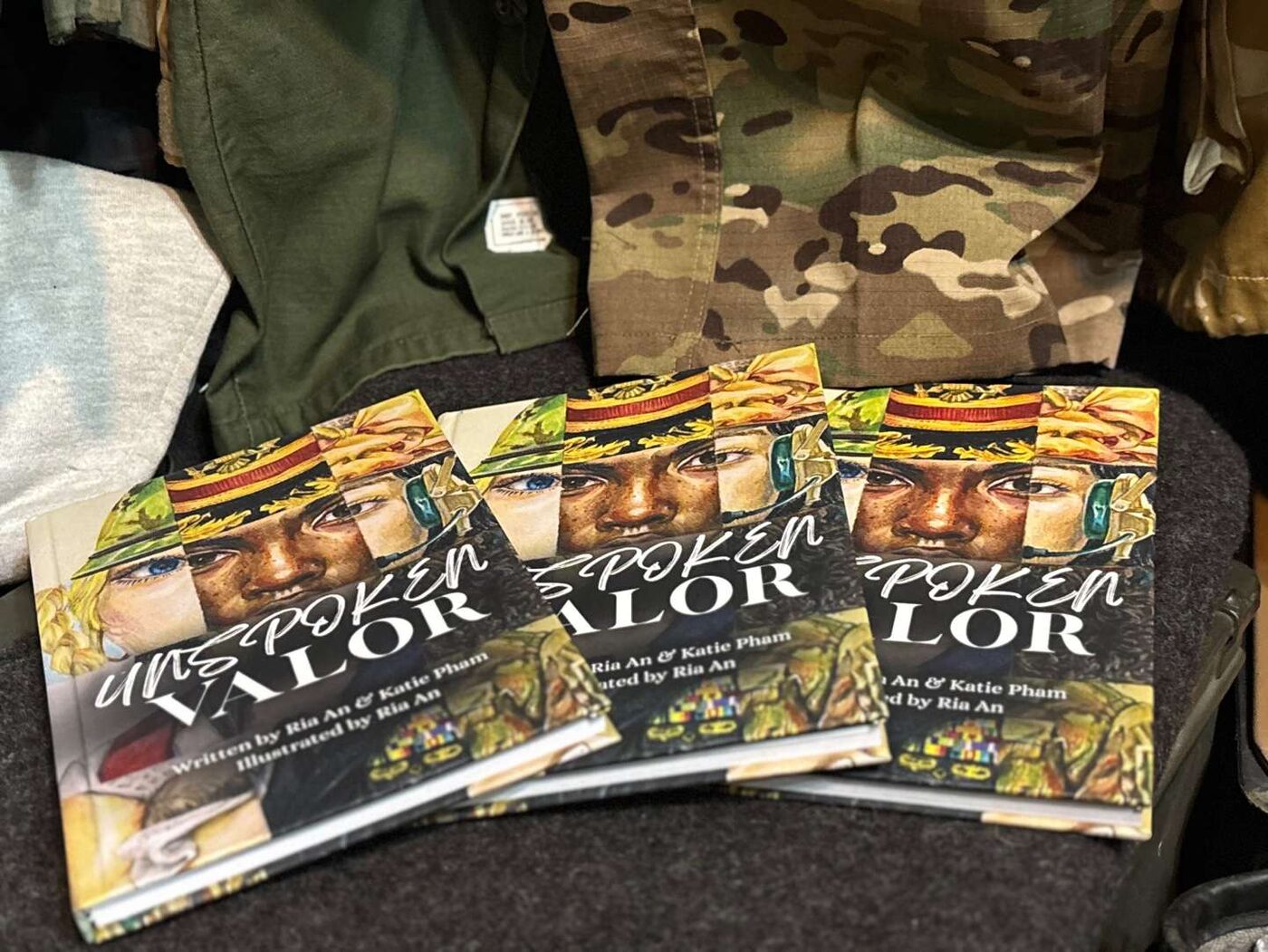
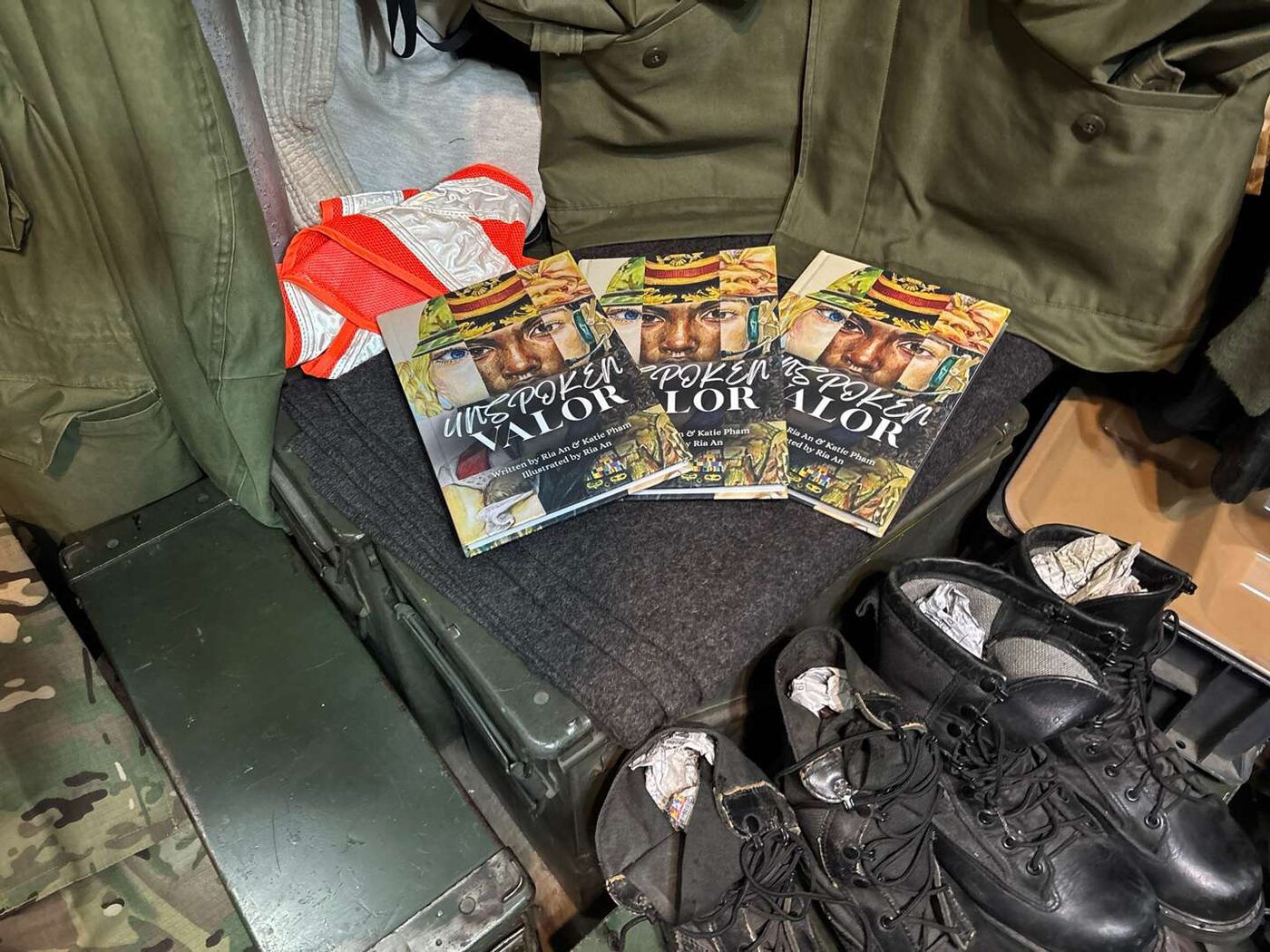
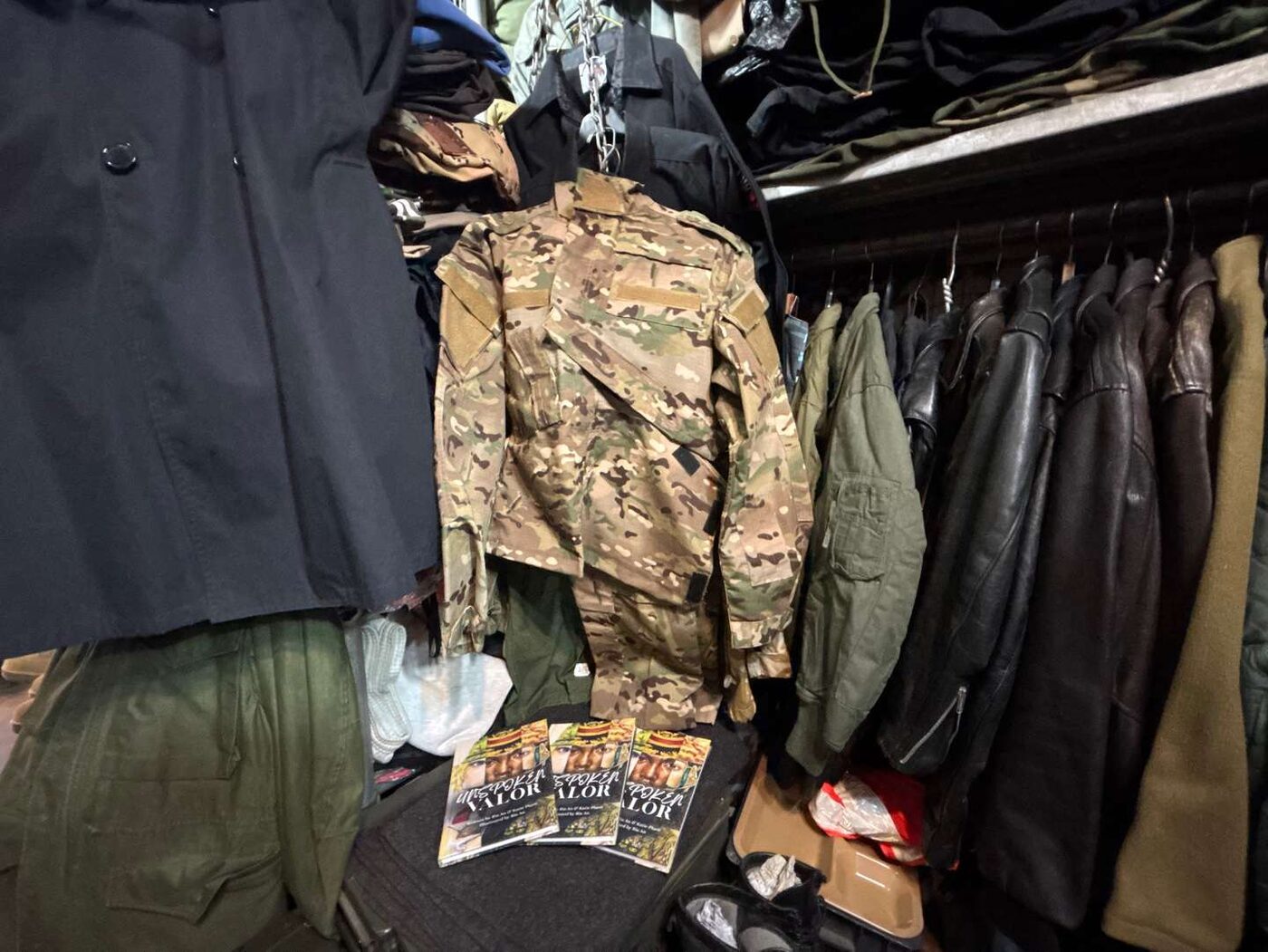
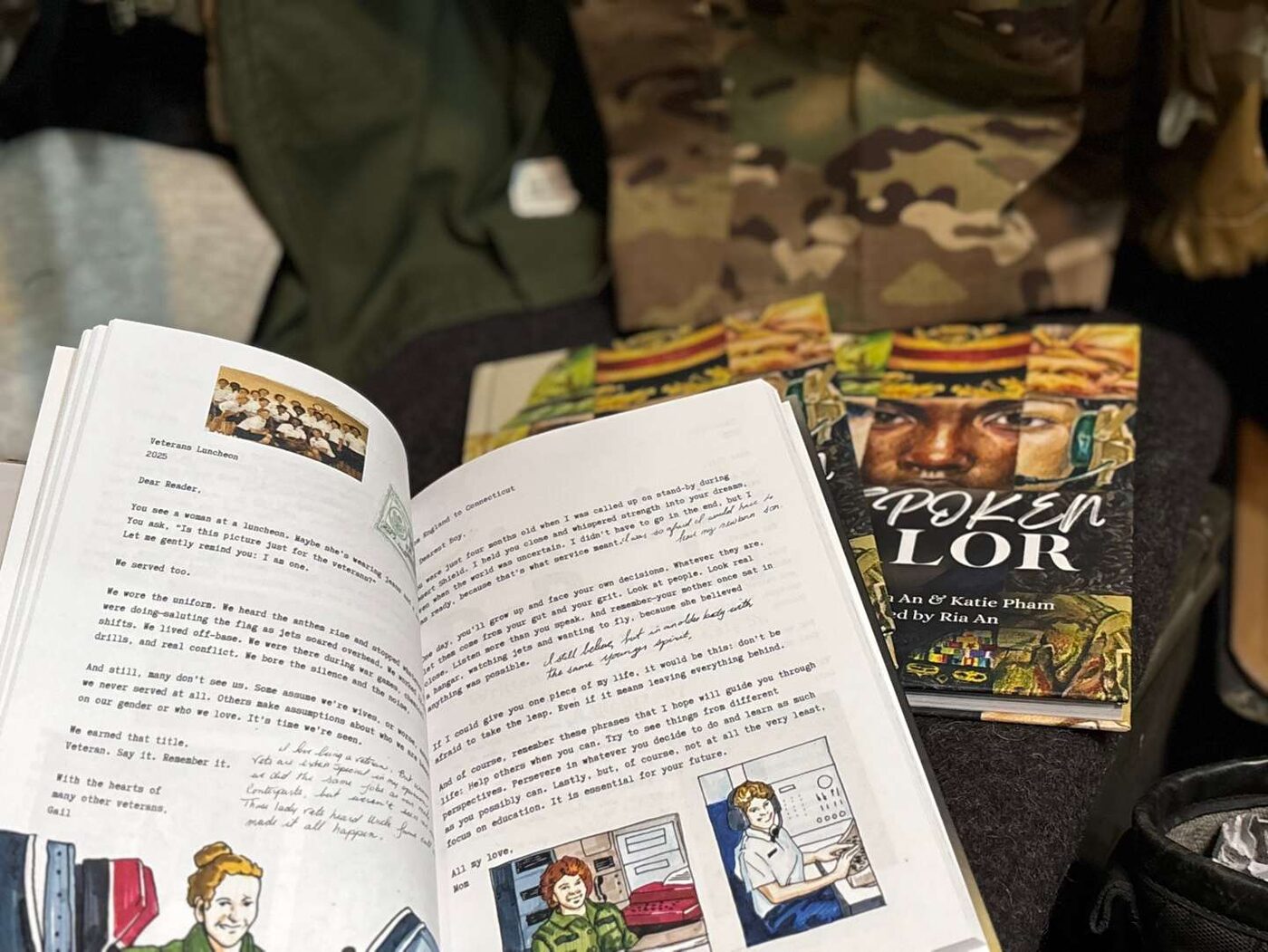
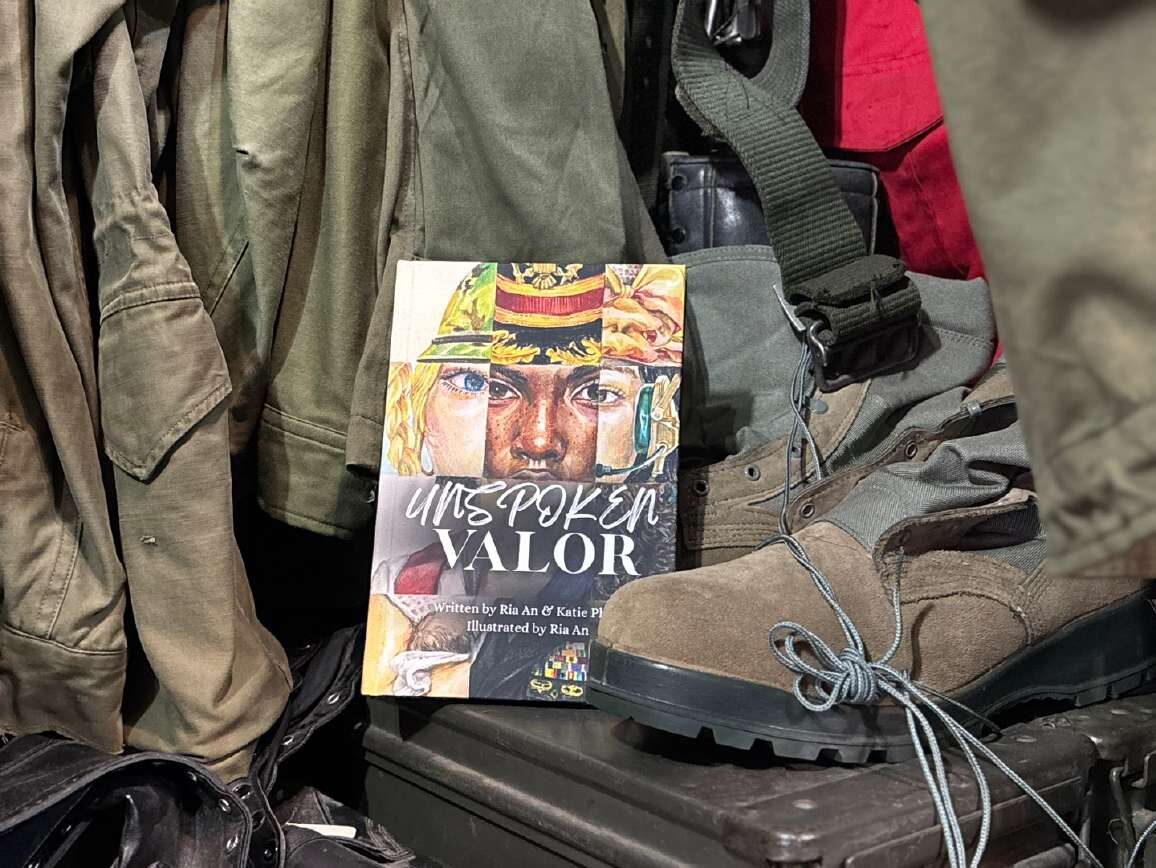
Showing a redesigned women’s uniform in a shop full of standard ones asked visitors to look again at familiar clothing through ergonomics, gender and personal history. The prototype was displayed and sold next to Unspoken Valor, so visitors met both the design and the stories behind it.
04Why it matters
Visibility
Bringing attention to the physical experiences, histories and overlooked needs of women who serve.
New audiences
Meeting DMZ’s regular customers alongside people drawn in by fashion, art and inclusive design.
Uniform as statement
Treating military clothing not just as equipment, but as an object that carries questions of identity, representation and access.
Design is never neutral: every object reflects assumptions about who it is meant to serve. Fit to Serve makes those assumptions visible, and offers a more inclusive alternative.