Founder & President, FIST
“Become an innovator, a scientist, an engineer, and a creative leader with us!”
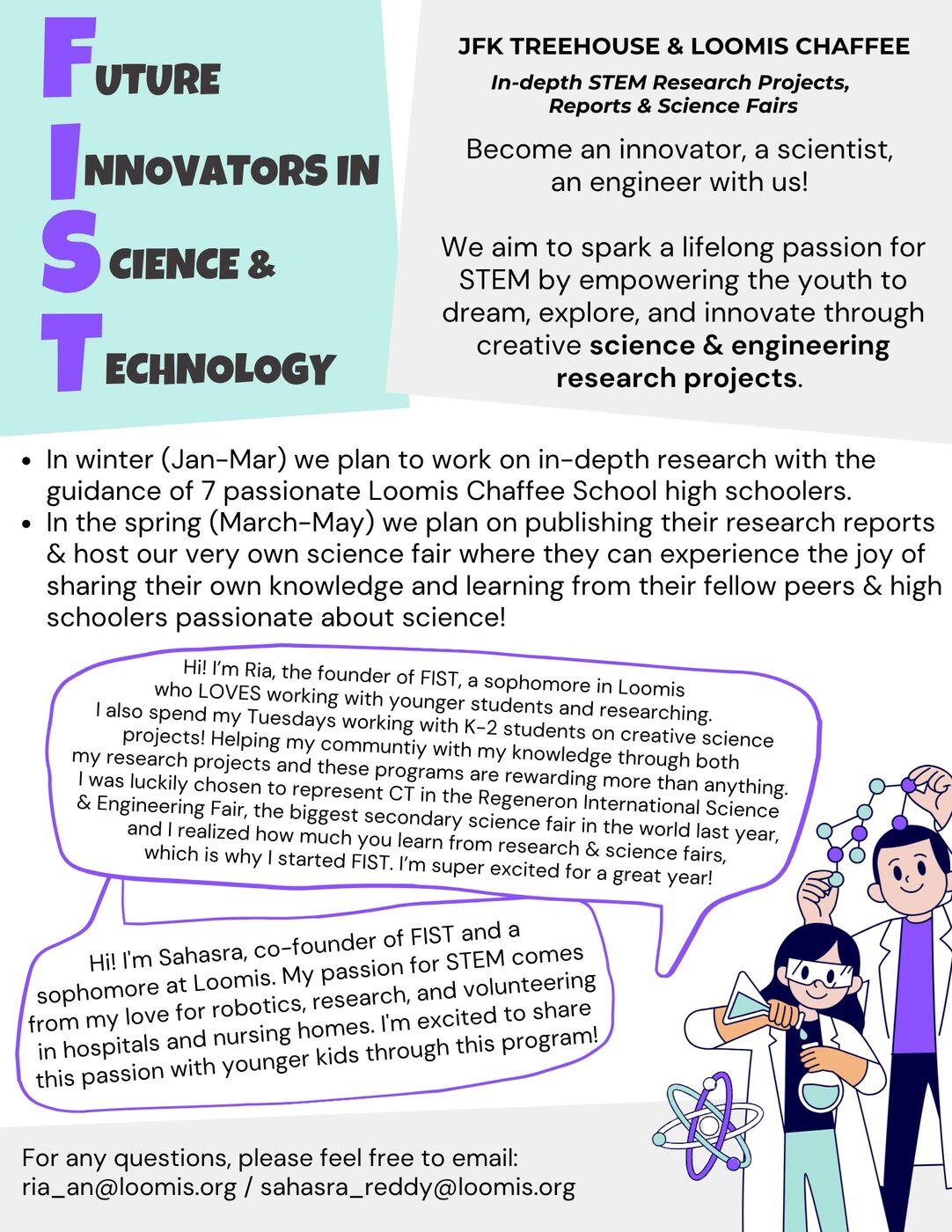
FIST sparks a lifelong passion for STEM by empowering young students to dream, explore and innovate through creative science and engineering research projects. Elementary schoolers spend the winter on an in-depth research project of their own, guided by Loomis Chaffee high schoolers, then publish their reports and present them at a science fair.
I proposed FIST as an official community engagement program at Loomis Chaffee, in collaboration with Treehouse, the joint after-school program of JFK Elementary and Clover Elementary, two public schools near Loomis. FIST is now part of Treehouse’s official curriculum. I co-founded it with Sahasra Reddy, and seven Loomis students serve as mentors.
Why I started it
Research changed how I learn
Representing Connecticut at the Regeneron International Science & Engineering Fair showed me how much you learn from owning a research project and going deep into one topic. I wanted younger students, especially in public schools, to have that chance early.
Childhood sparks last
A core childhood memory often becomes an interest in high school and beyond. Building things with Arduino kits as a kid is what led me to love AI and study it.
The brain is a muscle
Kids who play a sport young keep that feel for it later. Science and creativity work the same way: if kids have fun being creative with science now, they keep that curiosity, and the confidence to take on new ideas, as they grow.
Skills beyond science
Research teaches students to ask meaningful questions, find and use resources, think critically, persist, make decisions, lead and accept failure, skills that help whatever they go on to do.
How it works
Each group picks a question under the theme “Build a better world” and takes it from idea to experiment to poster, using simple materials and a bit of technology.
- Develop an idea
- Learn how to research
- Run the experiment
- Write the report
- Make a poster
- Present it
Research questions the students & mentors decided on
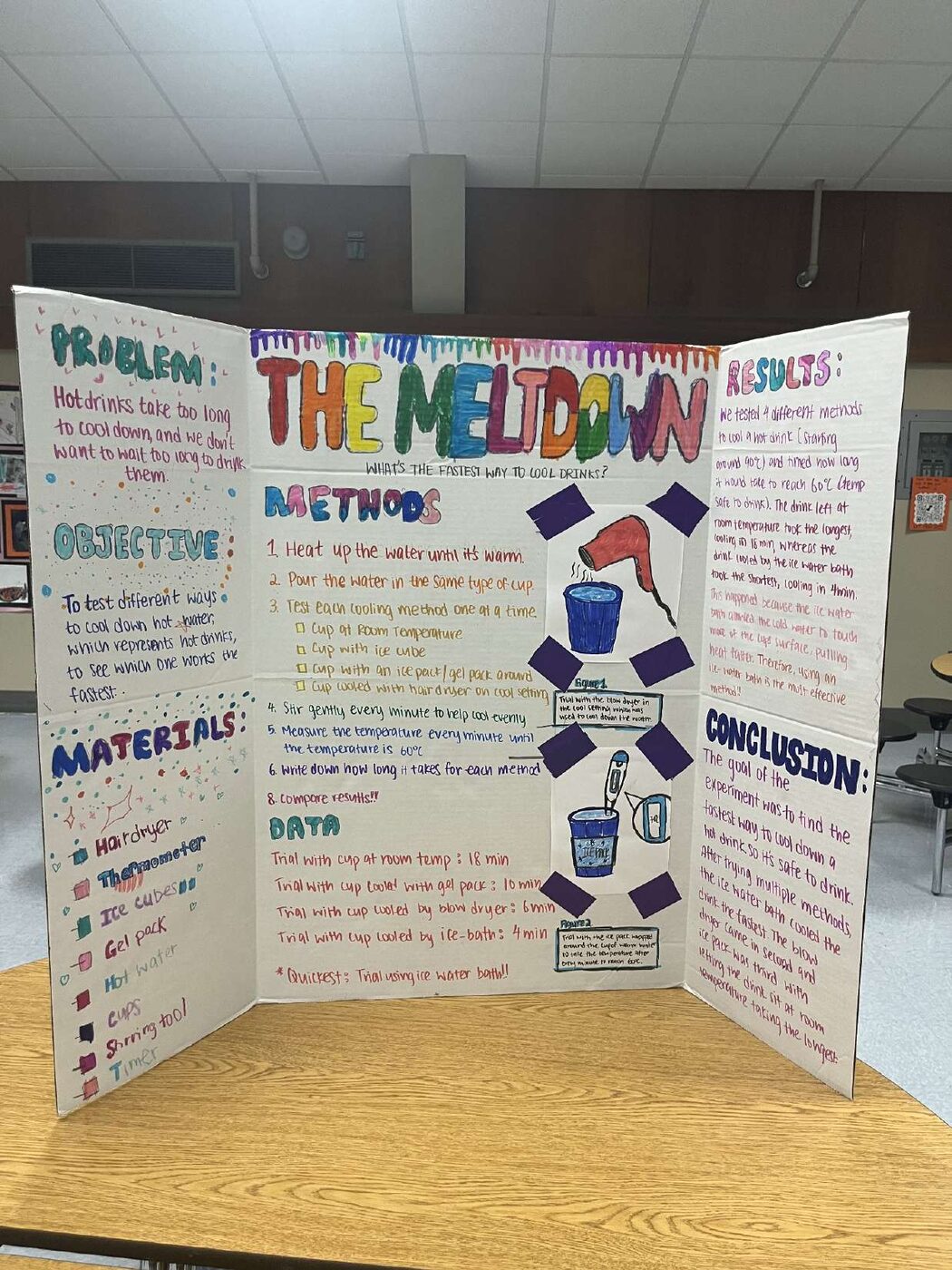
- How can we speed up the cooling process for hot drinks?
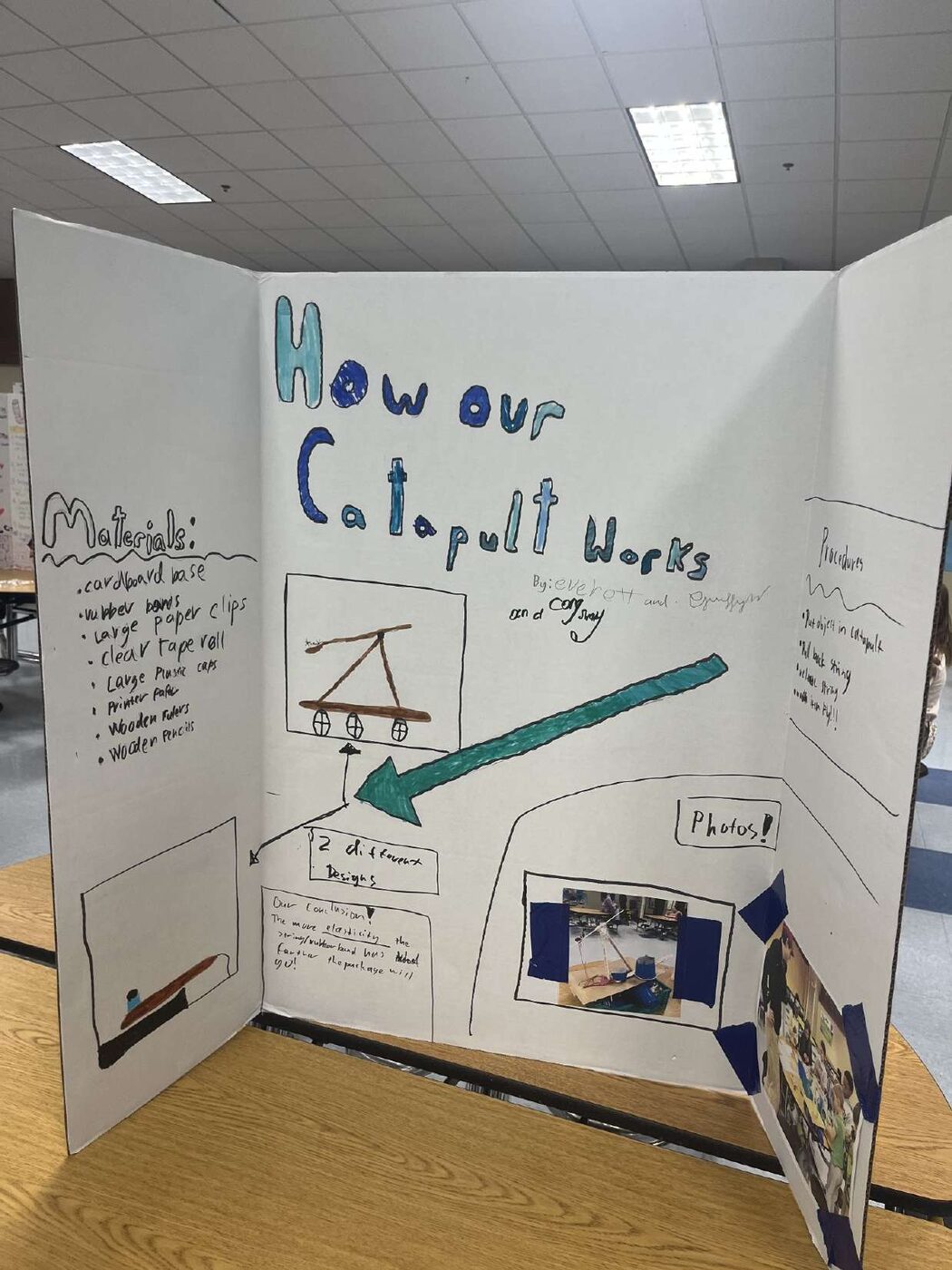
- How do we build the best catapult, and make objects fly higher or farther?
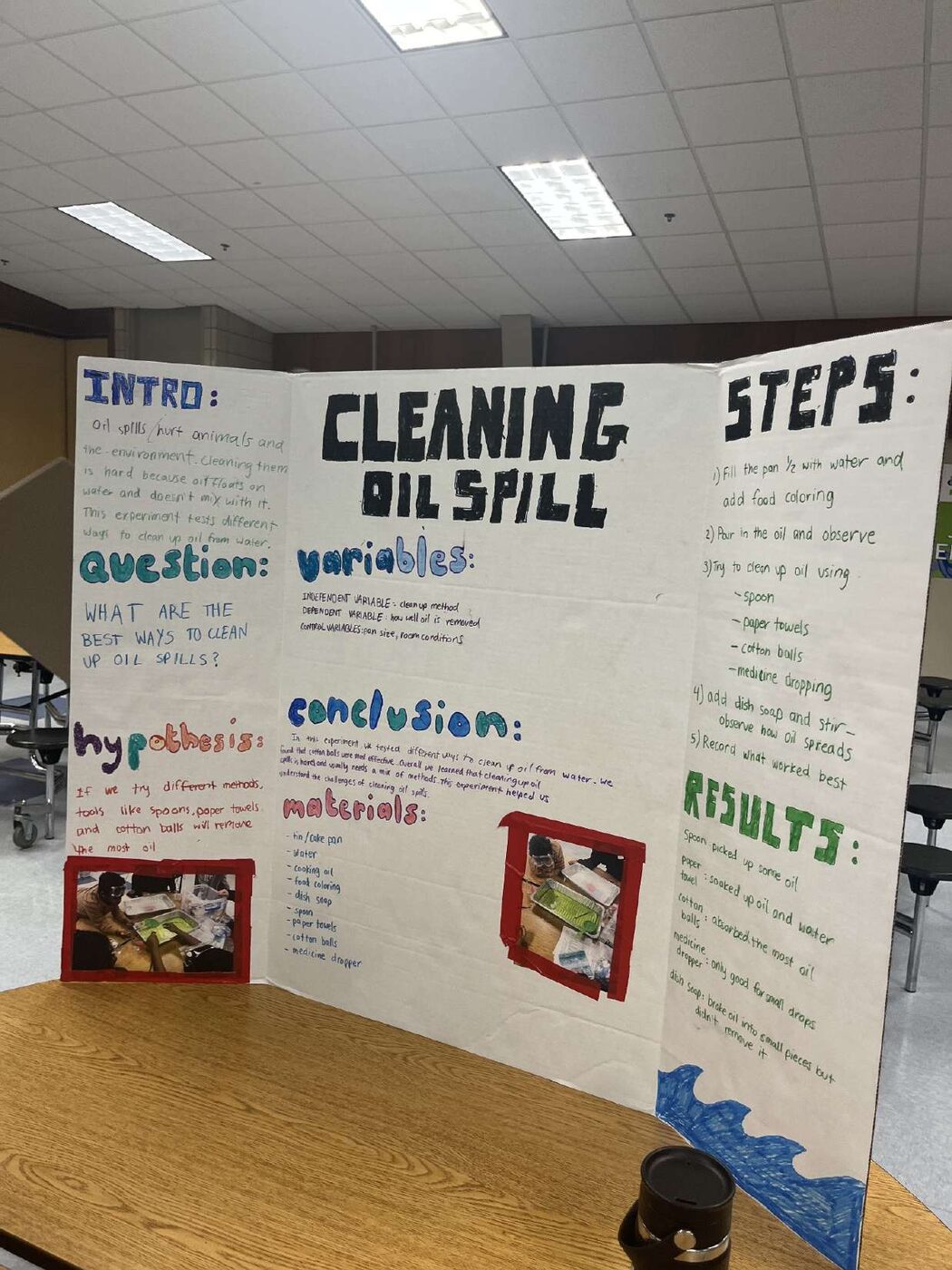
- How do we clean up oil spills?
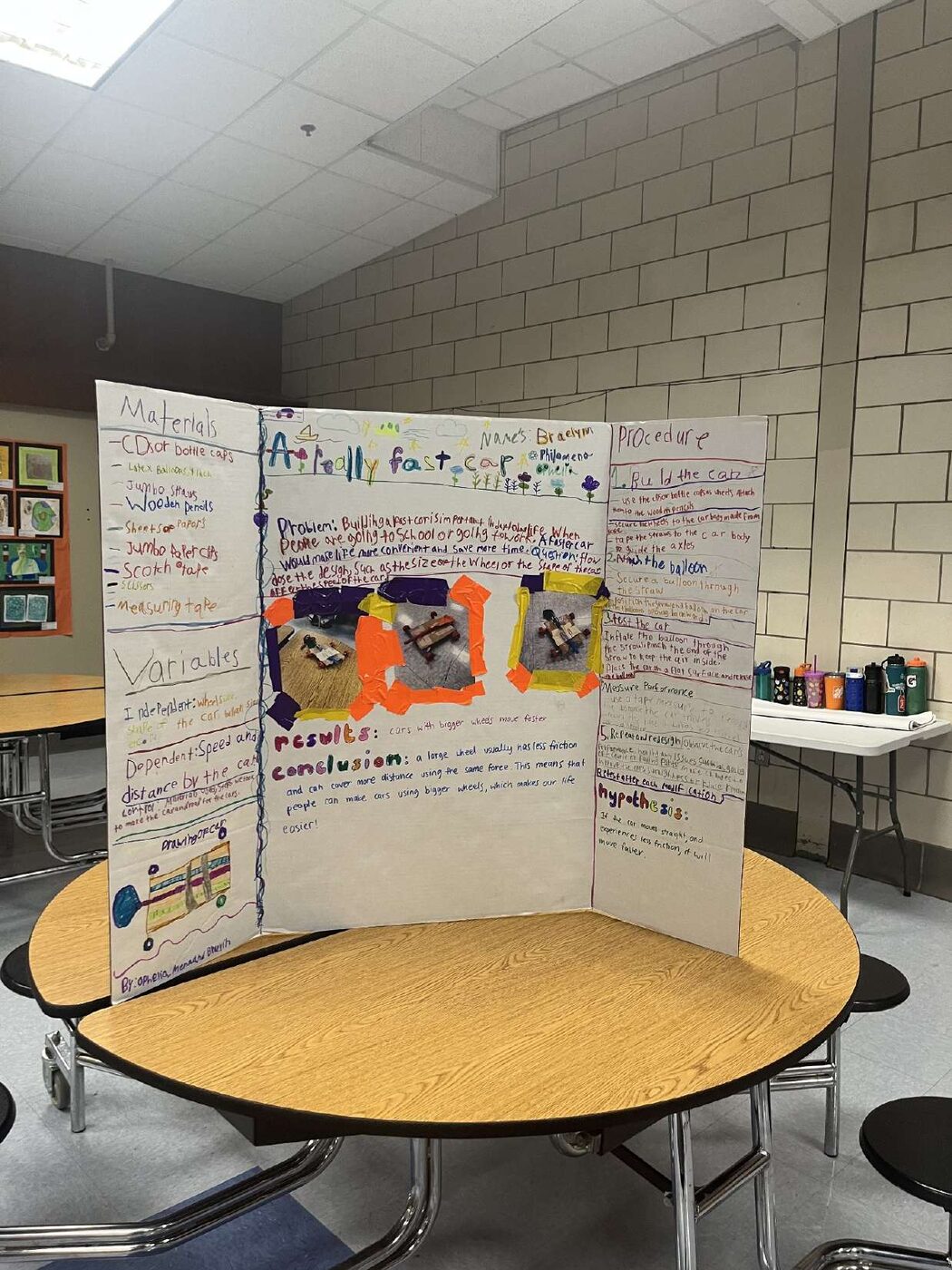
- How do we create the fastest car?
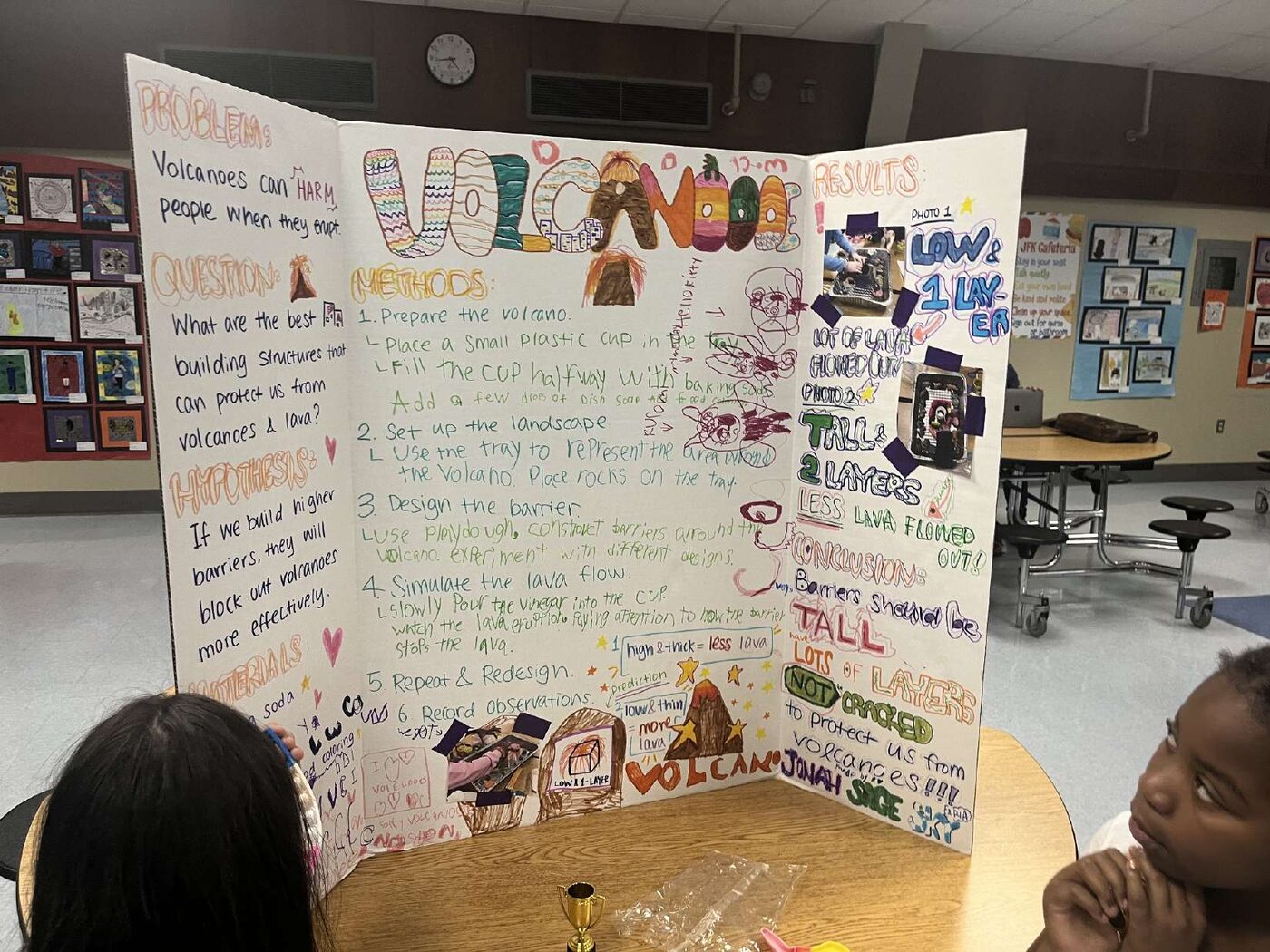
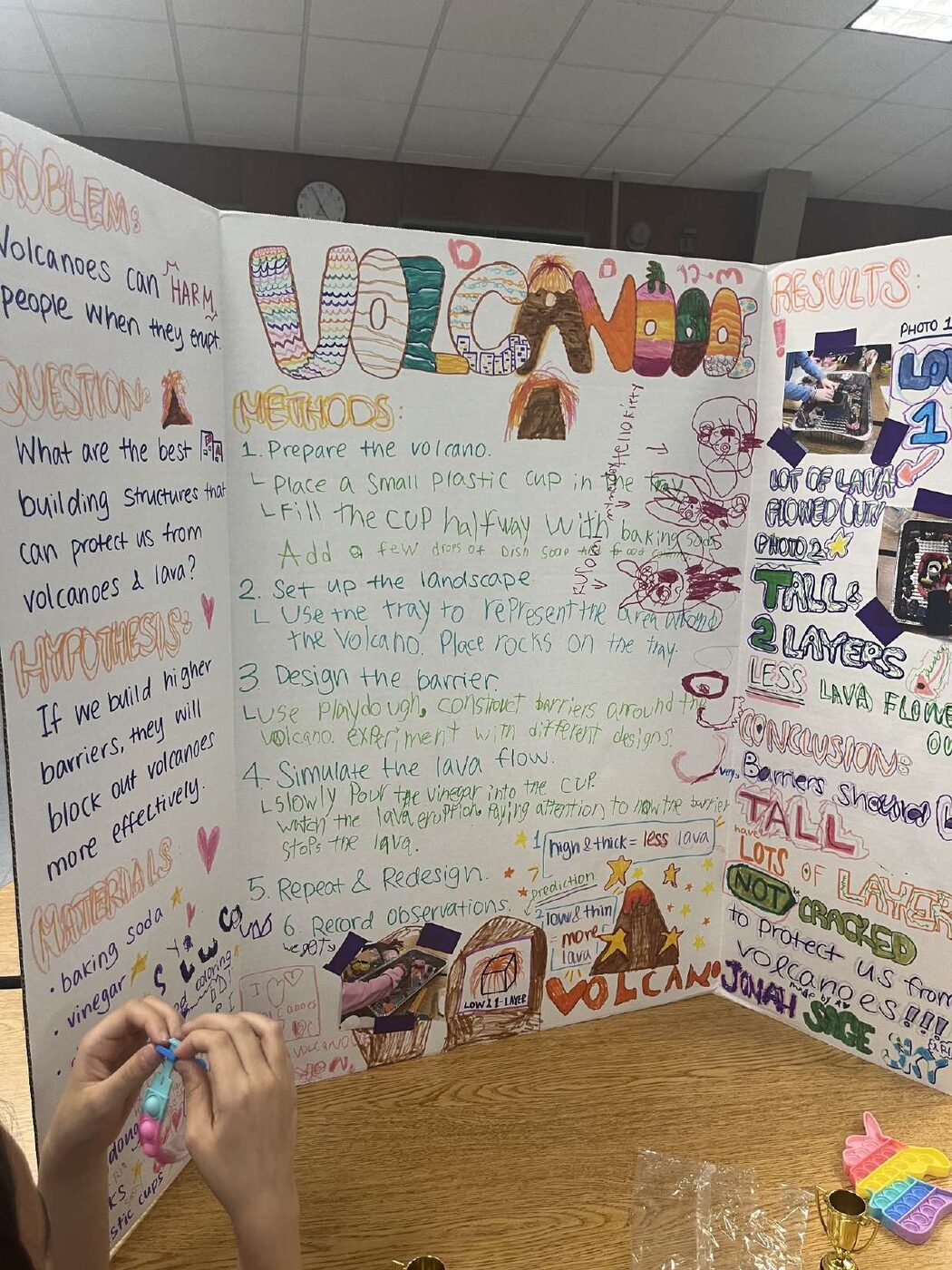
- What building structures best endure floods and lava?
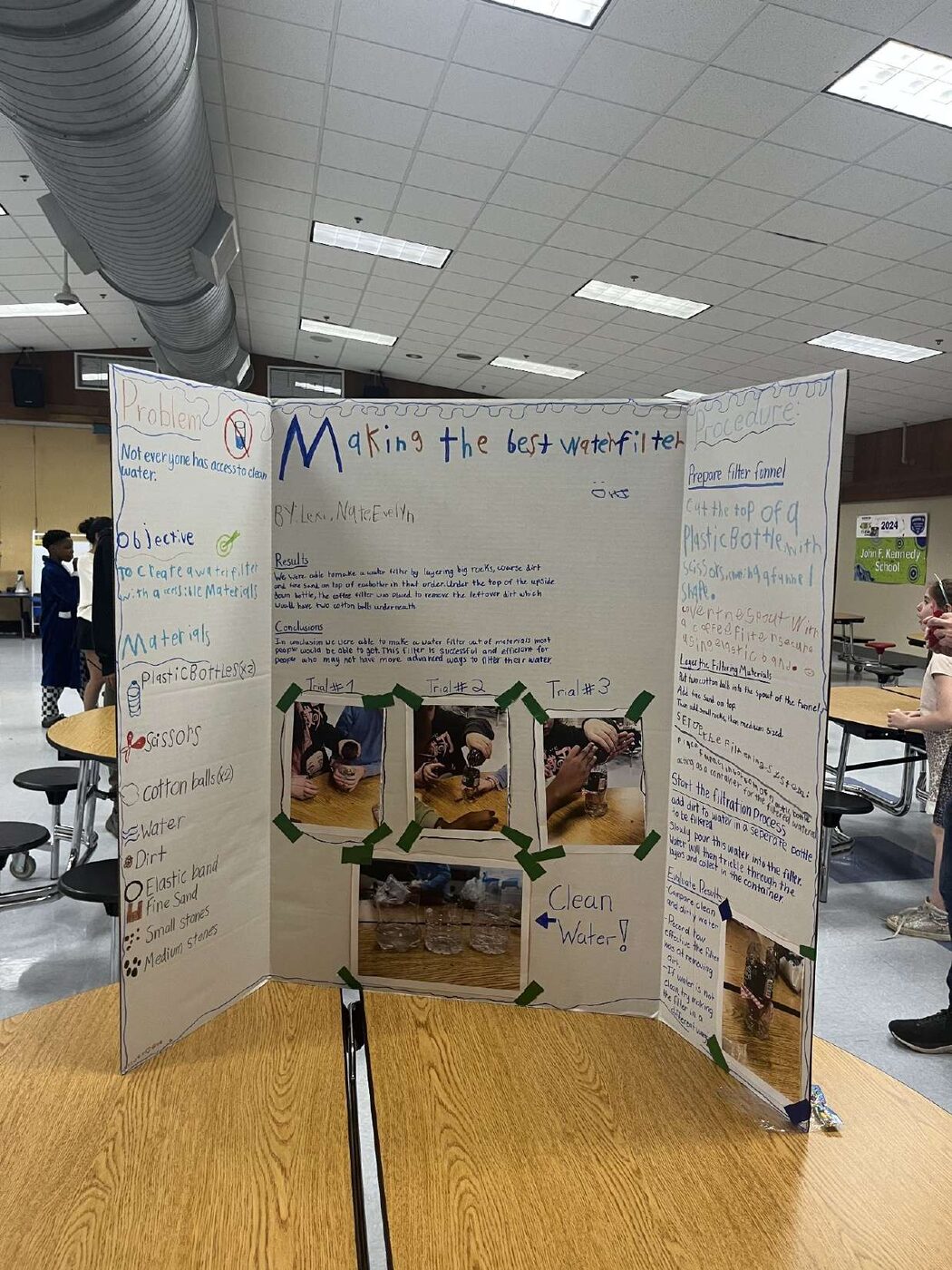
- How do we create the best water filter?
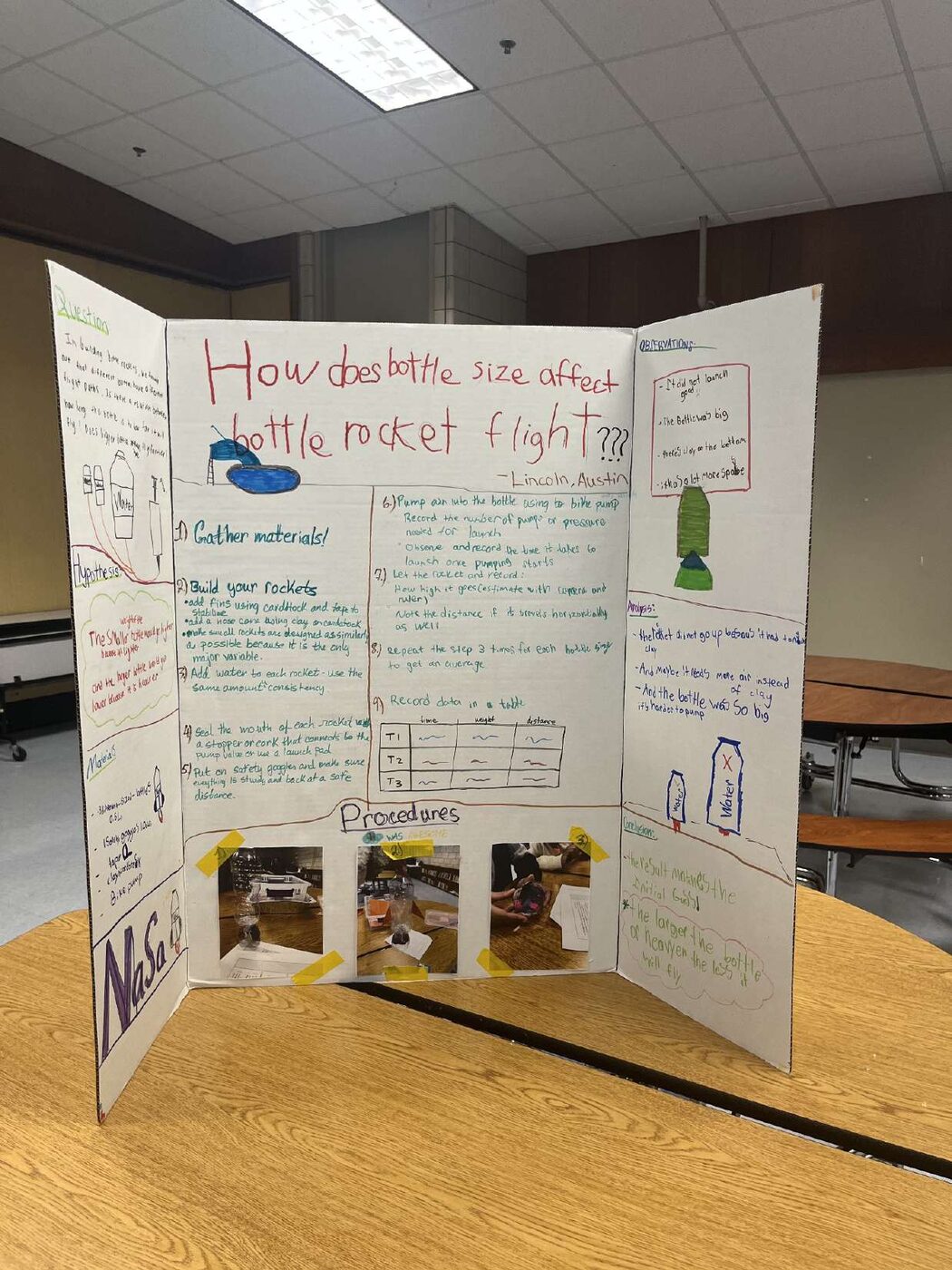
- How do we build the best airplane or rocket?
Six sessions, winter 2025
- Jan 9Research prep
- Jan 16Start the experiment
- Jan 23Conduct research
- Jan 30Finish research
- Feb 13Write the report
- Feb 20Present + spring party
Every session comes with each group’s topic and procedures, a guiding worksheet, and a five-minute fun science activity.
Worksheets
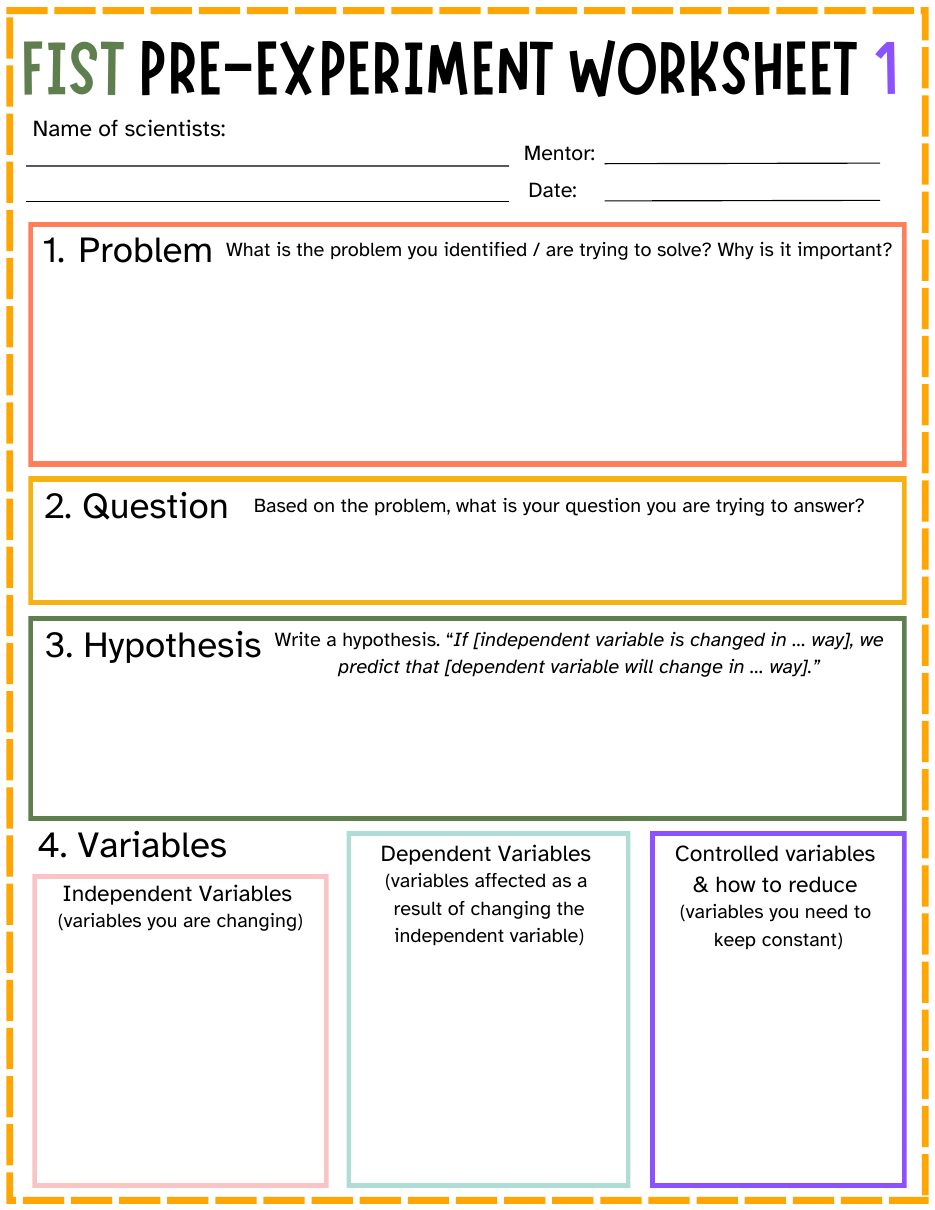
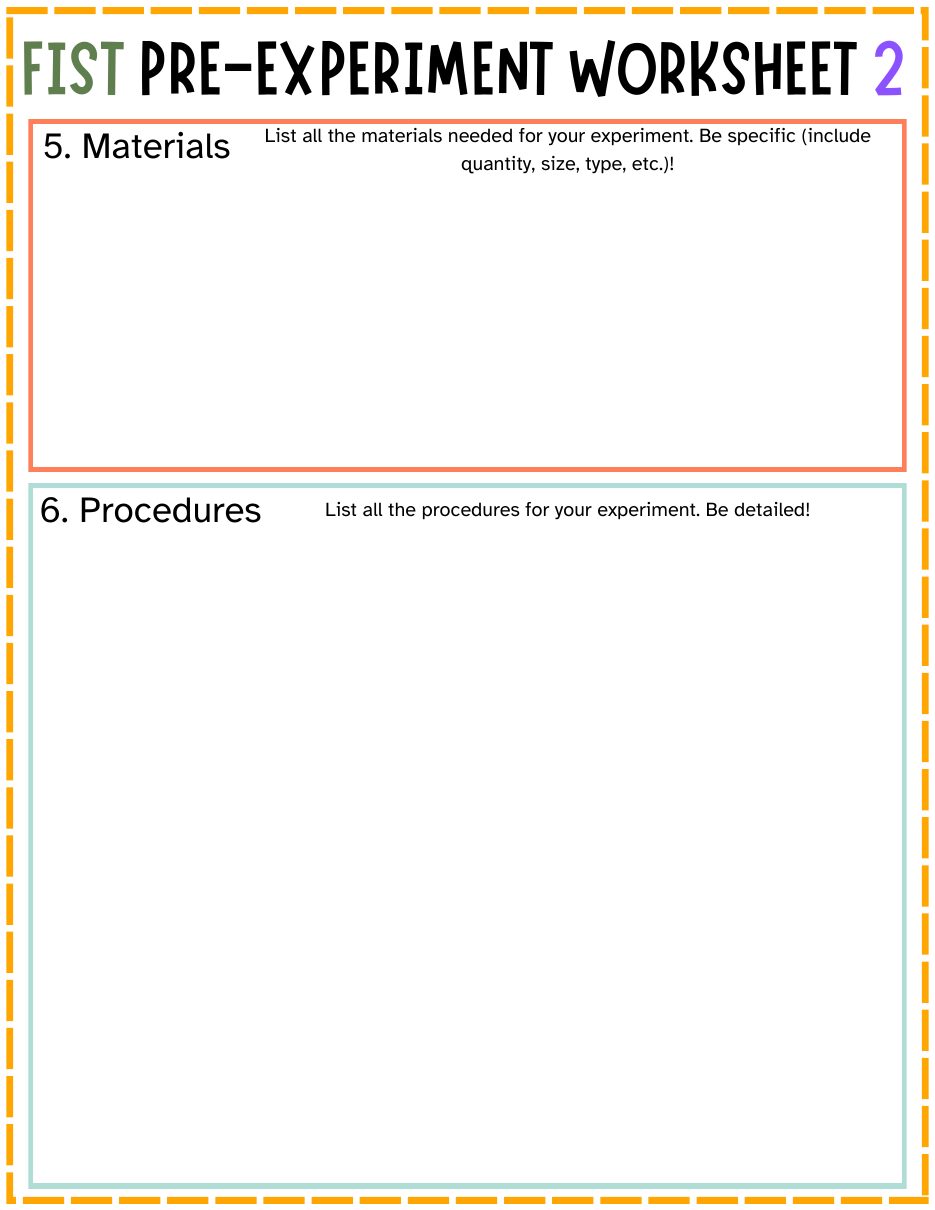
I wrote worksheets that walk students through the scientific method, so every group follows the same steps a real researcher would.
Before
Problem and why it matters, the question, a hypothesis (“If [the independent variable] changes this way, we predict [the dependent variable] will change this way”), the variables, materials and procedures.
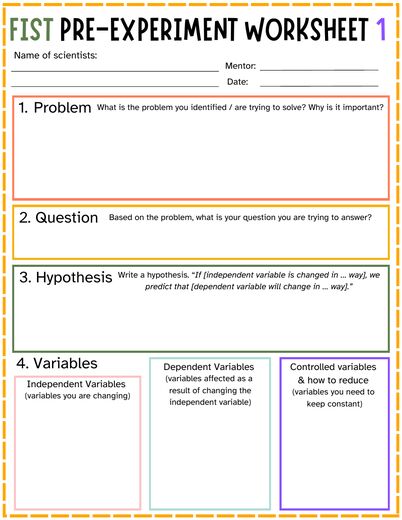
Pre-experiment worksheet, page 1
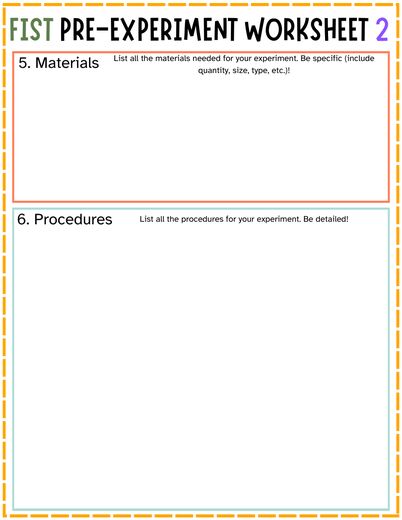
Pre-experiment worksheet, page 2
Pre-experiment worksheet, page 3
During
Lab notes: every observation, recorded as it happens.
After
Visualize the data, compare results to the hypothesis, name sources of error and fixes, and write a conclusion that answers the question and ties back to the problem.
In the sessions
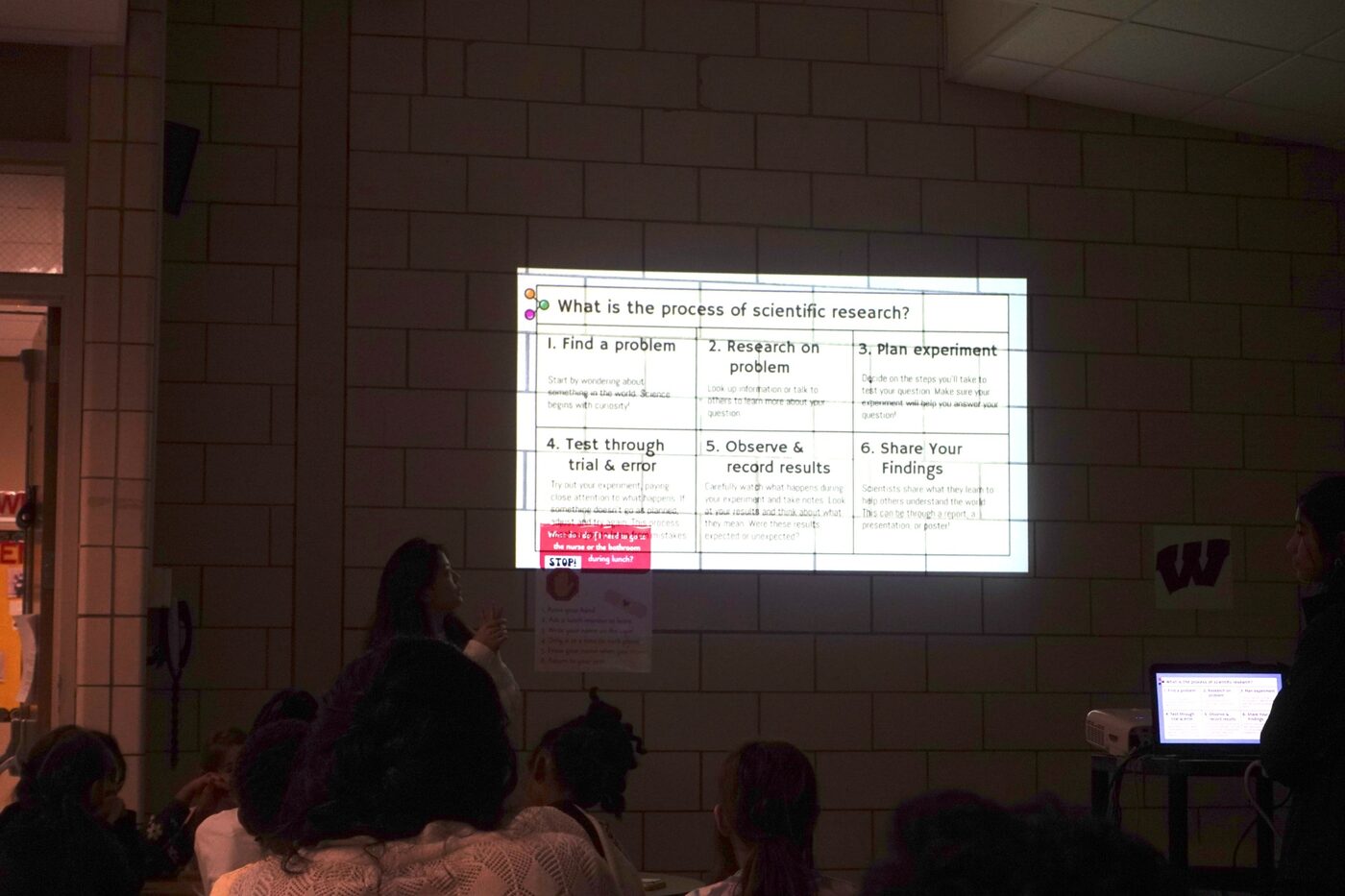
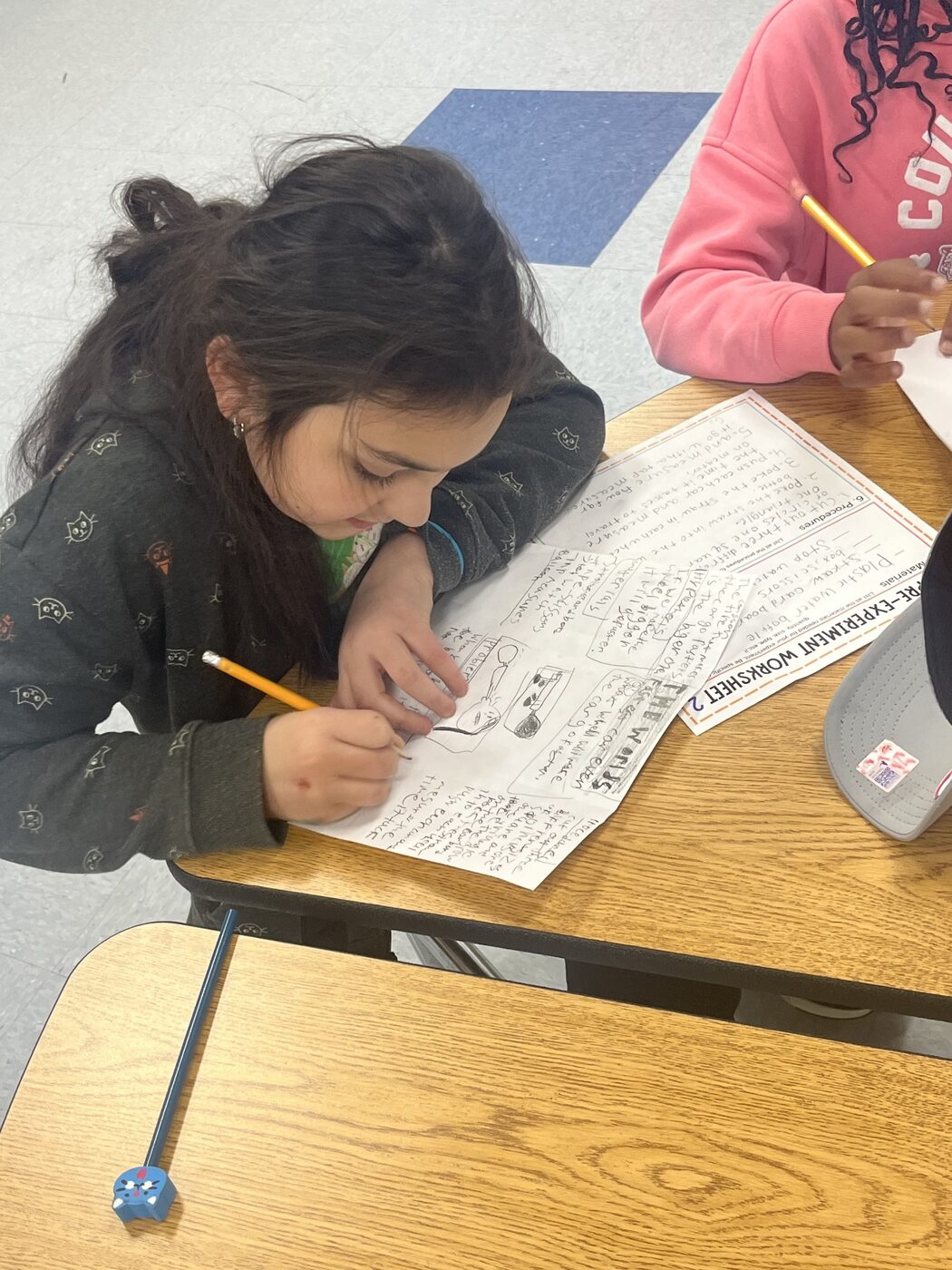
1. Planning the research
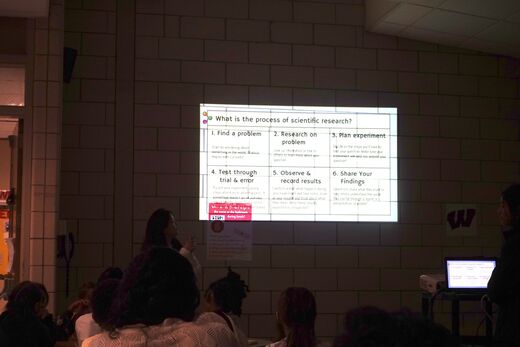
First session: what is scientific research?
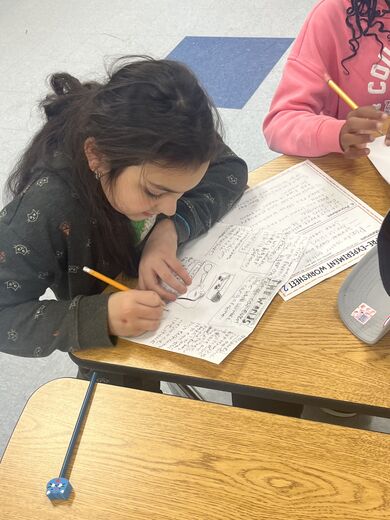
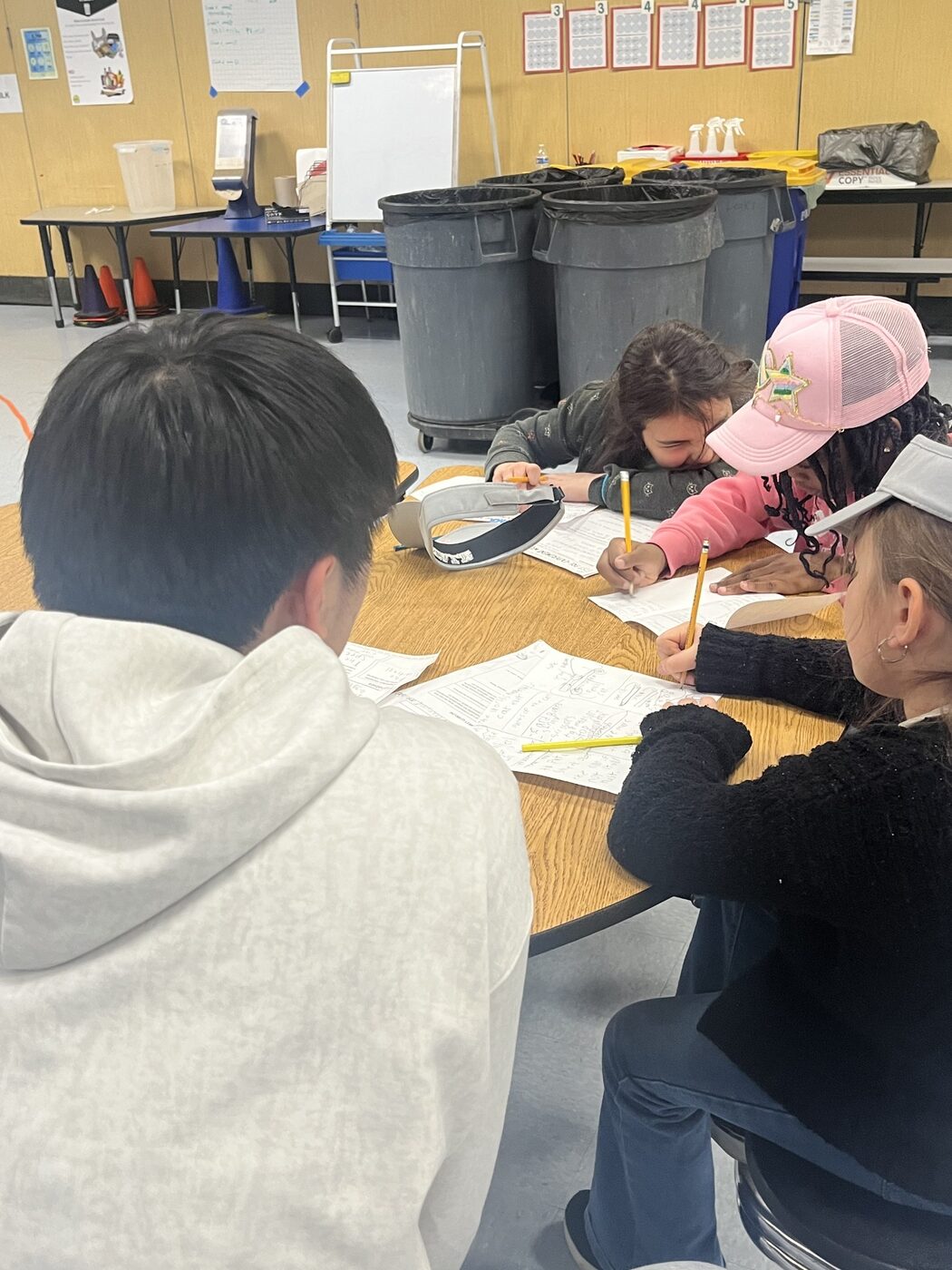
Filling out a pre-experiment worksheet
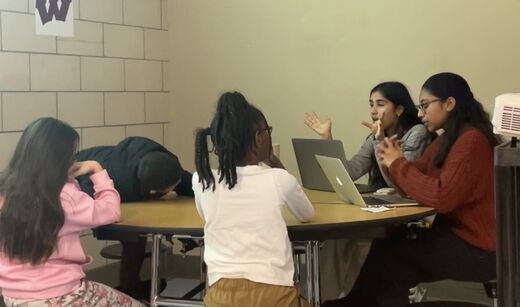
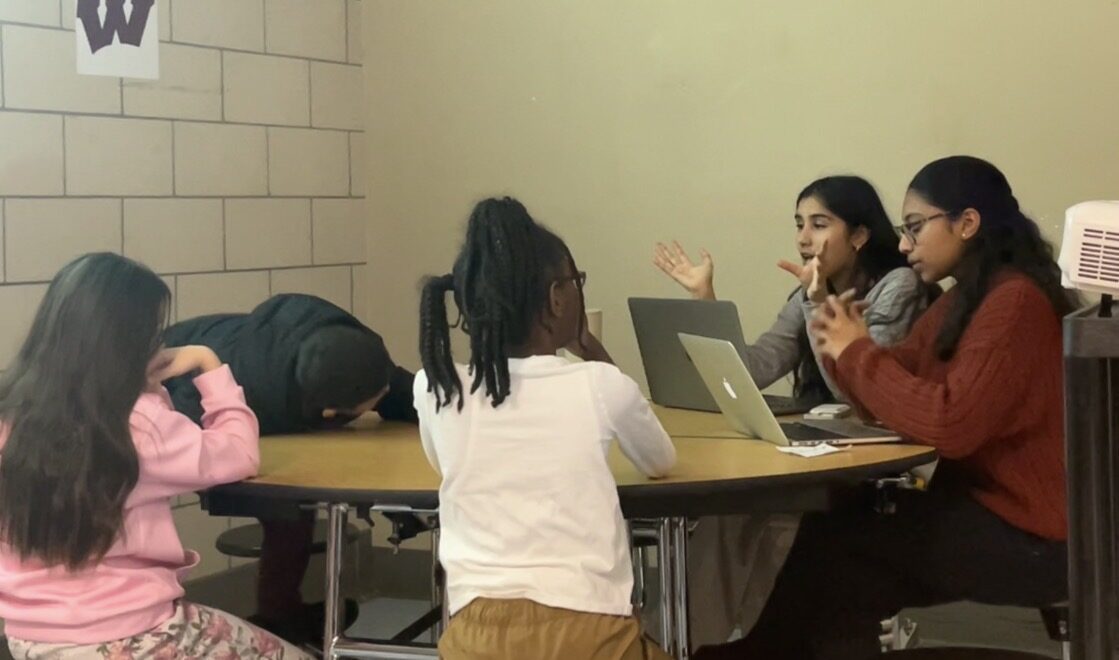
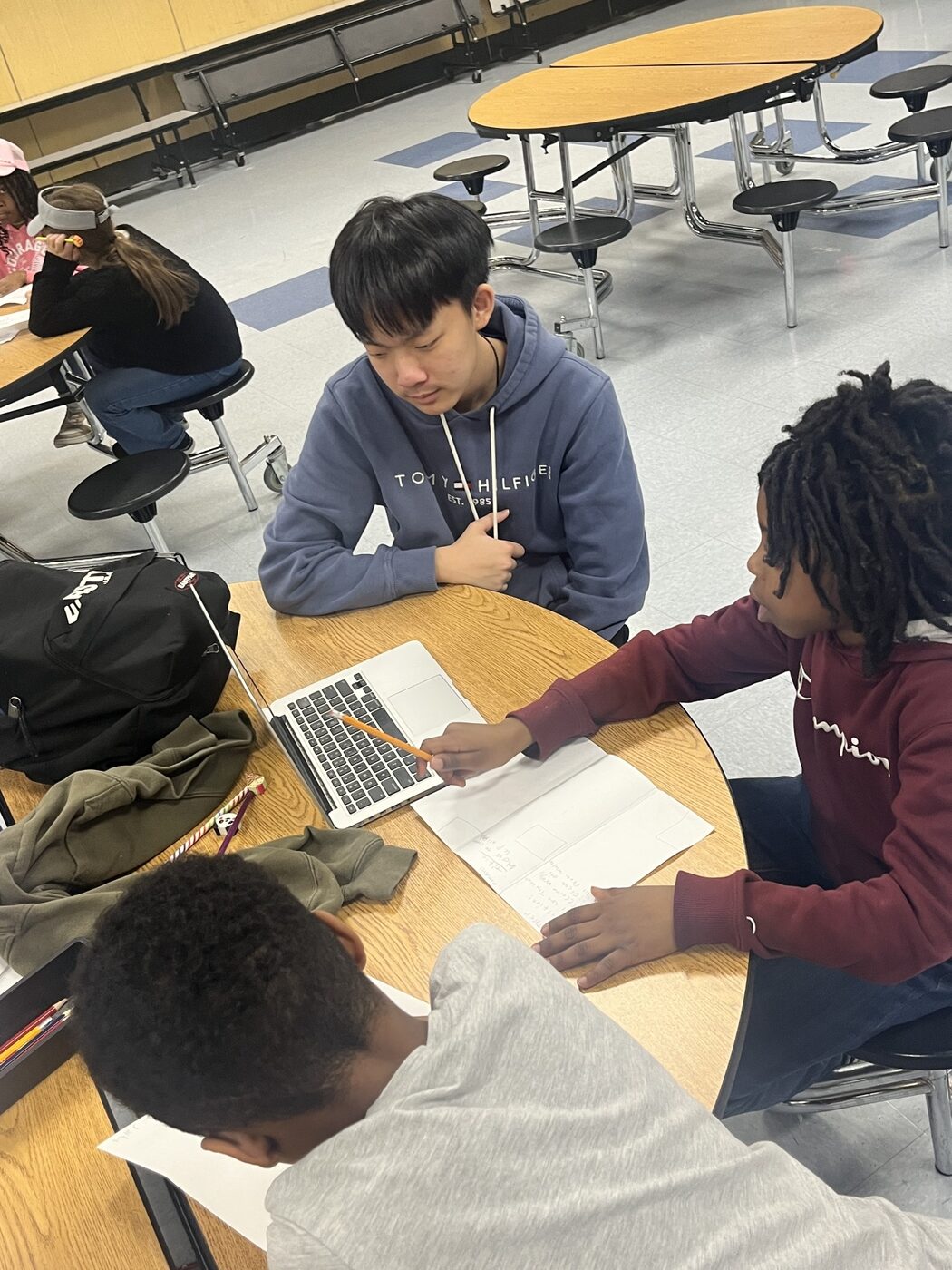
Planning an experiment as a group
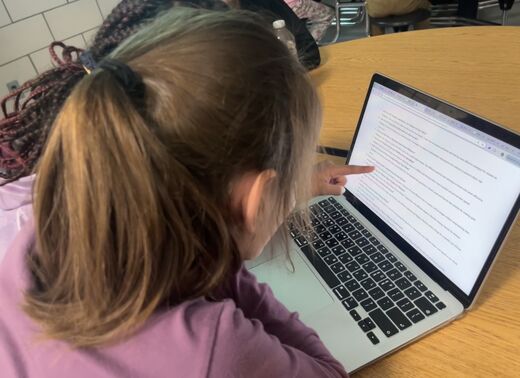
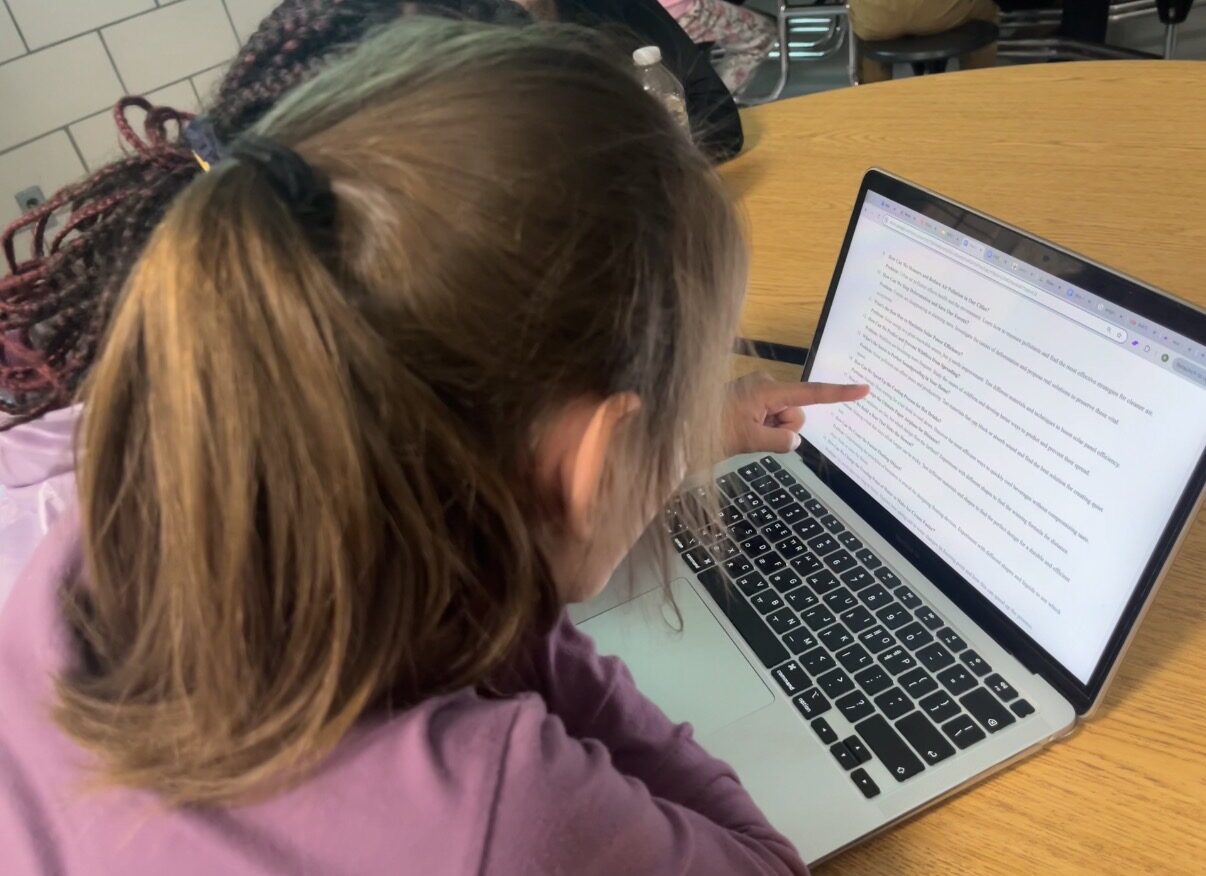
Reading up on a topic
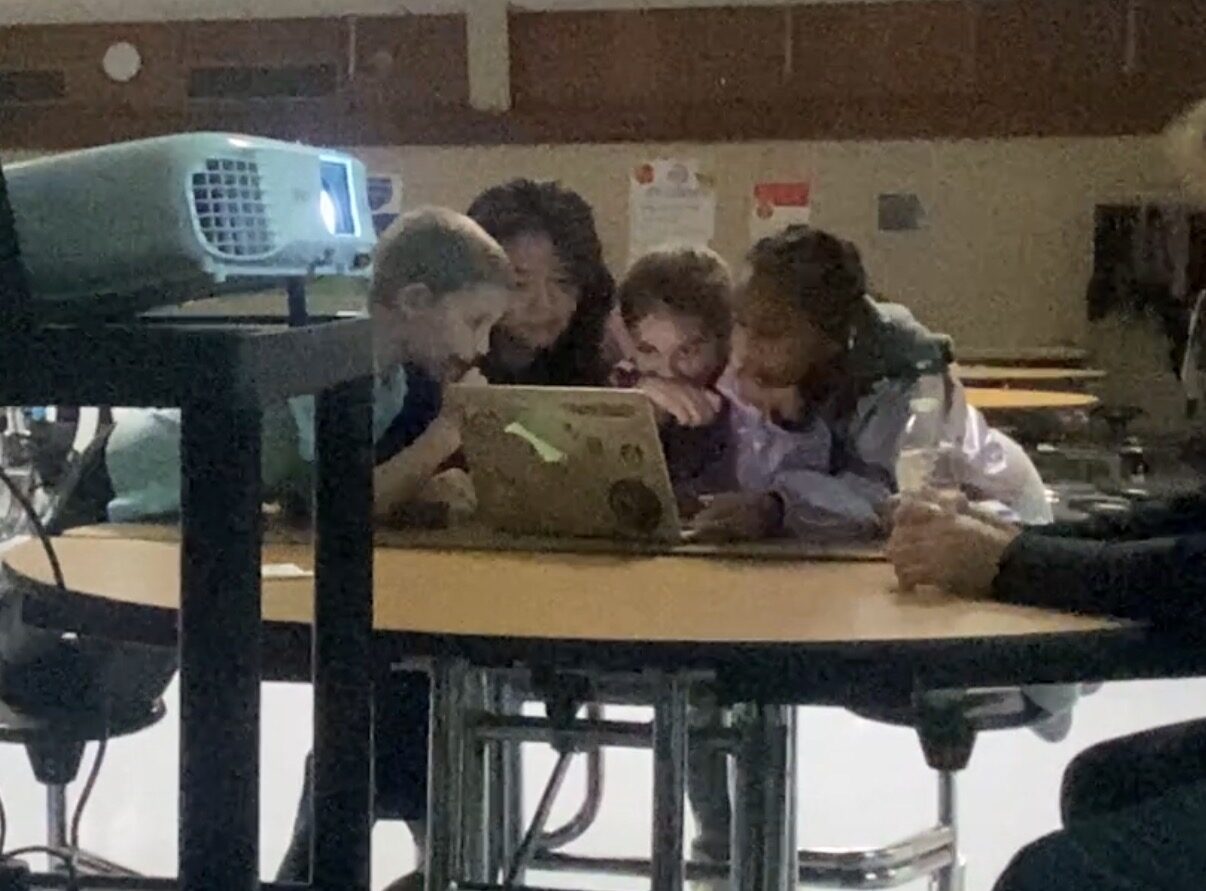
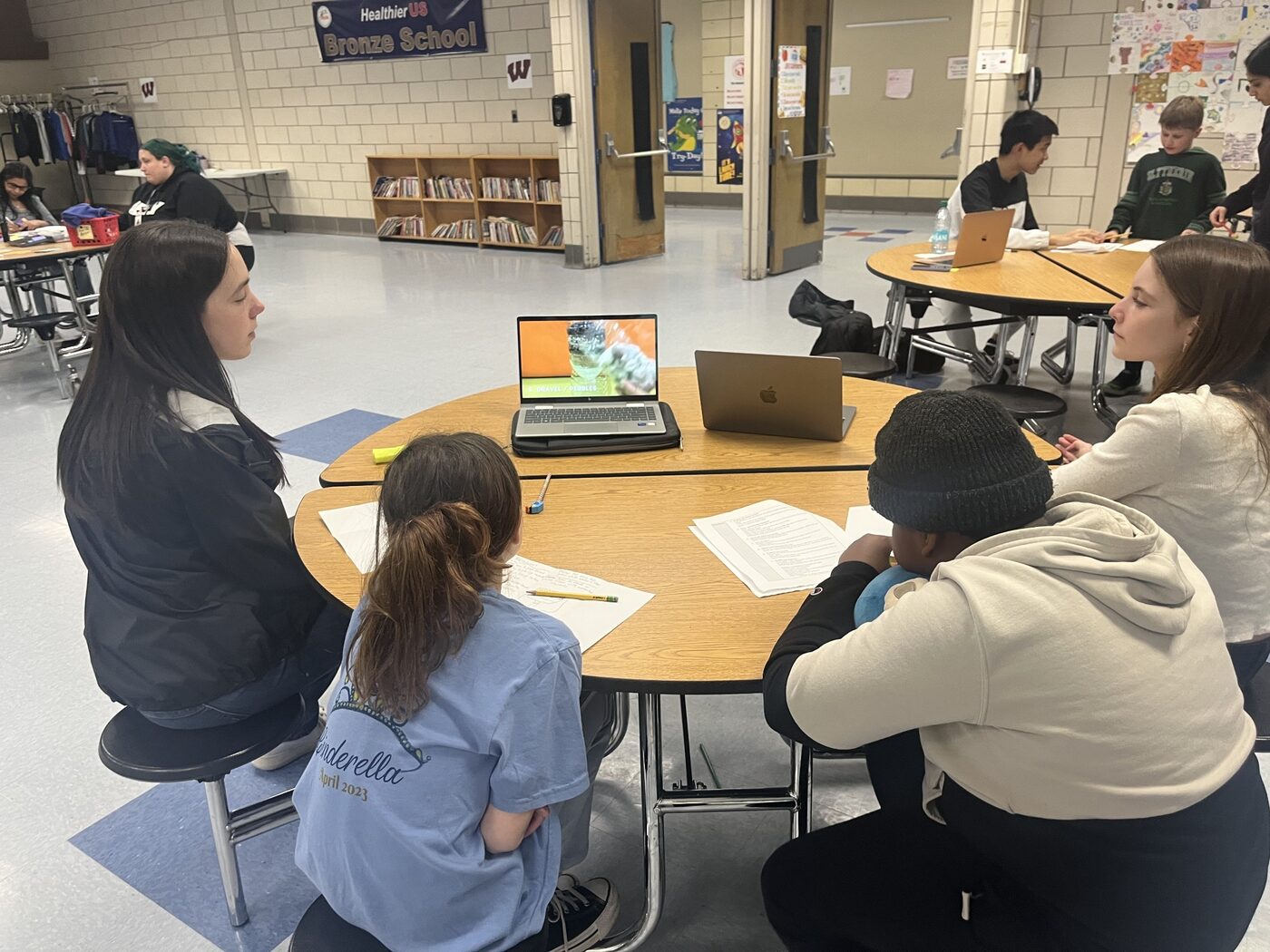
Researching with mentors
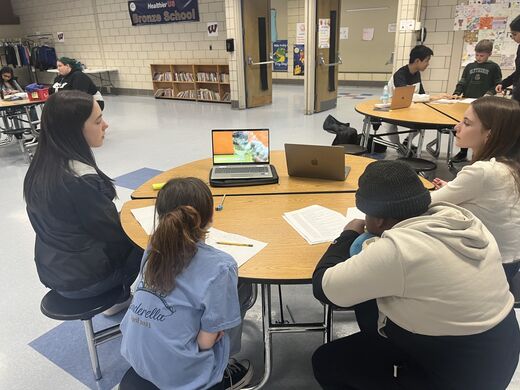
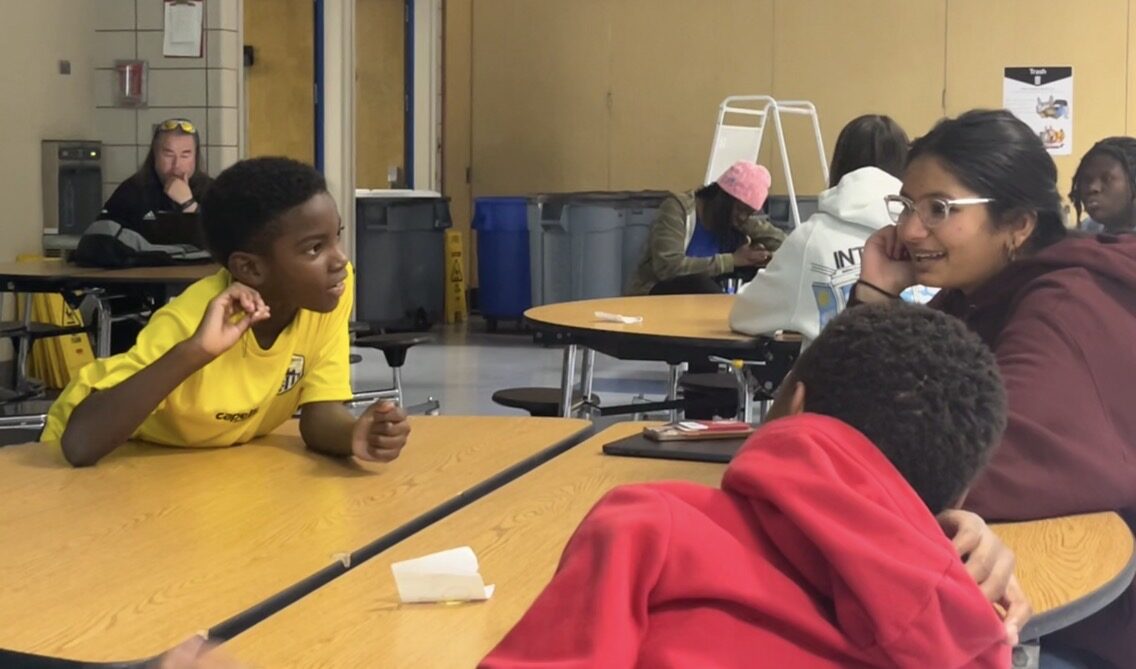
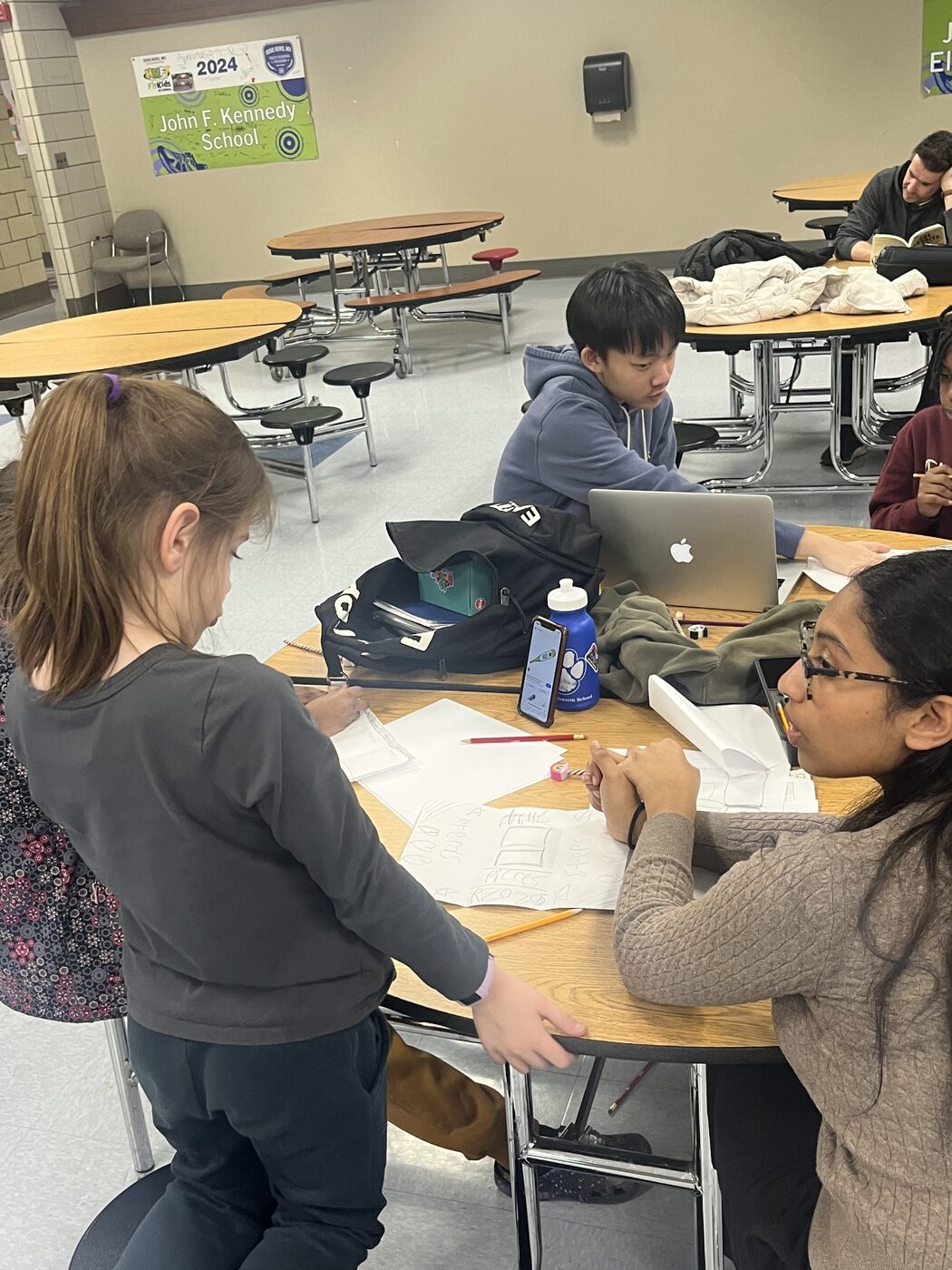
Mentors and students at work
2. Running the experiments
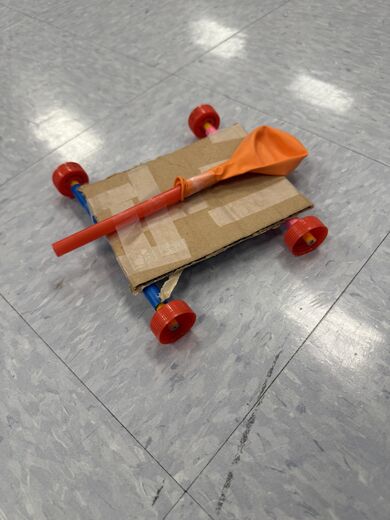
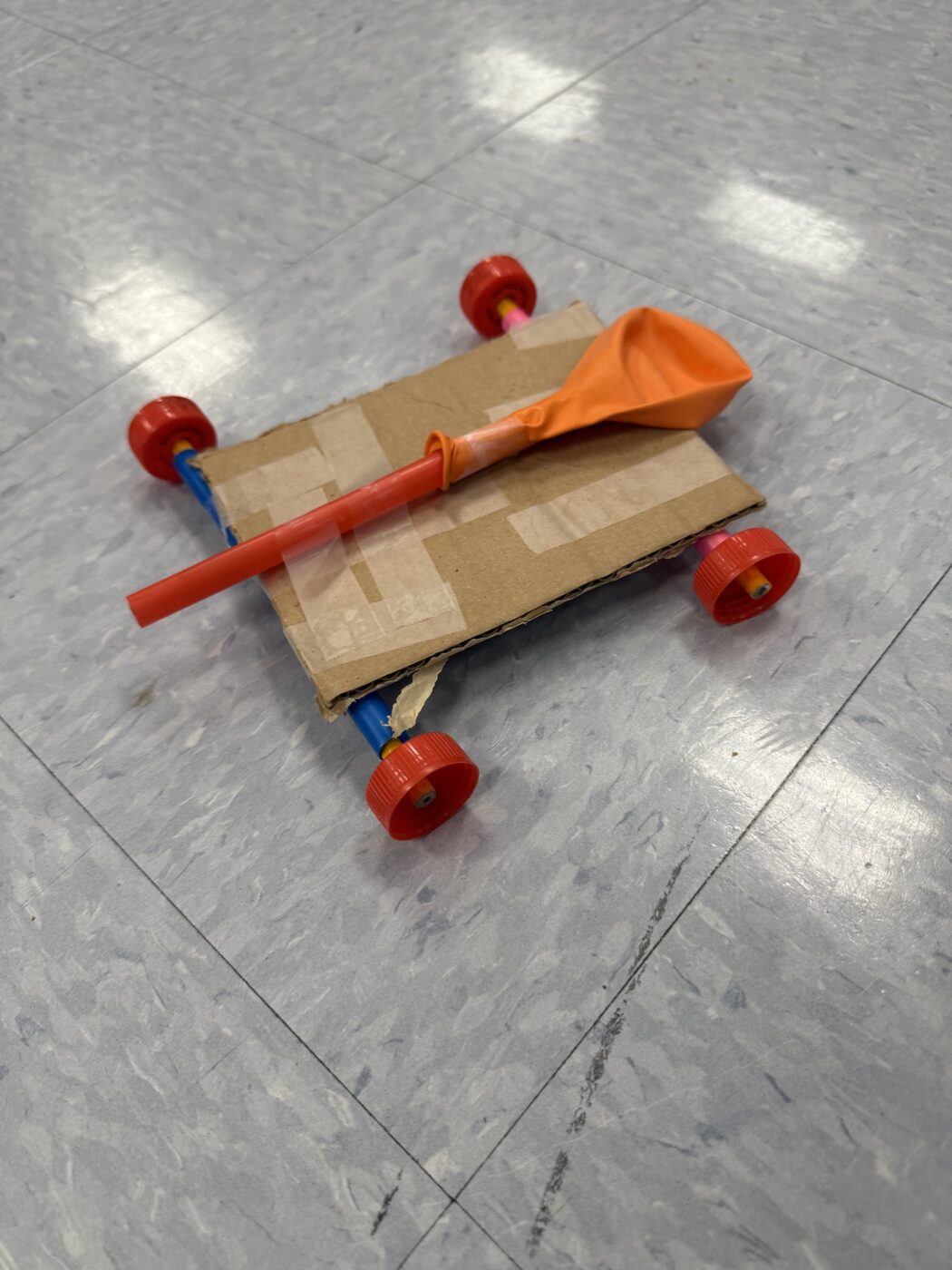
A balloon-powered car
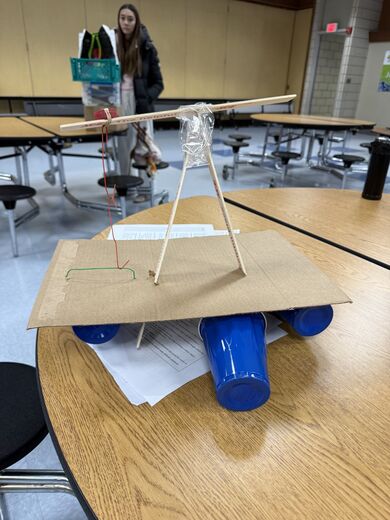
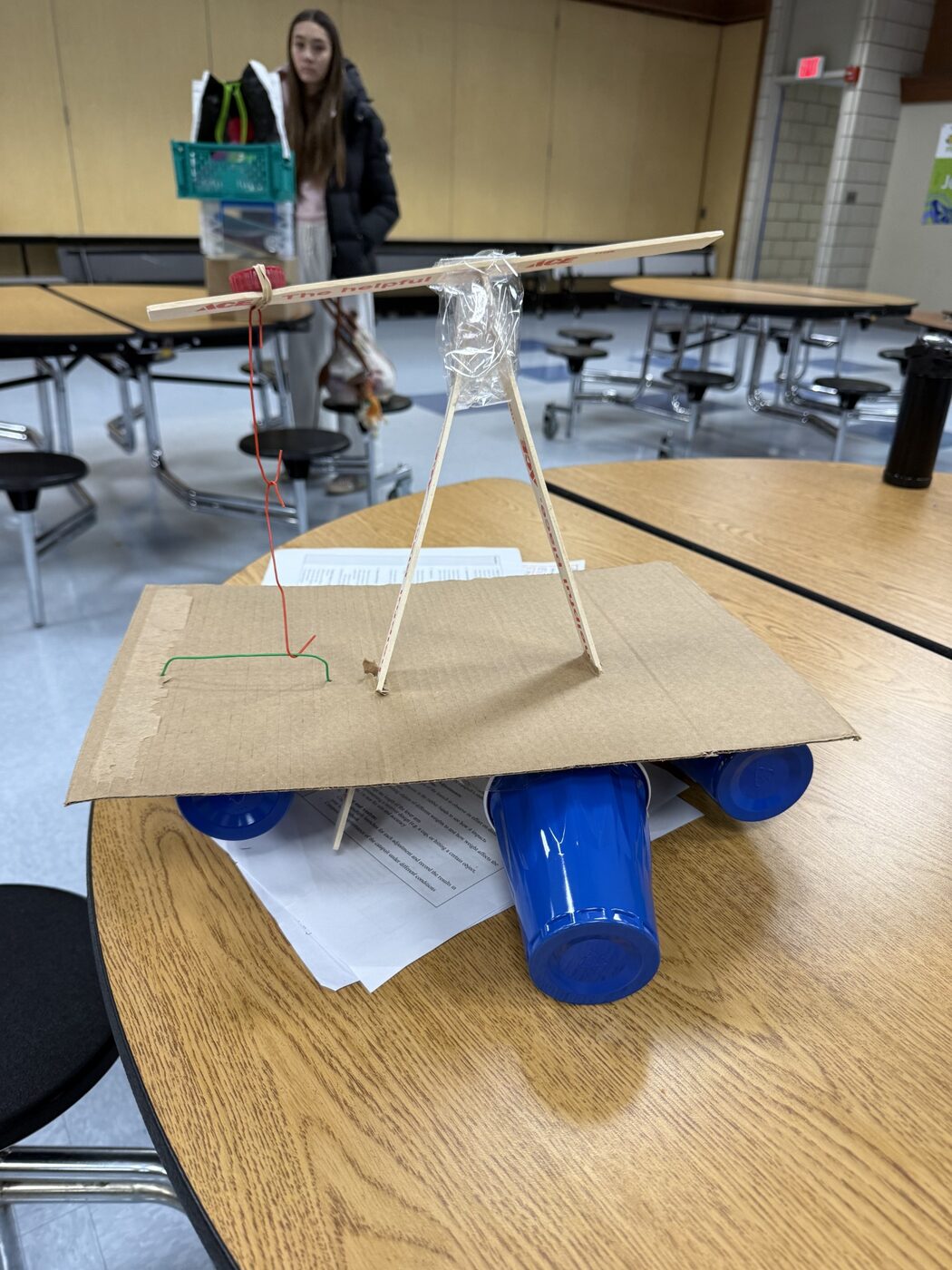
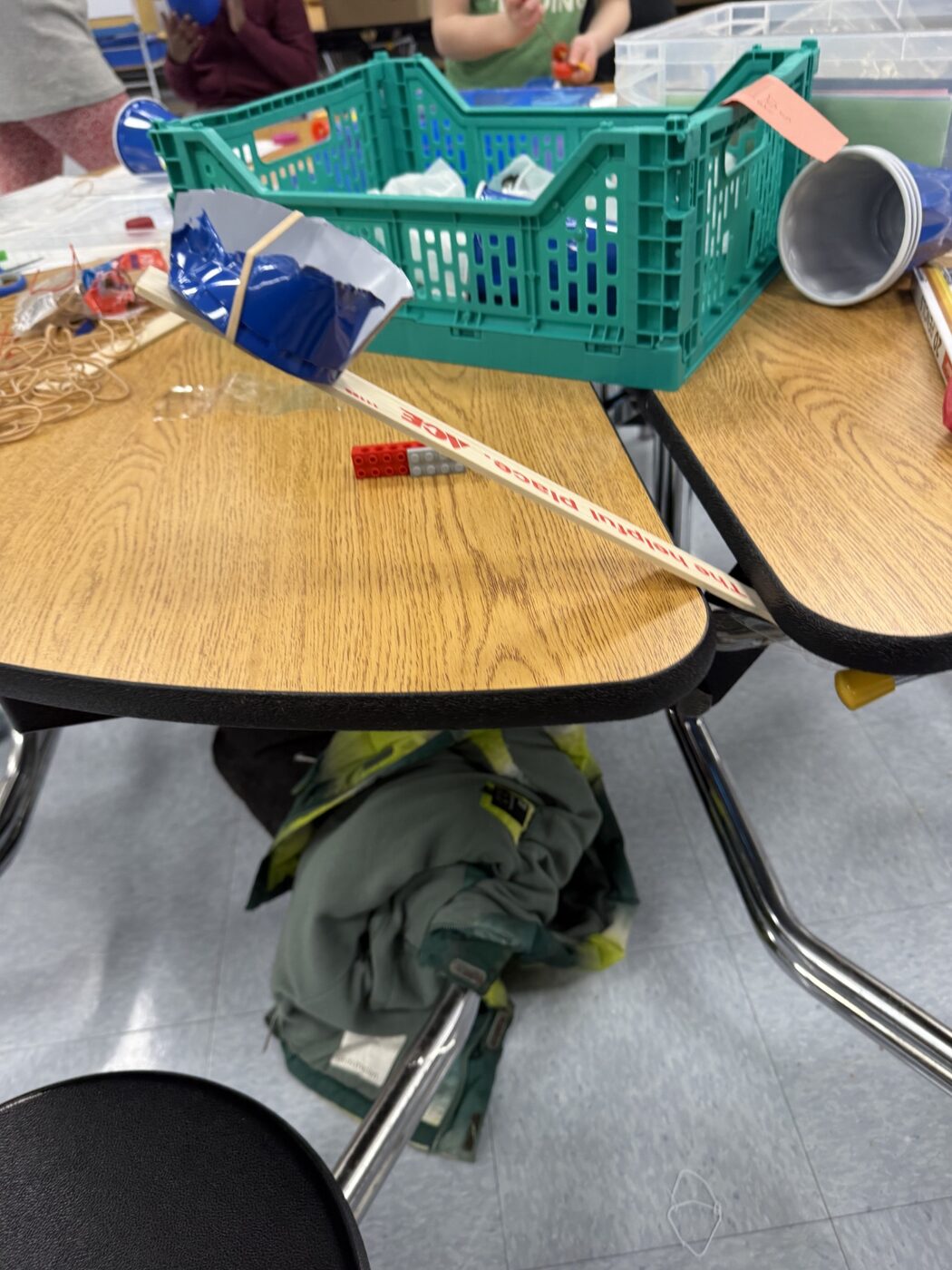
Testing a catapult design
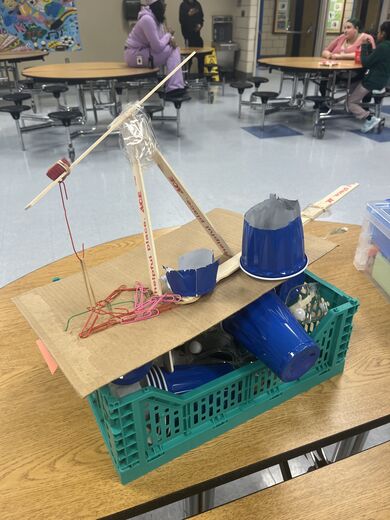
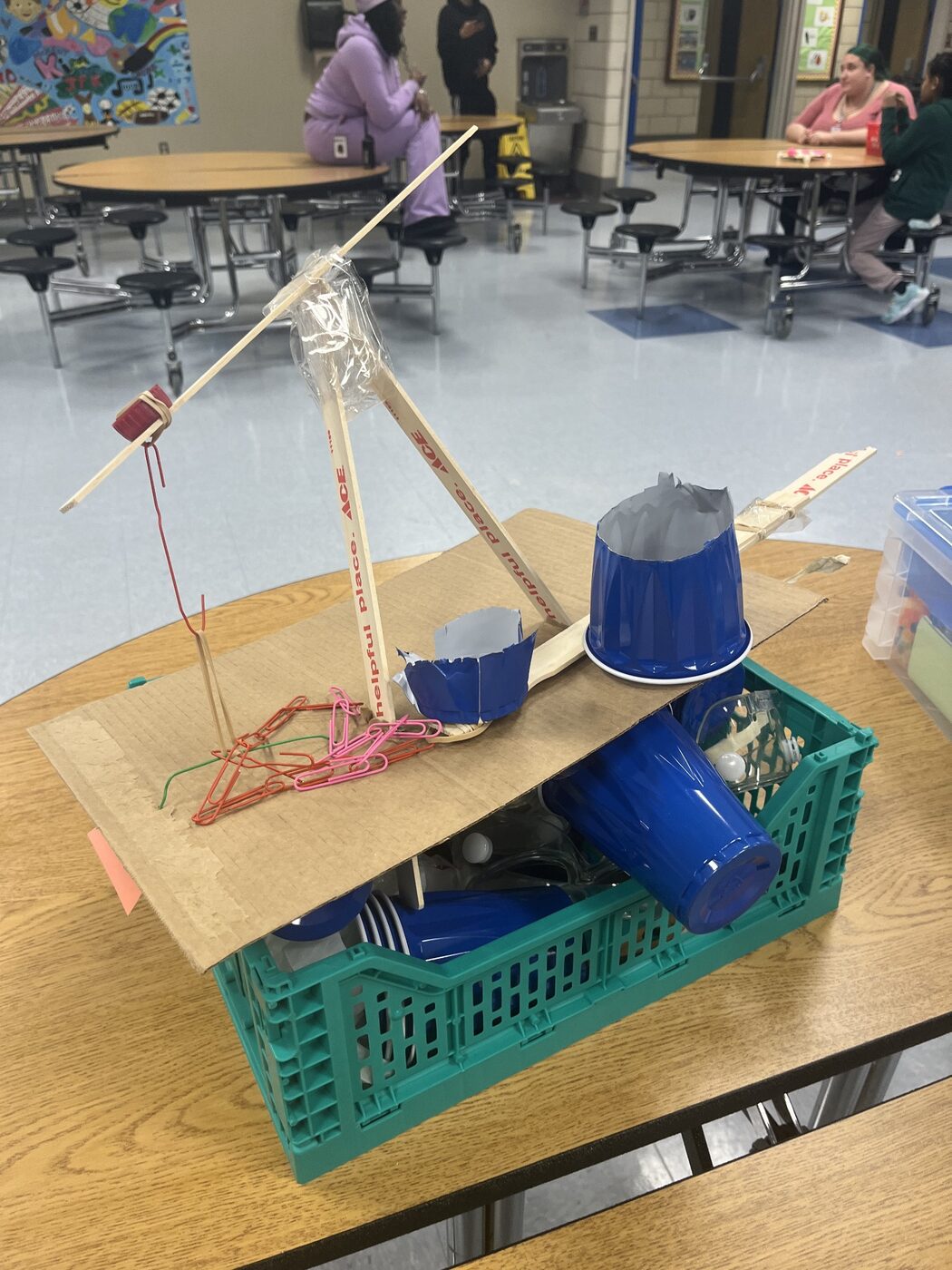
A catapult built on a milk crate
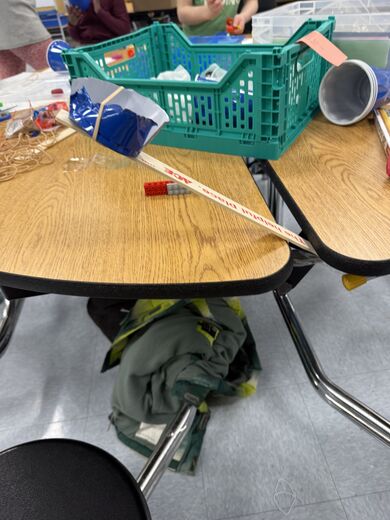
Catapult materials and launch arm
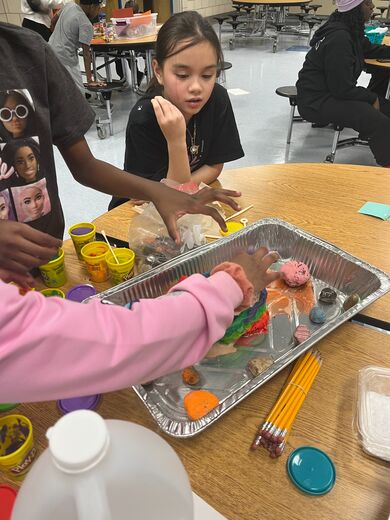
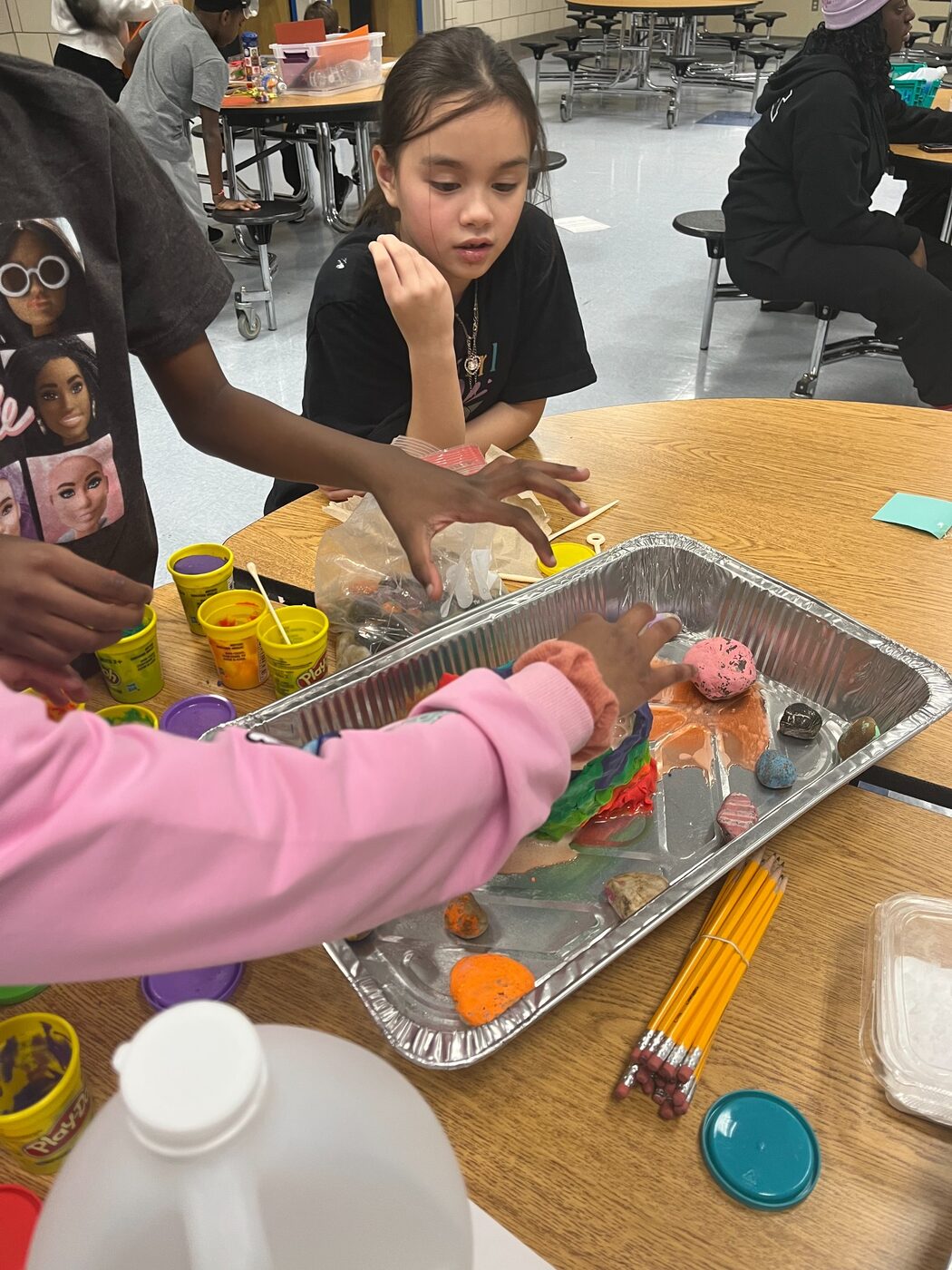
Testing structures against “lava”
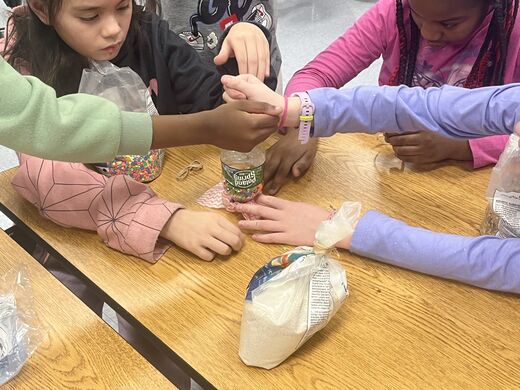
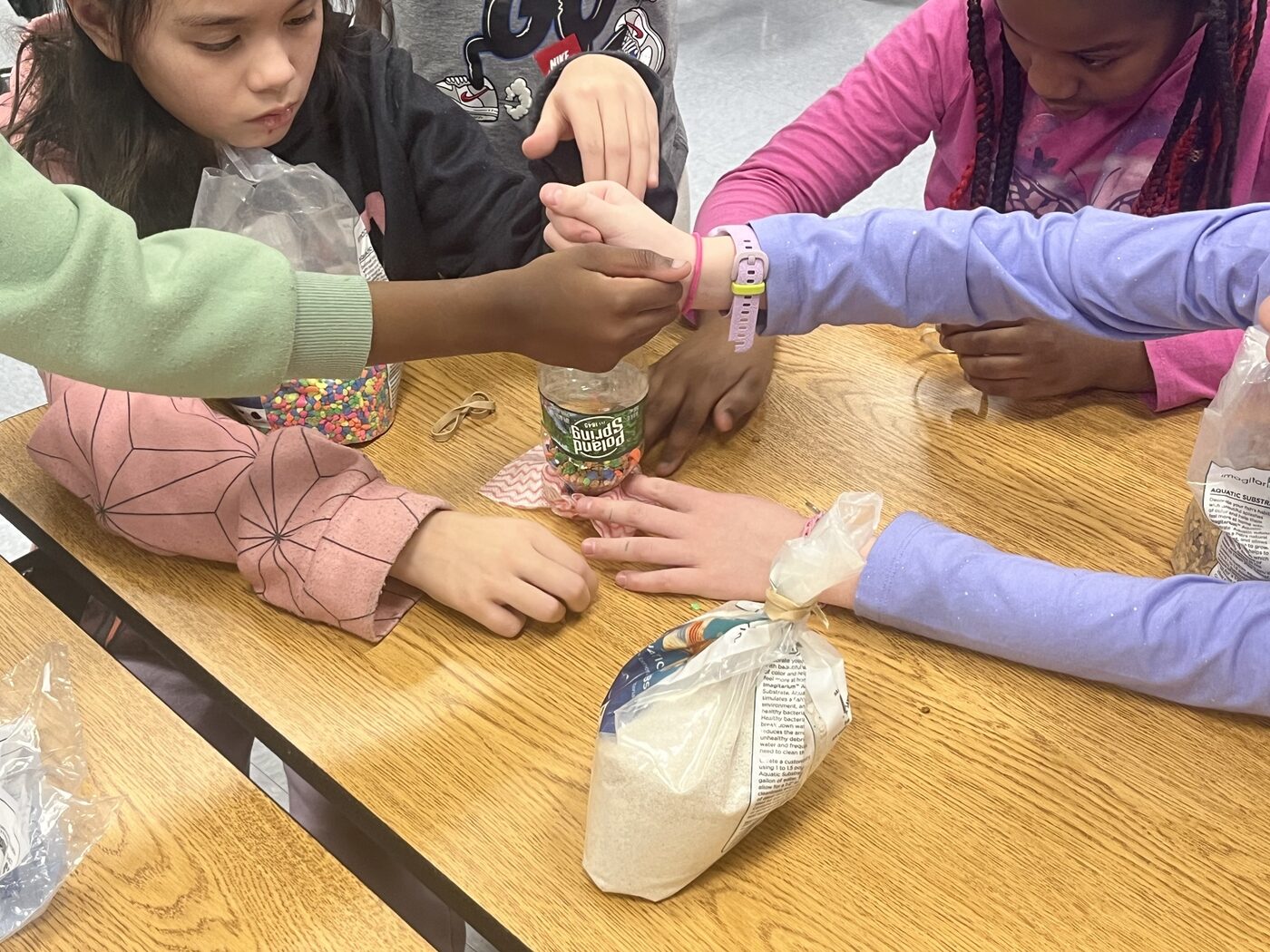
Building a water filter
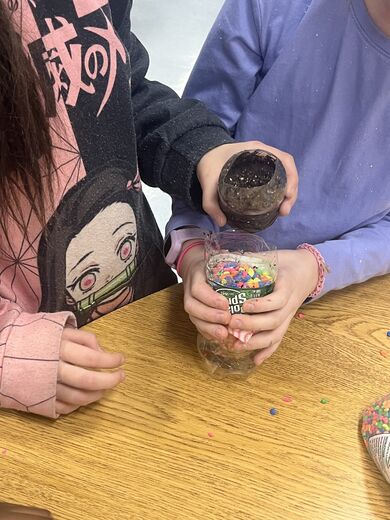
Layering a water filter in a jar
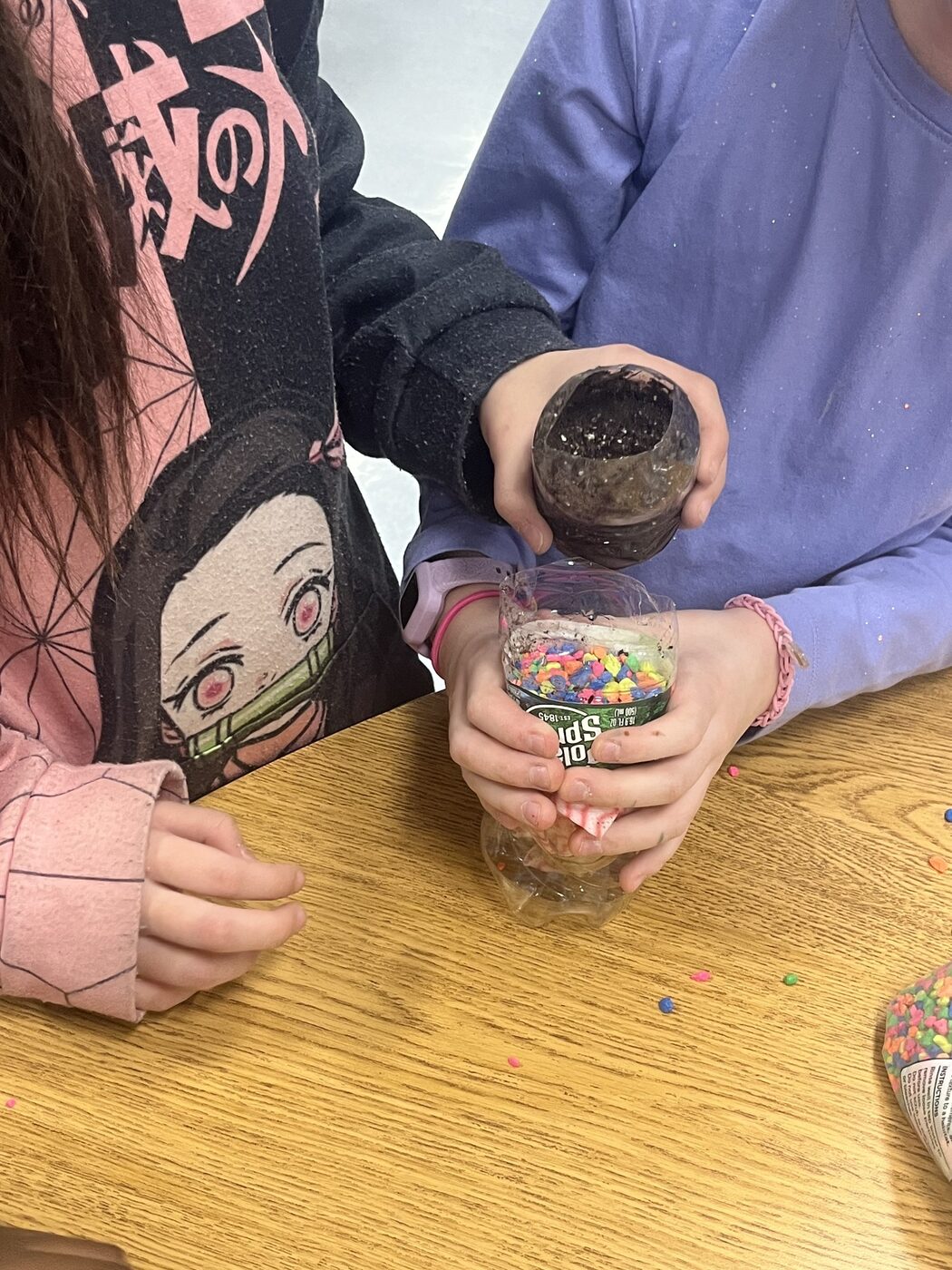
3. Analyzing and writing up
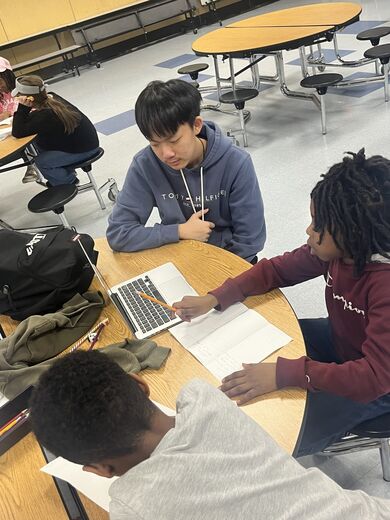
Recording lab notes
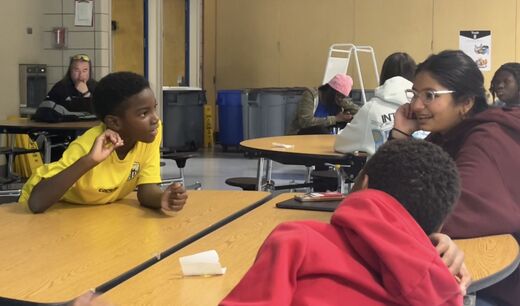
Talking through results
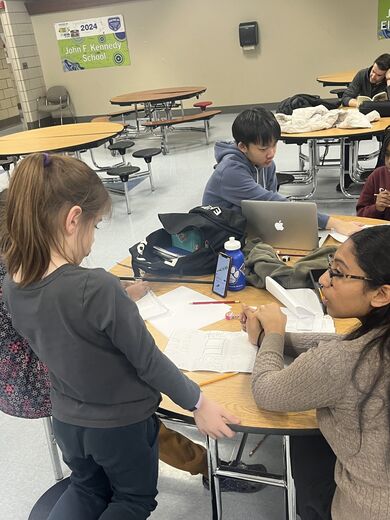
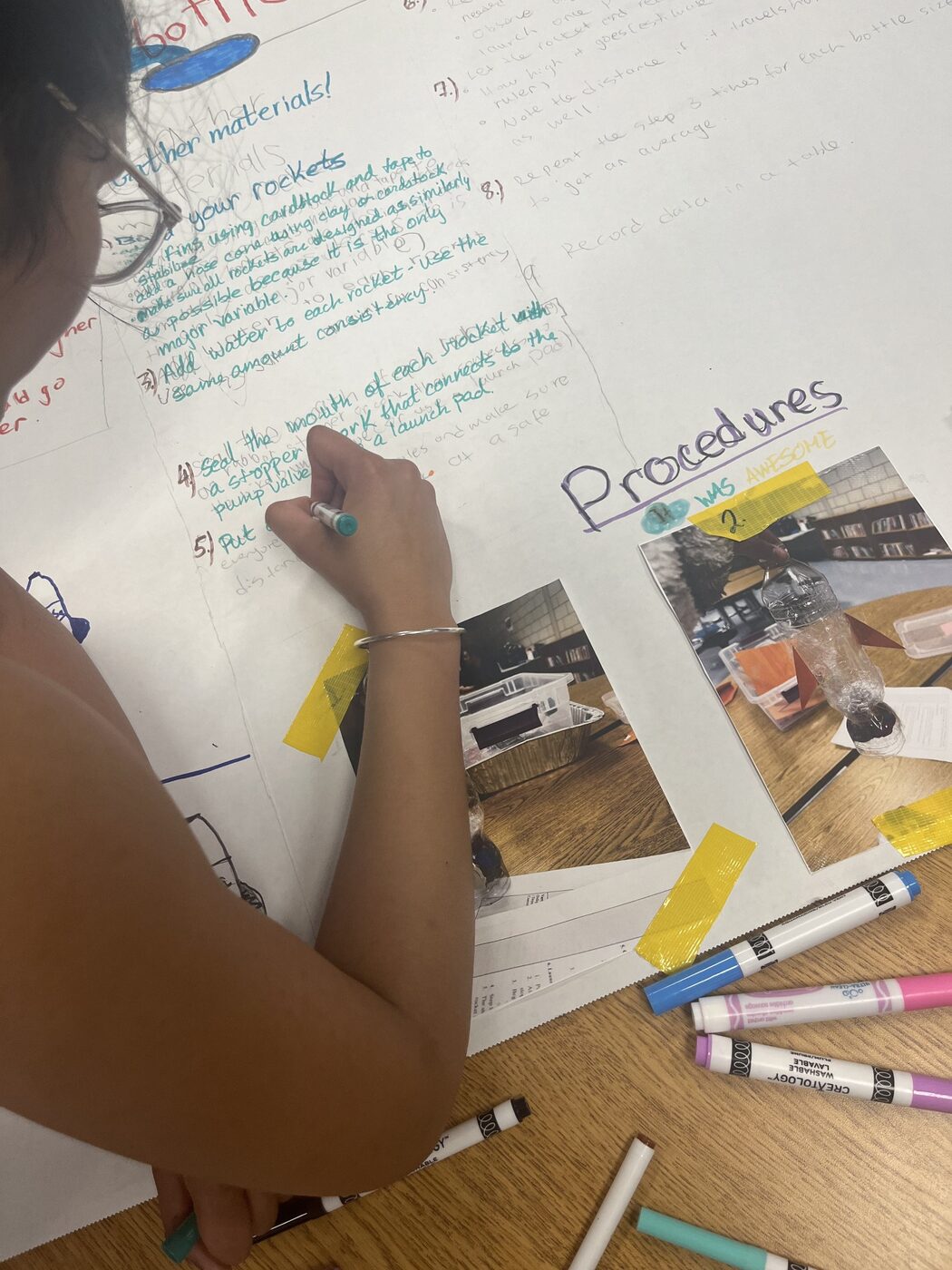
Writing up procedures
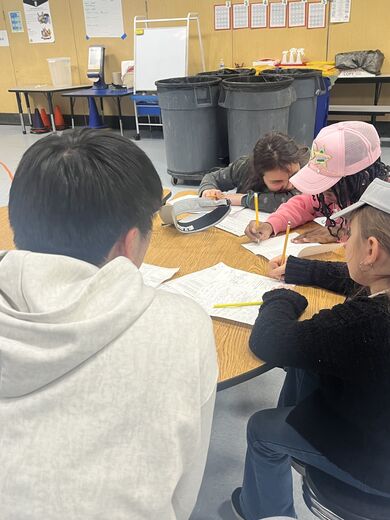
Group work
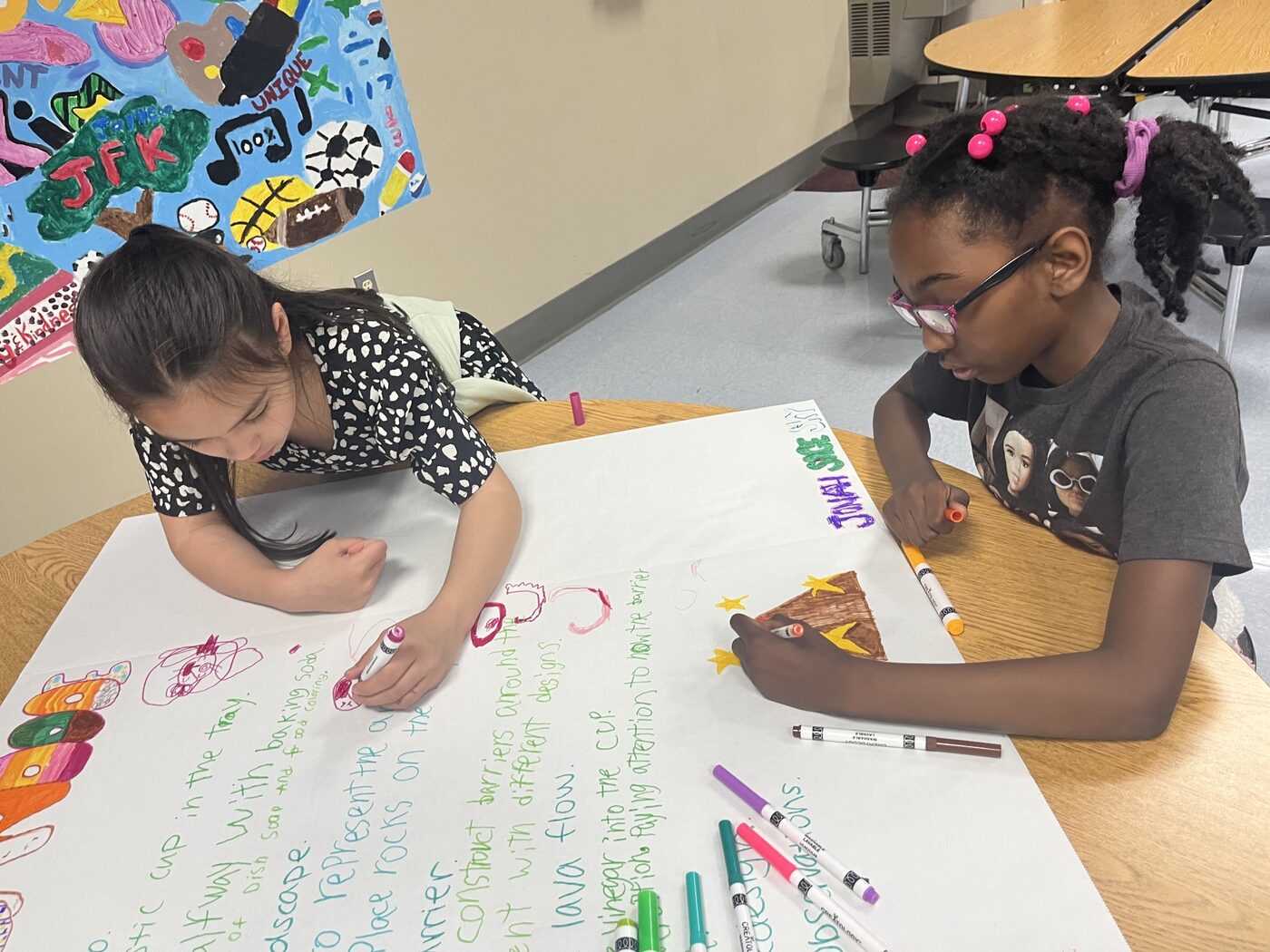
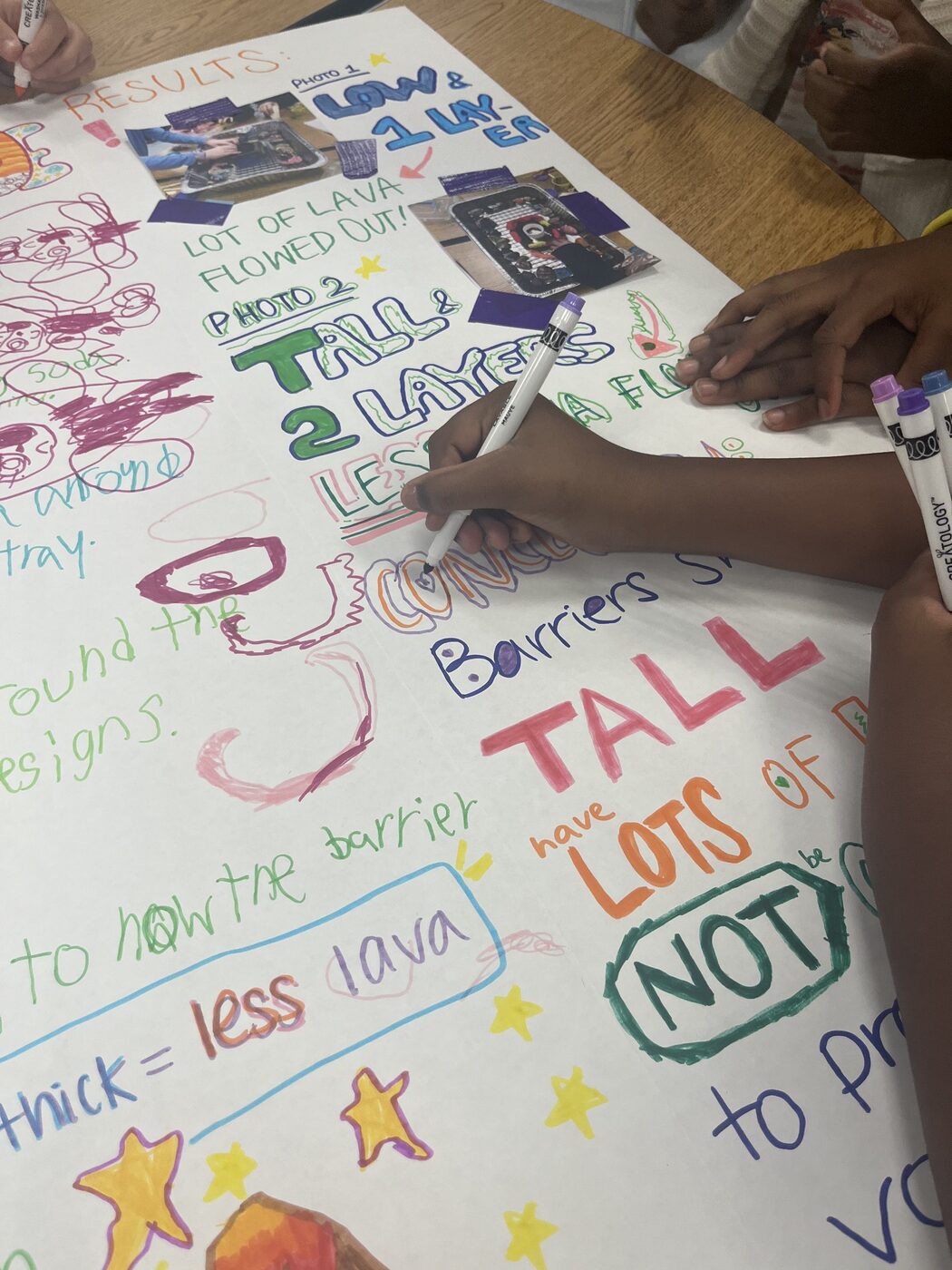
4. Making the posters
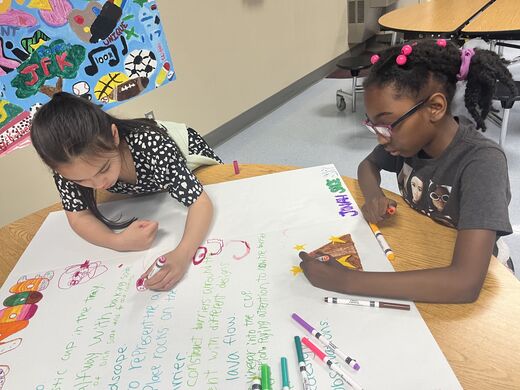
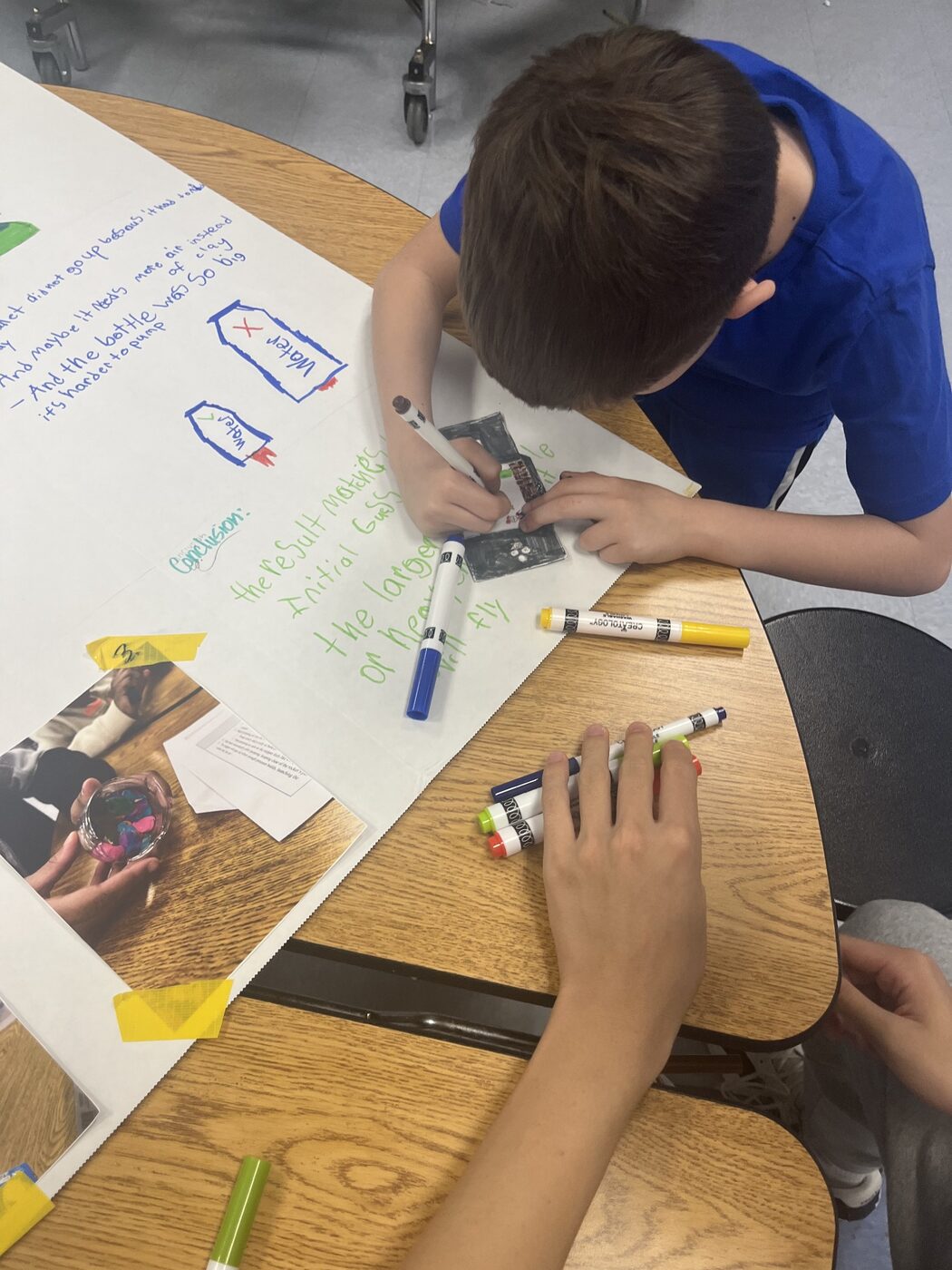
Starting a poster
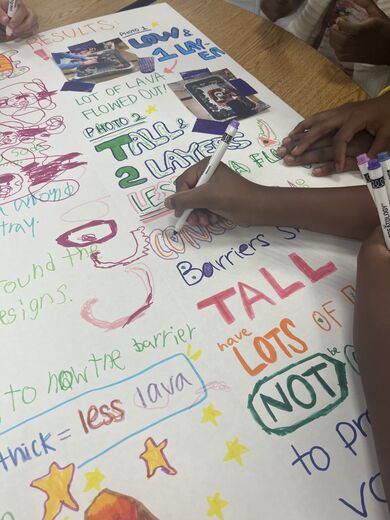
“Tall, 2 layers, lots of barriers”: a flood-and-lava structure poster
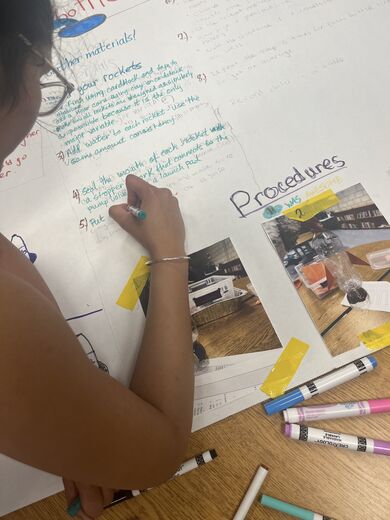
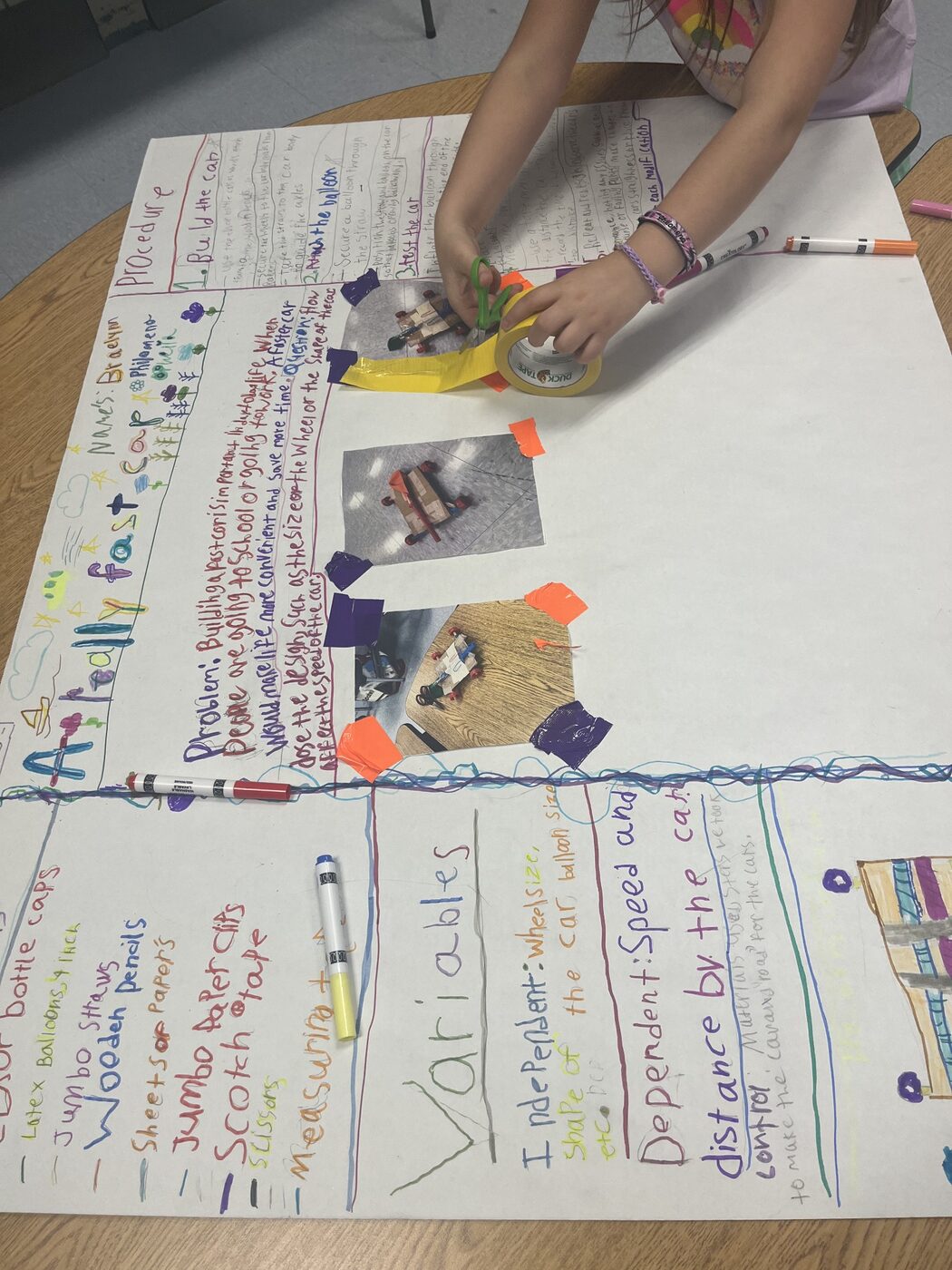
Adding procedures and photos
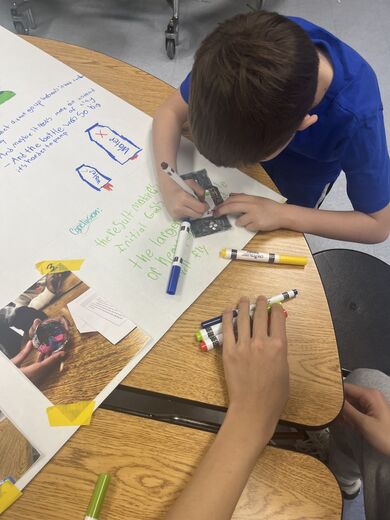
Laying out a poster
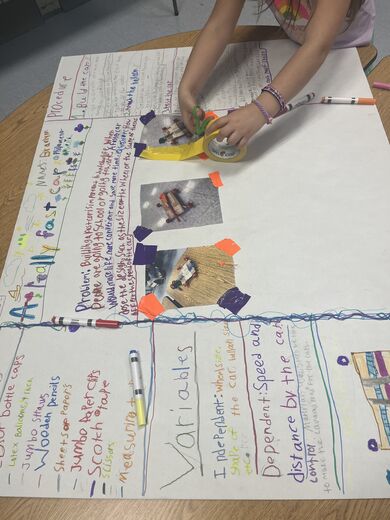
Variables, results and photos come together
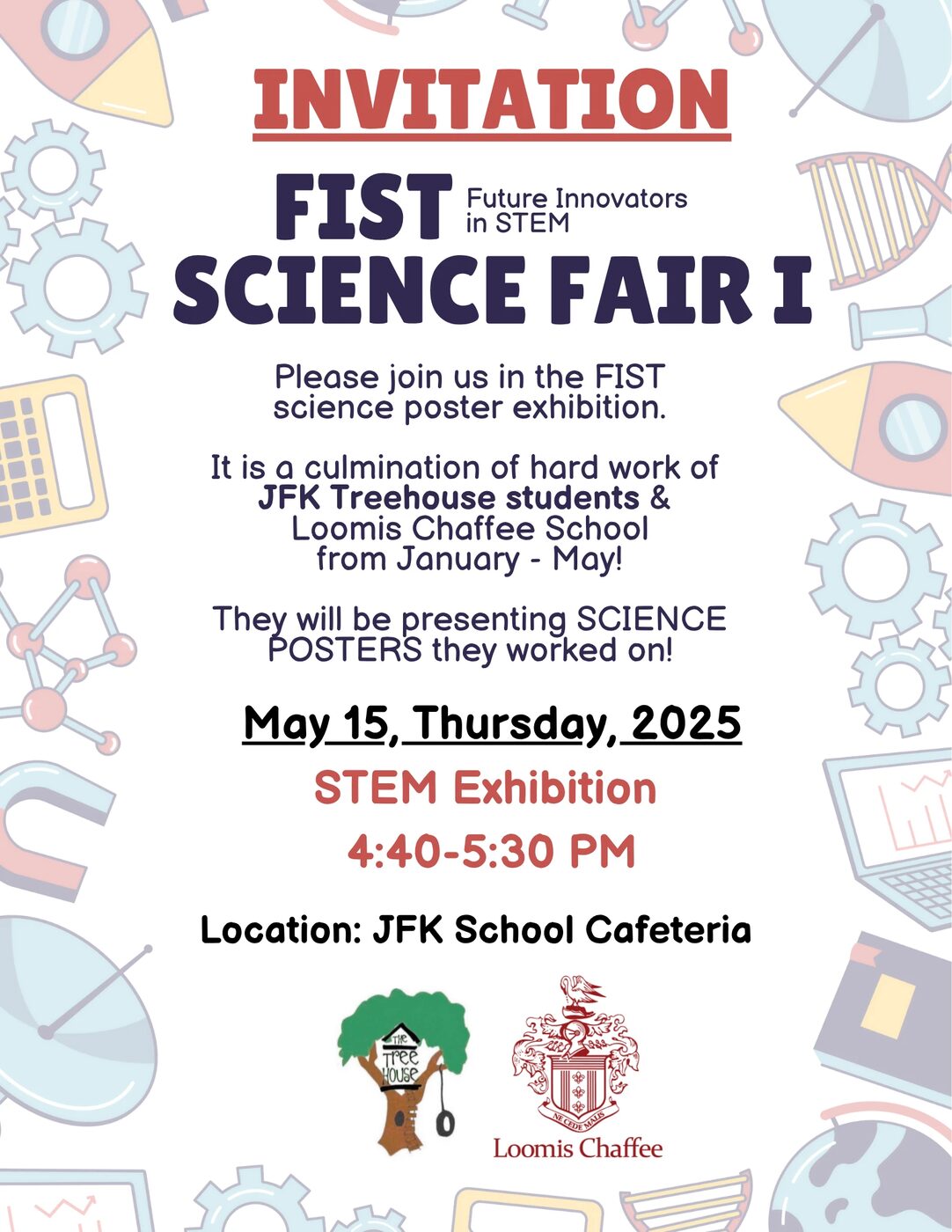
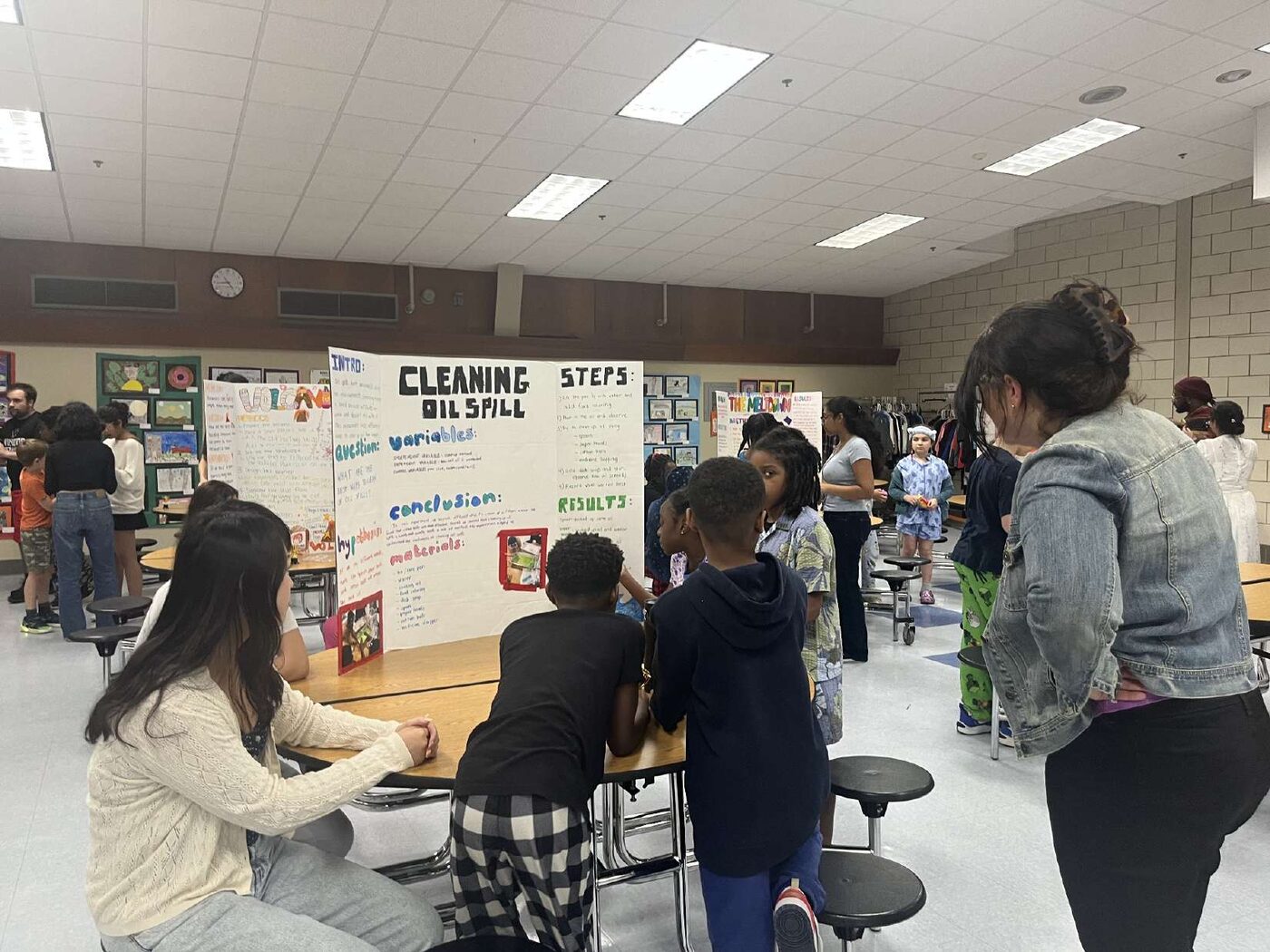
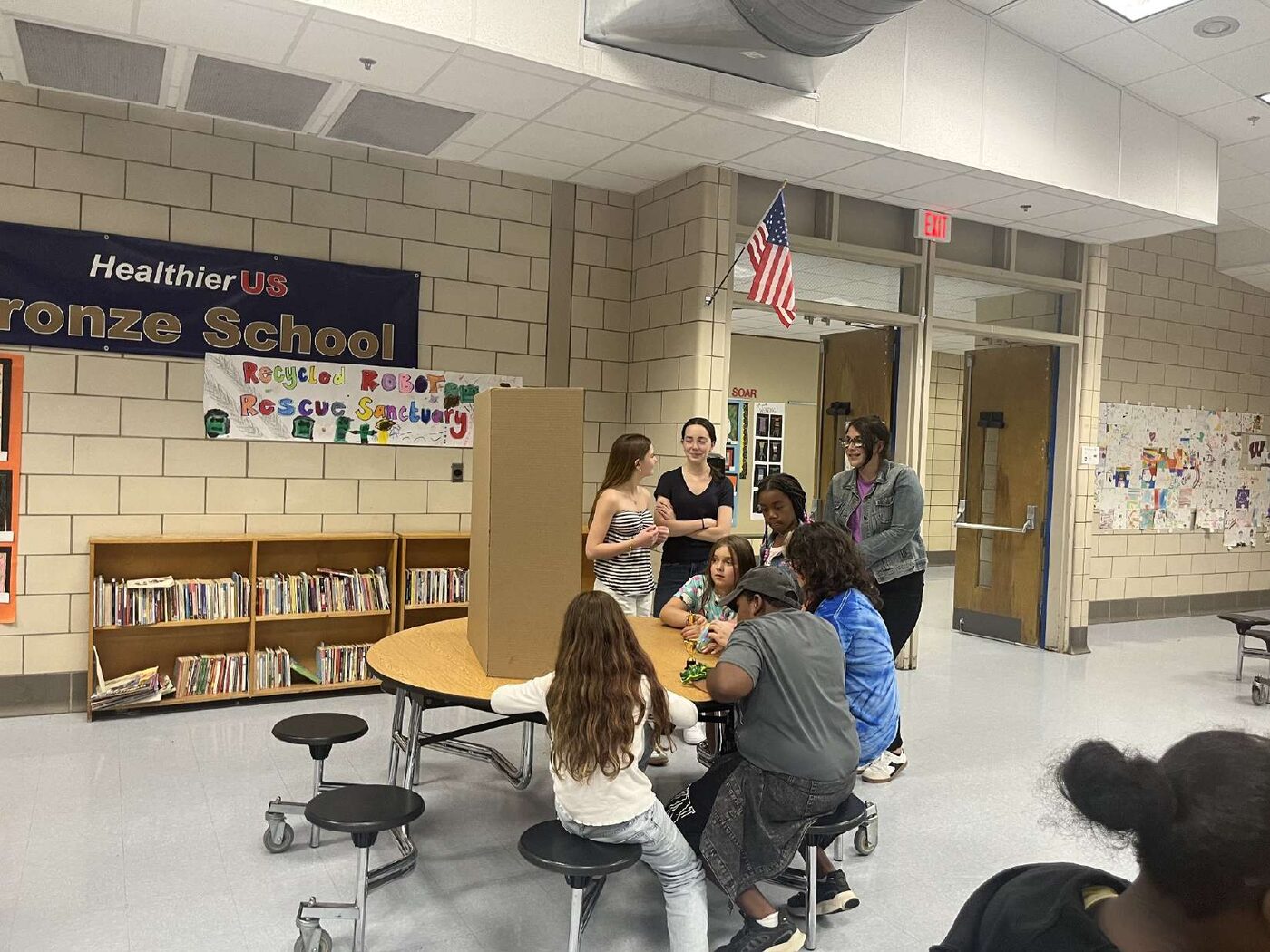
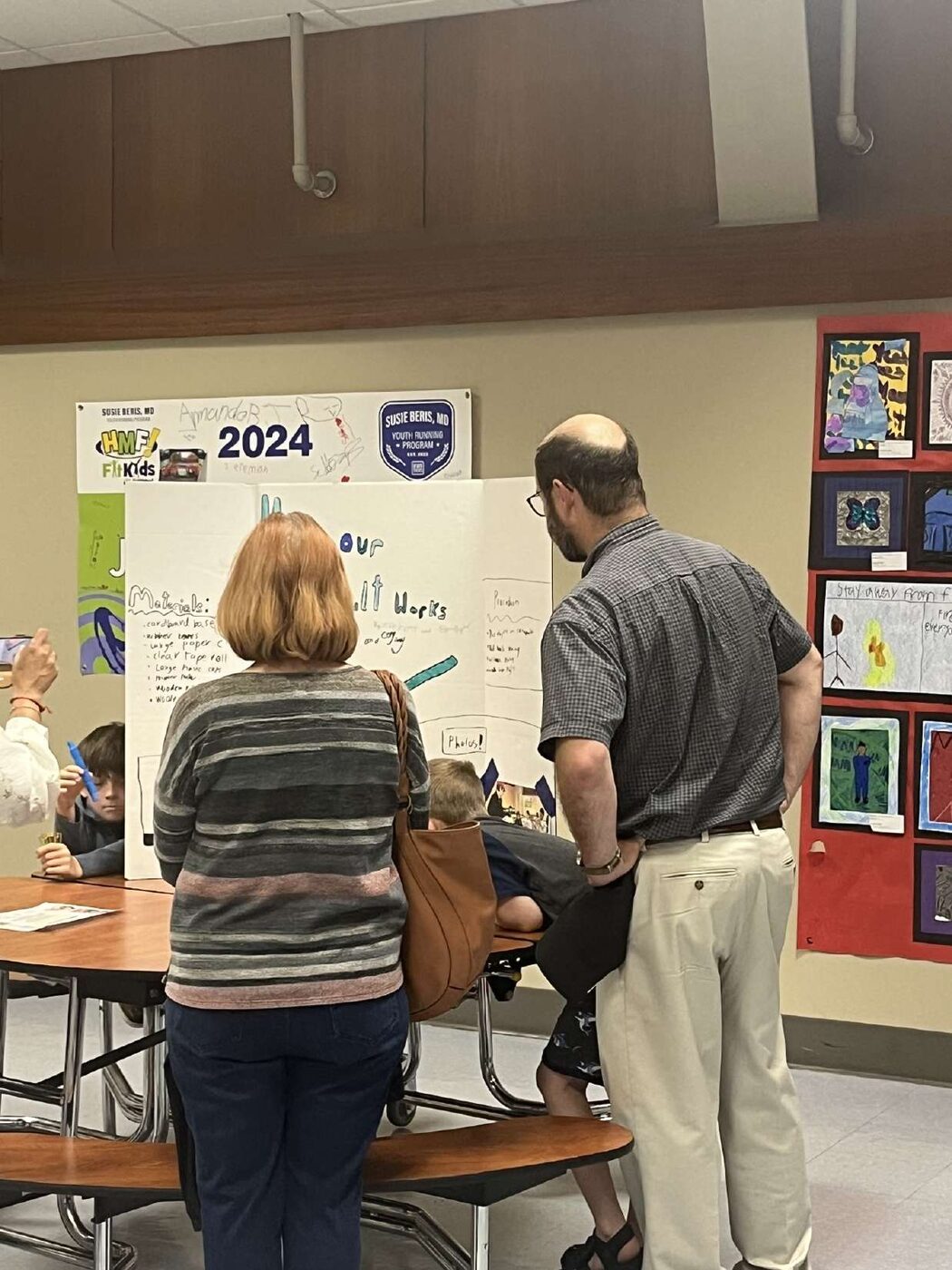
FIST Science Fair I
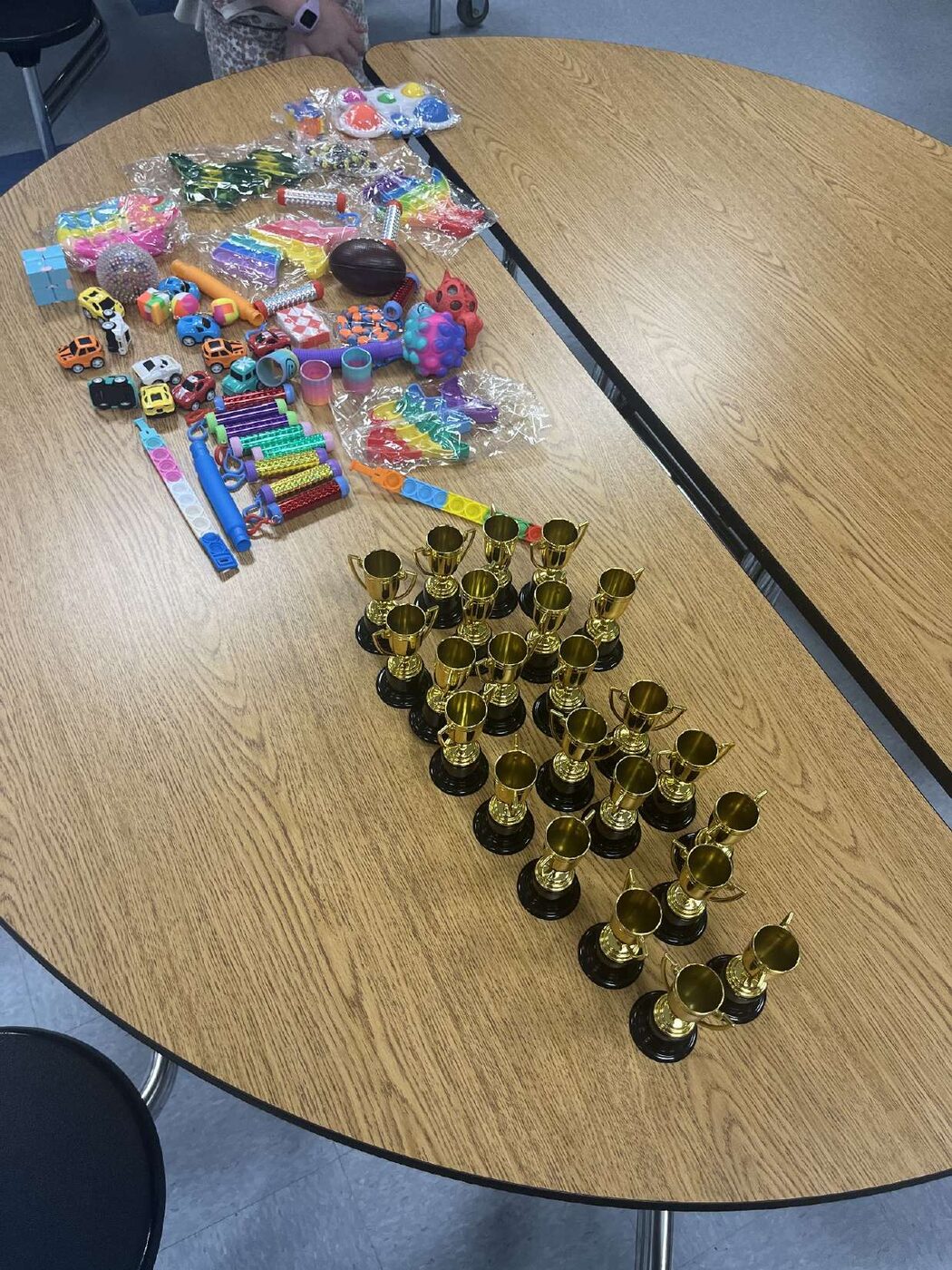
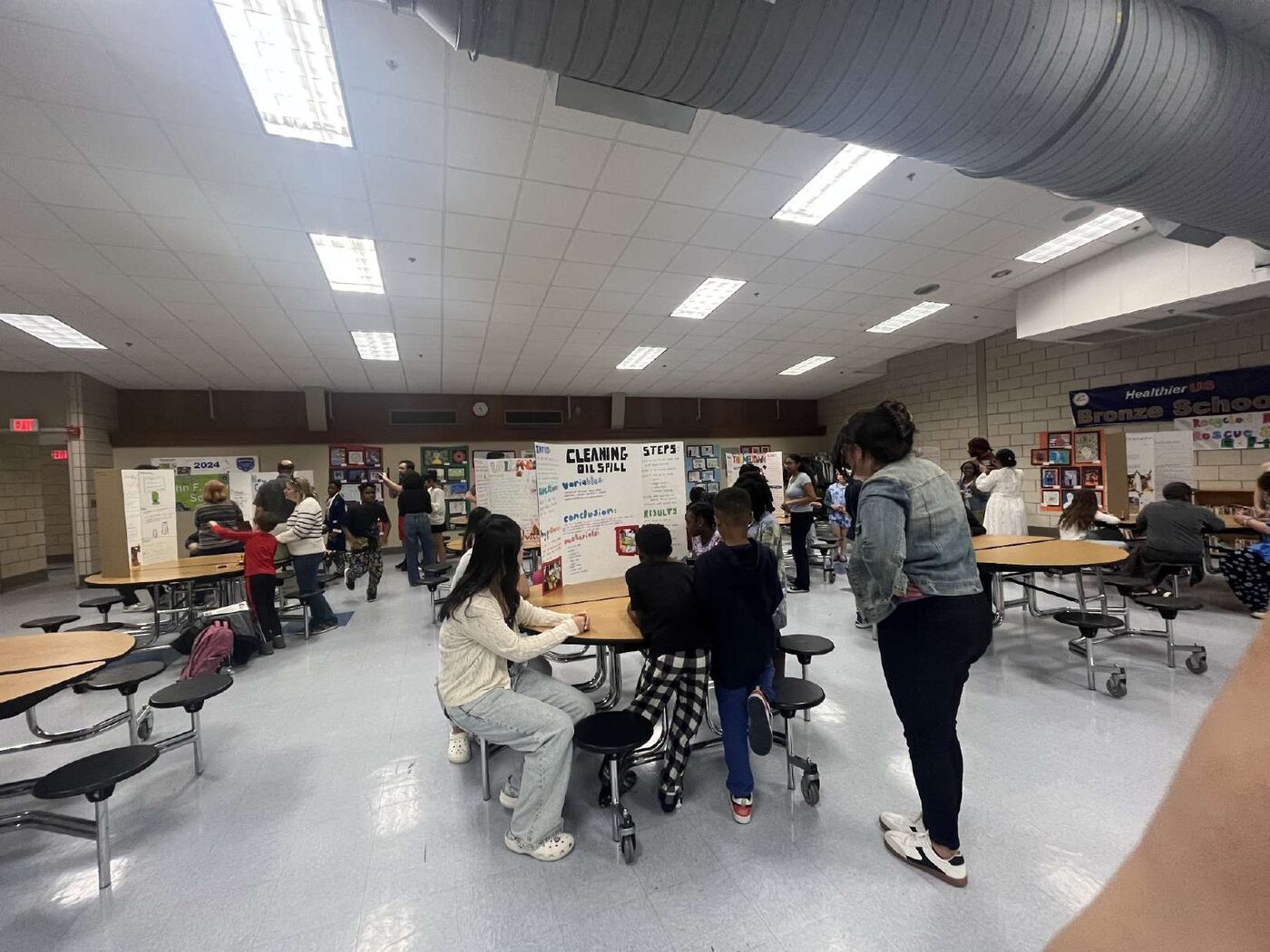
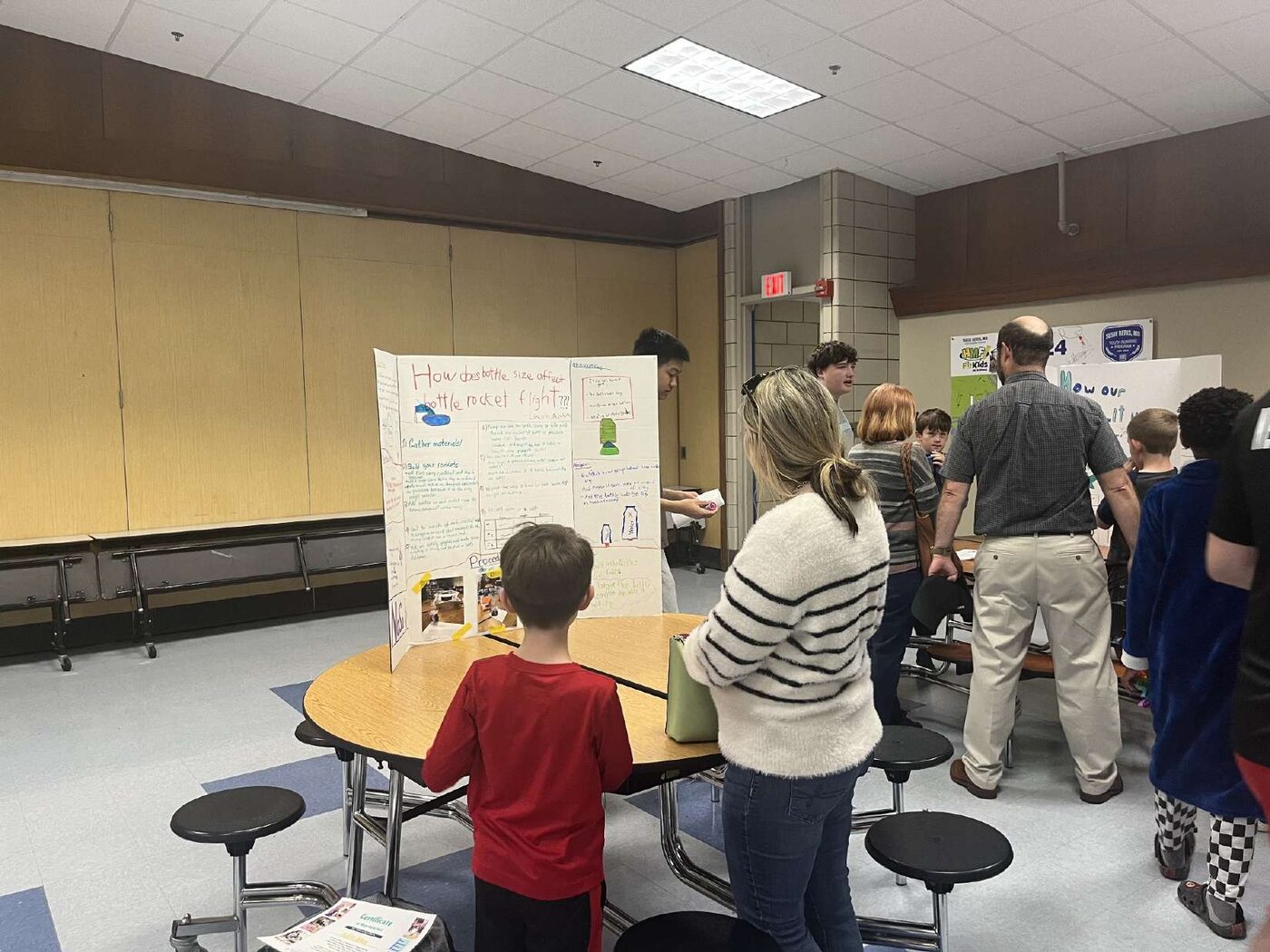
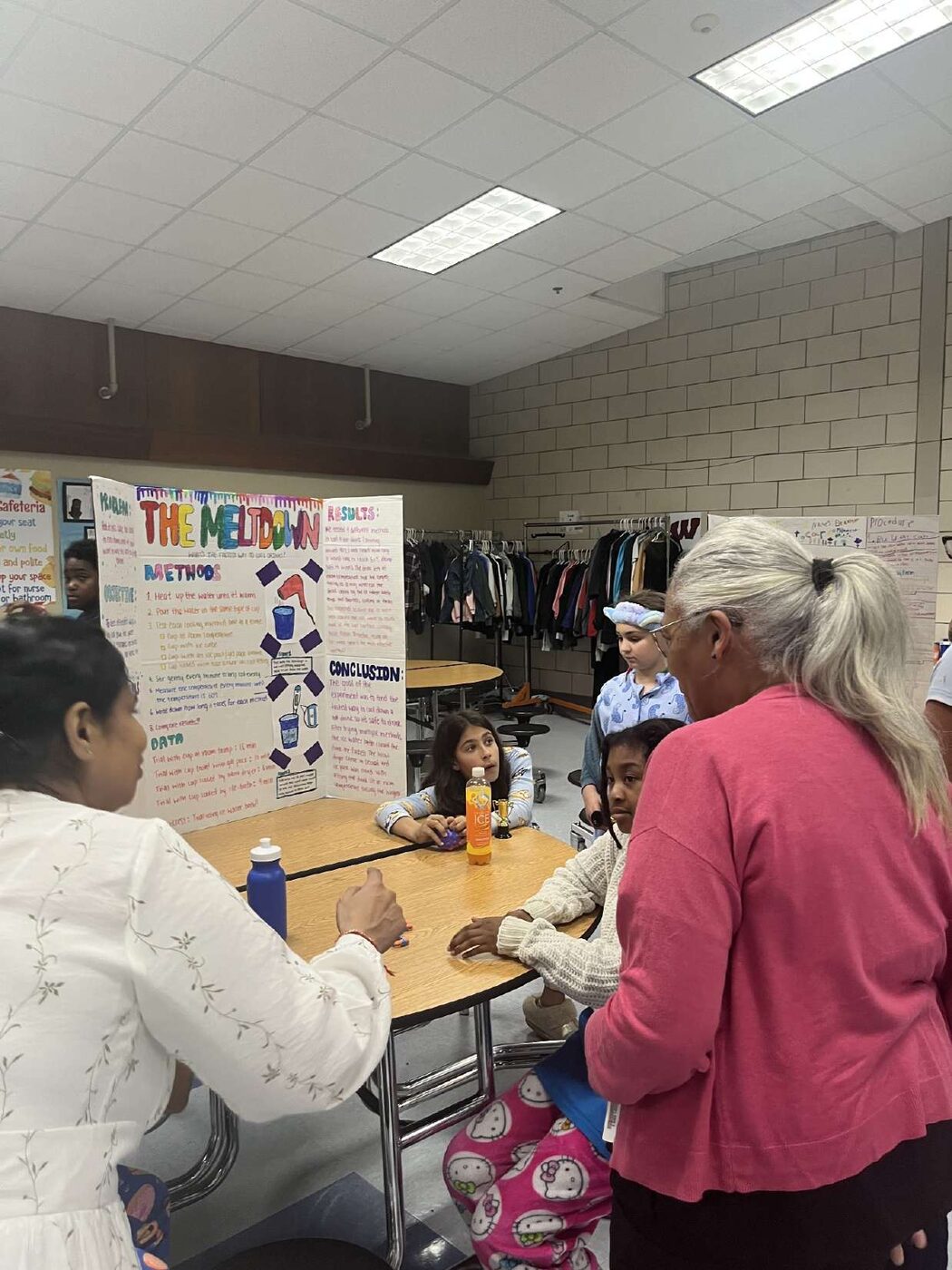
The year ended with our own science poster exhibition on Thursday, May 15, 2025, in the JFK School cafeteria. Students presented the posters they had worked on since January to families, teachers and Loomis mentors, sharing what they found and learning from each other, with trophies and prizes for the young scientists.