Finding Optimal Path for the Elderly Considering the Costs Based on Skyline
Mentor J Kiran Mandhare, Computer Science Faculty, North London Collegiate School Jeju
My earliest research project began with my grandmother after she fell down in the bustling streets of Seoul, trying to follow the navigation application. I realized that the “shortest” route suggested by a navigation app was not necessarily the safest or easiest route for her. Under J Kiran Mandhare, I designed a navigation system for older adults using skyline queries to evaluate routes across multiple costs rather than optimizing distance alone. By considering competing factors that conventional shortest-path algorithms can overlook, the system reframed the “best” route around the needs of the person actually walking it. The project taught me that better engineering does not always mean a more powerful algorithm, making me notice what conventional solutions leave out. I also began to understand that engineering could give mathematical form to needs that are easy to overlook.
Highlights
- Bronze Medal, Korean Science & Engineering Fair (KSEF) International, Jan 2023
- Top 10 Finalist, MetLife Good Health & Wellbeing Challenge, NFTE World Series of Innovation ’22

Abstract
Background
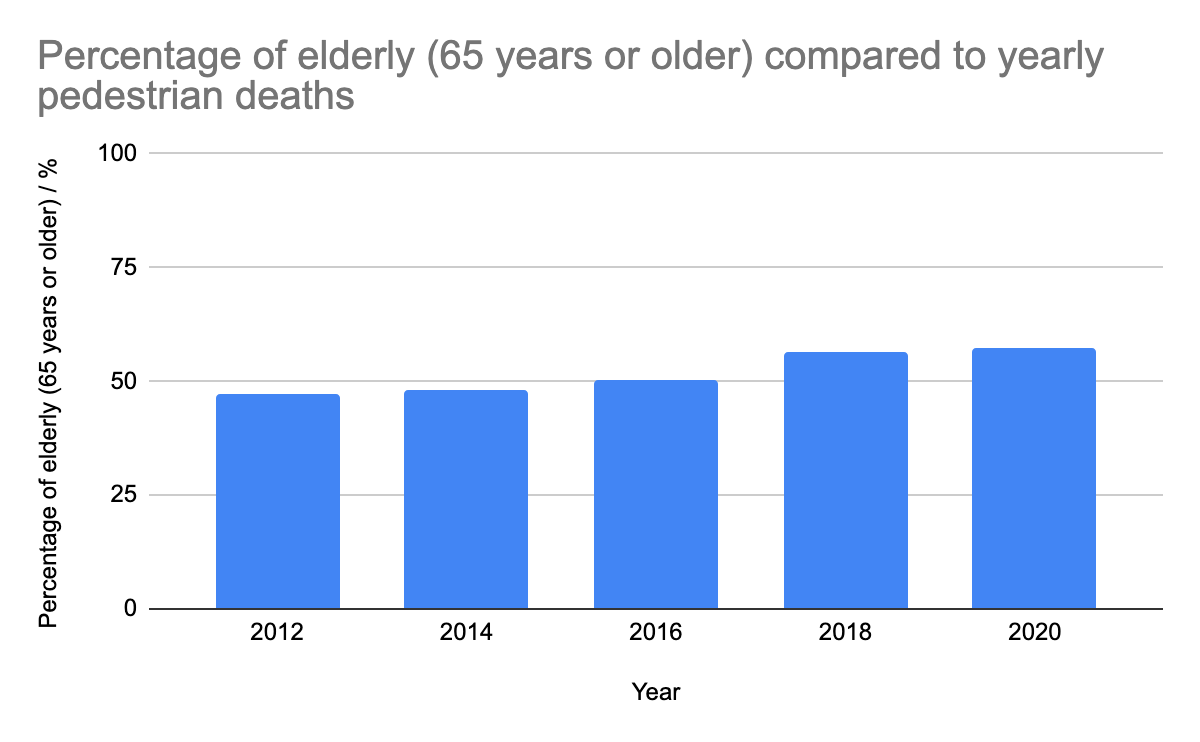
In modern society, navigation systems enable human beings to find the optimal route quickly. Although it has been reported that Korea will be classified as a “super-aged” society by 2025 and it is the country with the highest elderly pedestrian death rate, there is no proper navigation system suited for the elderly. While the majority of navigation systems have decreasing time as their priority, the important thing for seniors is safety.
Methods
In this research, I studied the criteria and the factors that the navigation system should consider for the elderly when finding the safest path and defining score functions based on it. The brute force and greedy algorithms are introduced as solutions for this newly defined score function. By adopting the Skyline Query, the performance and utility of the algorithm are increased.
Results
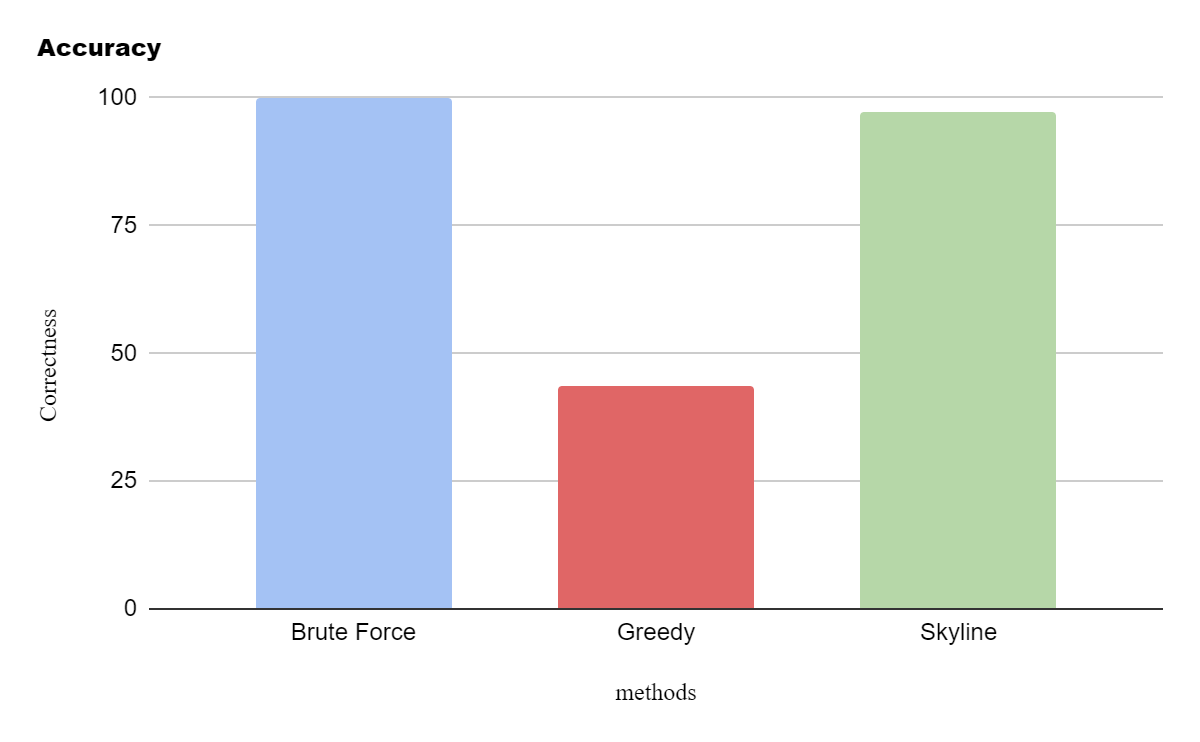
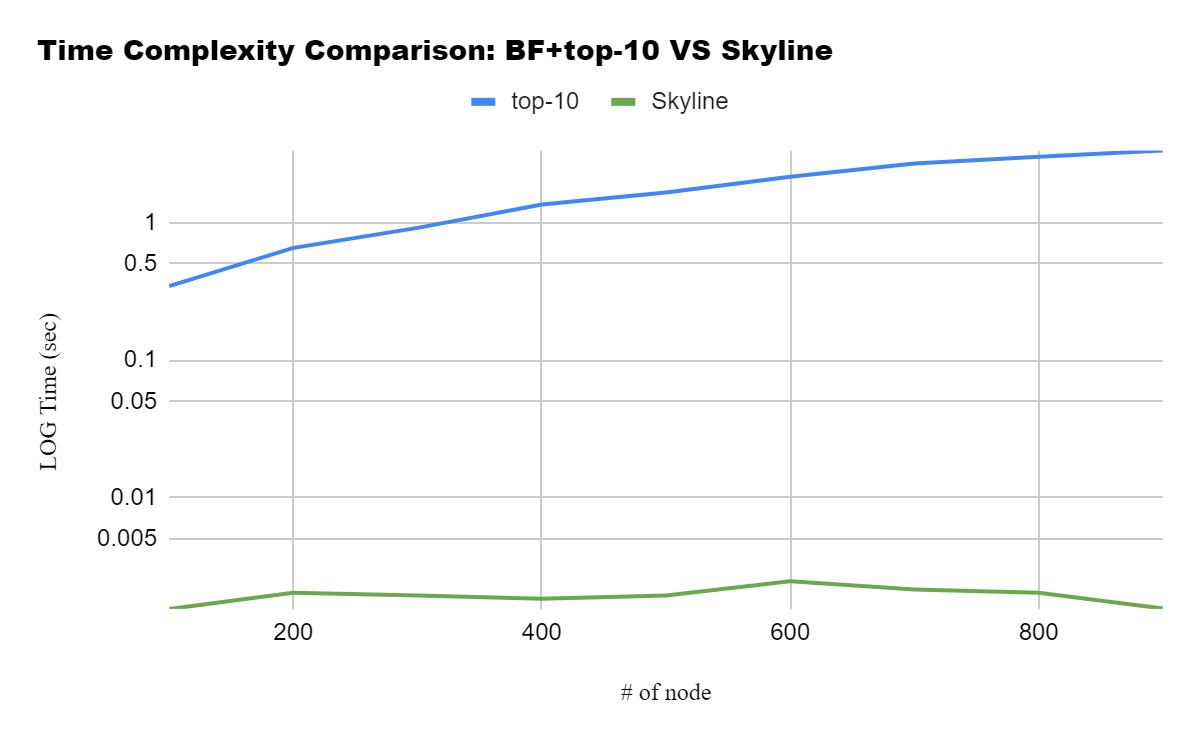
The efficiency of the proposed algorithm is proven by the evaluation conducted on the synthetic dataset compared to the other algorithms implementing the system. Varying several parameters, the proposed system in this paper is proven to be proper to adopt in the real world.
Conclusion
The paper suggests two platform systems as future works based on the pattern recognition and CCH algorithm in data-collecting for more optimal path recommendation.
Presentation
